AZE.US
A proposal under discussion in Azerbaijan’s parliament could extend military service deferments to students enrolled in part-time (distance) university programs.
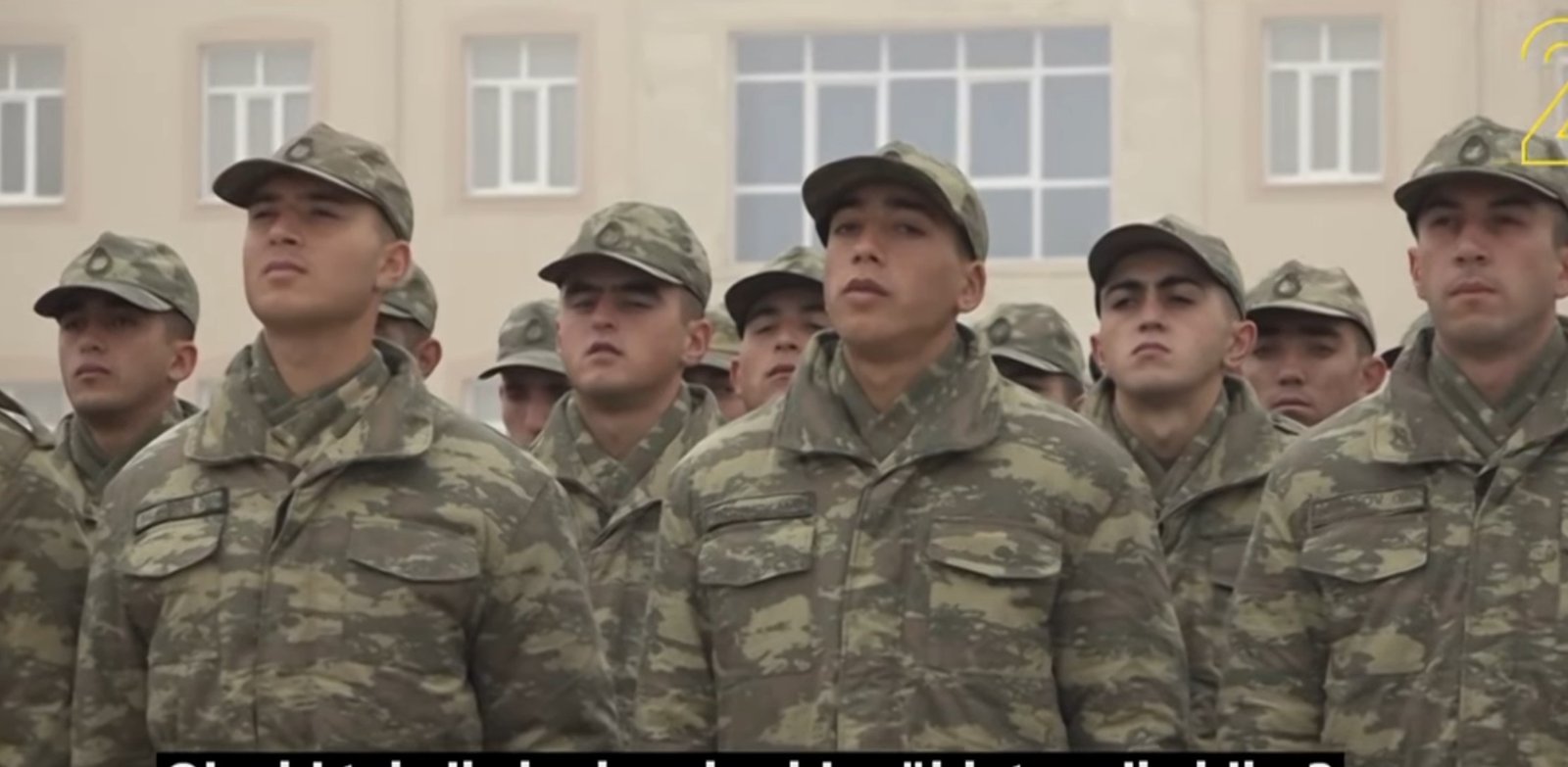
Currently, under the law “On Military Duty and Military Service,” deferments are granted primarily to full-time students. Those studying through part-time or correspondence programs are not eligible for the same protection and may be called up for compulsory military service.
The issue was raised during a session of the Human Rights Committee of the Milli Majlis, where the 2025 annual report of the Human Rights Commissioner (Ombudsperson) was discussed. The report suggests reviewing the existing framework to ensure equal access to education rights, including for students who combine work and study.
Supporters of the initiative argue that part-time students often balance employment with academic responsibilities, attend examination sessions several times a year, and must prepare independently. Denying them deferment, they say, creates unequal conditions compared to full-time students and may disrupt both their education and professional development.
Some lawmakers have described the current distinction as potentially discriminatory. They contend that expanding deferment rights could help preserve educational continuity and improve long-term human capital development.
However, military analysts and critics of the proposal urge caution. They warn that broadening deferment eligibility might incentivize some conscripts to switch to part-time programs primarily to postpone service. From a defense planning perspective, the issue is also linked to maintaining consistent troop levels and safeguarding the army’s future кадровый potential.
In addition, experts note that in many countries the role of part-time higher education has been reduced or restructured, particularly in specialized fields where in-person training is considered essential.
The proposal remains at the discussion stage. Whether amendments to the legislation will be introduced depends on further parliamentary debate. If adopted, the change could affect thousands of young men of conscription age across the country.