AZE.US
Talk of Armenian goods reaching Azerbaijani store shelves has triggered a sensitive public debate in Baku, exposing a split between pragmatic consumers and those who see any such trade as unacceptable.
The discussion followed remarks by Armenia’s economy minister, who said Azerbaijani and Armenian business circles had begun talks on sending products from Armenia to Azerbaijan. He did not specify which goods were under discussion, but the statement alone was enough to stir strong reactions.
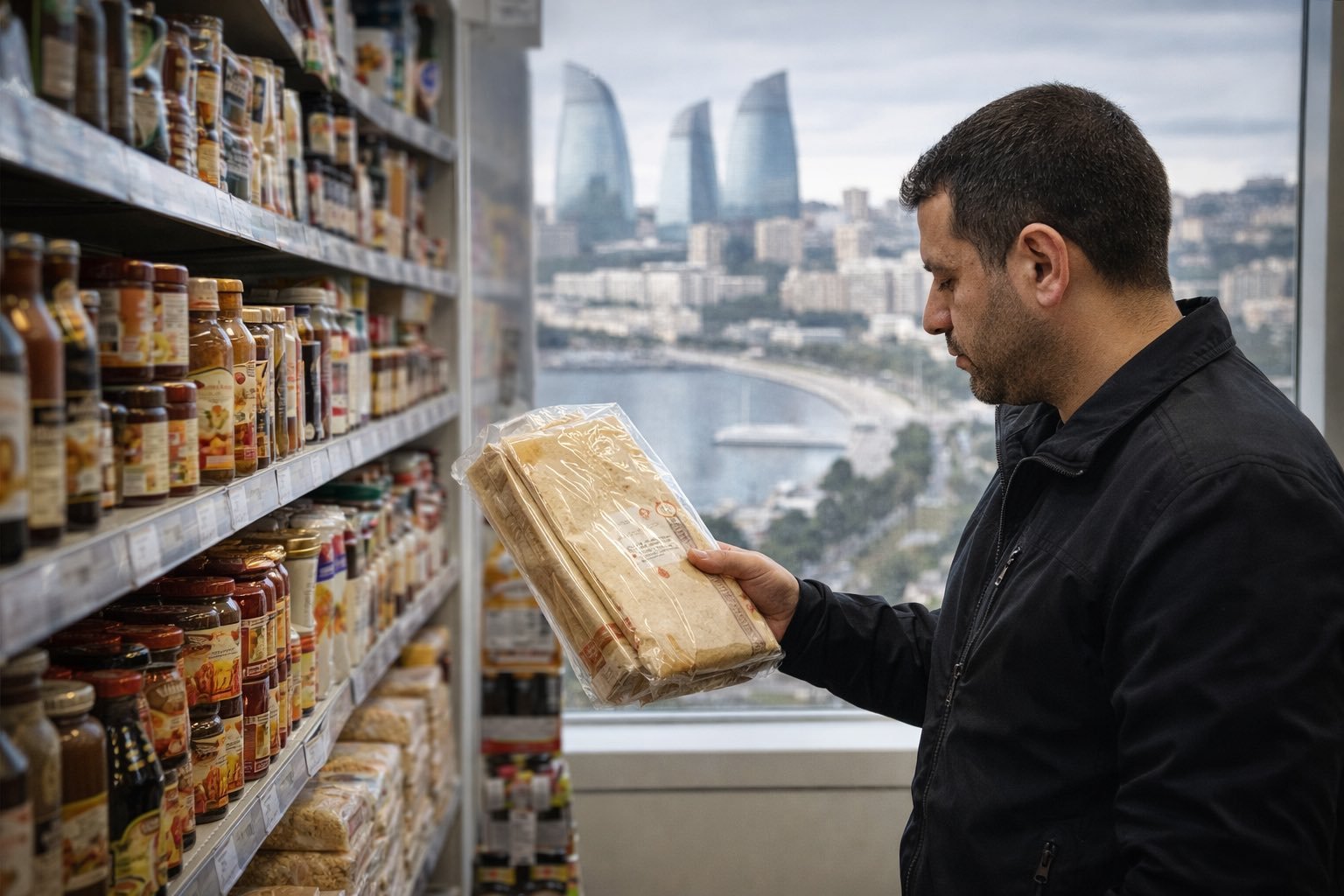
At the center of the debate is a simple but politically loaded question: if Armenian products do enter the Azerbaijani market, will people buy them?
Public reaction appears deeply mixed.
Some consumers say the answer depends on regulation, inspection and safety rather than origin alone. In their view, if goods are officially cleared, tested and allowed into the country, they should be treated like any other legal product on the market.
Others take a far harder line.
For many, the issue goes well beyond commerce. It touches on war, loss, public memory and long-standing distrust. Some respondents said they would refuse to buy Armenian products under any circumstances, arguing that Azerbaijan has enough domestic alternatives and no need to support goods from across the border.
That emotional resistance remains strong, especially among people who connect the question not only to recent decades of conflict but to a much longer historical grievance. In that view, consumer choice cannot be separated from national memory.
Still, another group argues that absolute rejection may not reflect the realities of a modern economy. Even some of those expressing deep personal resentment said practical considerations also matter. If a product poses no risk, passes controls and serves the country’s interests, they argue, the issue may eventually be viewed through a more pragmatic lens.
For now, the debate shows how even a seemingly ordinary trade question can quickly become a broader test of public sentiment in Azerbaijan. What might look like a routine business development on paper remains, in practice, tied to identity, trauma and the unresolved weight of the past.
If trade in Armenian goods does begin, the market may deliver one answer, but public feeling is likely to deliver another.