AZE.US
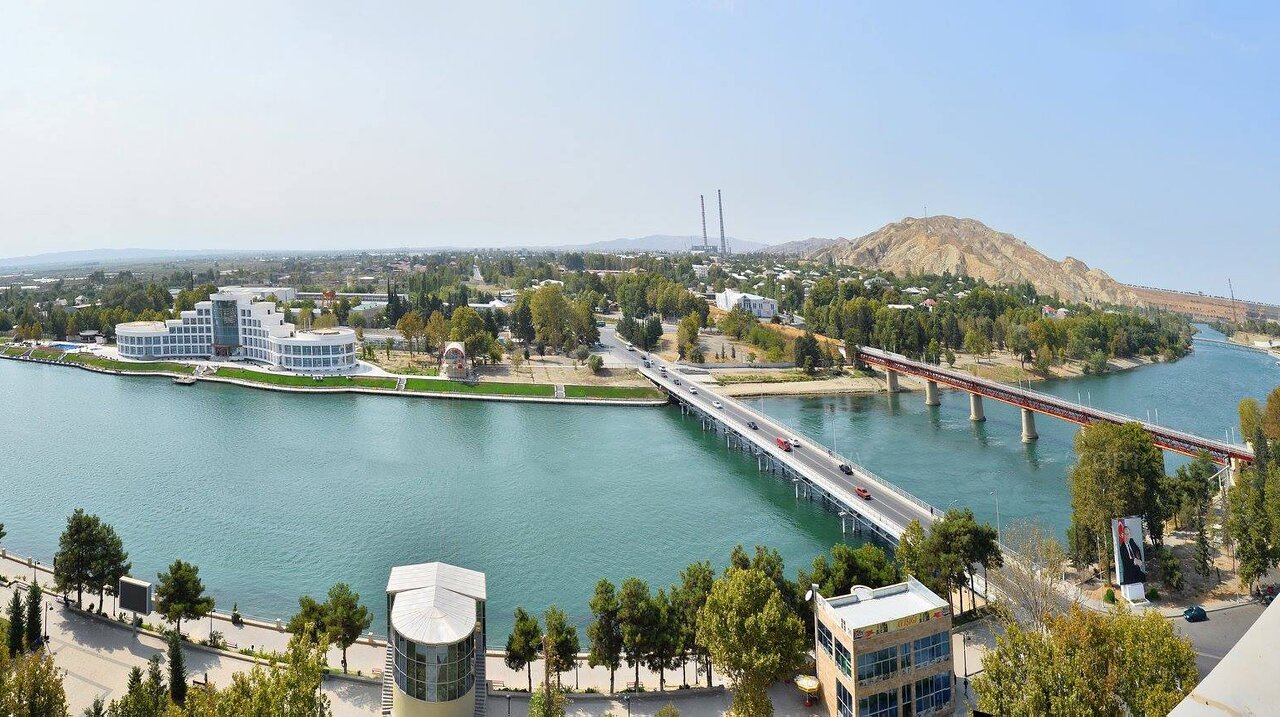
A video showing nearly empty streets in the Azerbaijani city of Mingachevir has turned into something larger than a local social media episode. After a small business owner posted footage complaining about weak customer traffic and saying he had been forced to shut down his venue, he soon appeared in a second video with a sharply different message, apologizing, saying conditions in the city were good and that Mingachevir was developing and improving.
The speed and tone of that reversal drew attention because it looked less like a spontaneous clarification and more like a public retreat. Azerbaijani journalist Sevinc Telmanqizi, commenting on the episode, argued that these kinds of apology-style videos have become a familiar and increasingly cynical pattern: someone voices an uncomfortable truth, then a follow-up video appears to soften, dilute, or reverse the original message.
What makes the incident notable is how minor the original complaint was. This was not an overtly political speech or a direct attack on the authorities.
It was a mundane, personal video about empty streets, weak demand, and the struggles of a small business. Yet even that appeared to trigger enough backlash to produce a corrective response praising the city’s cleanliness, greenery, and development.
That is why the story resonates beyond Mingachevir. To critics, it suggests that even harmless TikTok-style observations about daily life can provoke anger and a counterreaction if they cut against the preferred public narrative. In that sense, the issue is not only economic frustration in one regional city. It is also about the shrinking space for ordinary people to describe reality as they see it without feeling pressure to recant.
The broader implication is uncomfortable. If a simple video about empty streets can lead to a visible walk-back, the message to others is clear: even non-political speech may carry risk if it reflects decline, stagnation, or public dissatisfaction. Critics say that kind of response does not solve regional problems. It only makes public expression more cautious and less honest.
AZE.US