AZE.US
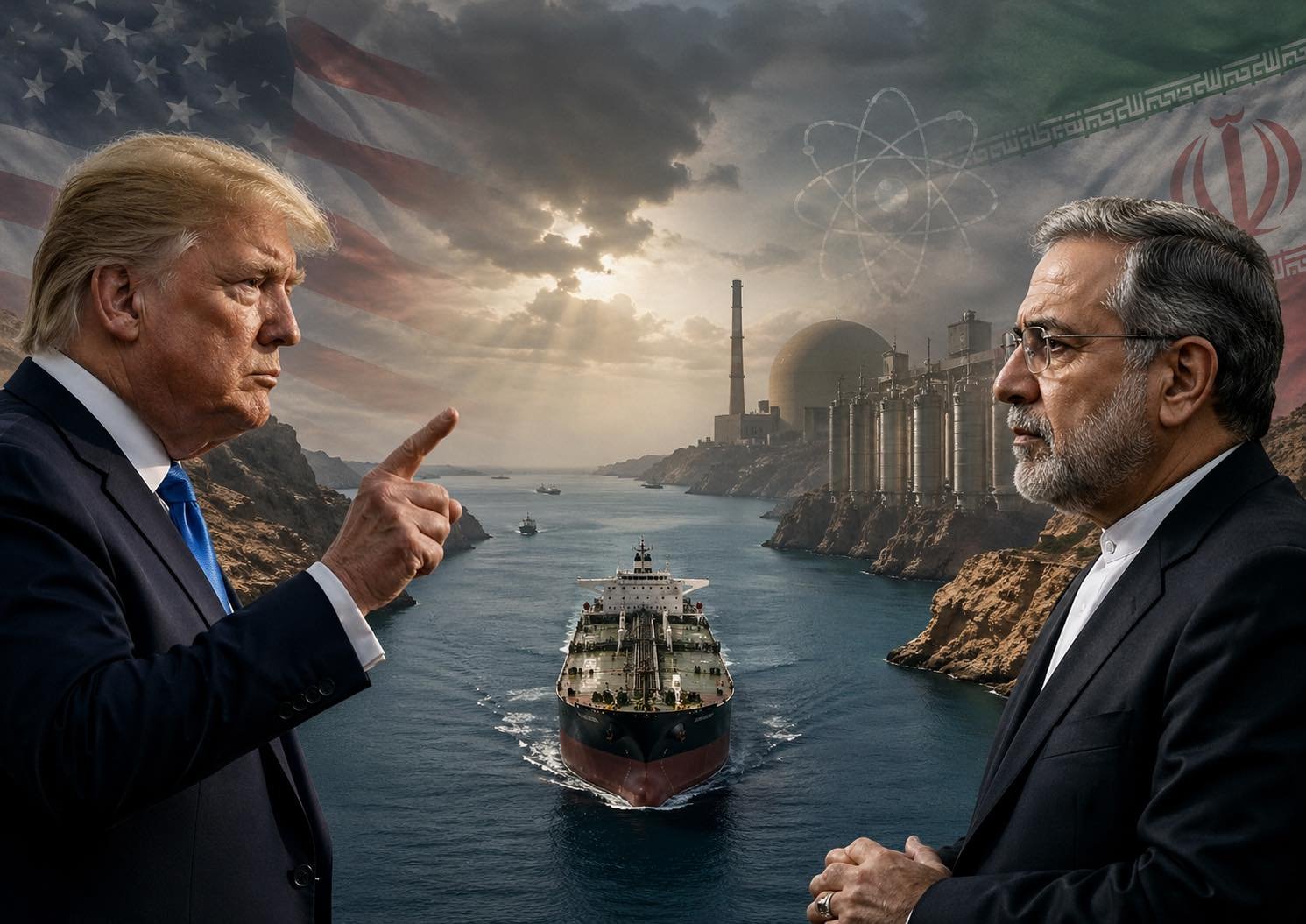
Iran has offered to reopen the Strait of Hormuz, one of the world’s most important energy corridors, but the proposal has run into a familiar obstacle: U.S. President Donald Trump wants nuclear concessions first.
The latest Iranian proposal, relayed through mediators, would separate the Hormuz issue from Tehran’s nuclear program. Under the plan, Iran would reopen the strait if the United States lifts its blockade and the war ends, while nuclear talks would be pushed to a later stage. The Associated Press reported that the proposal was passed through Pakistan and comes as Tehran tries to ease the economic and diplomatic pressure created by the standoff.
The White House has not accepted the idea. Reuters reported that Trump reviewed the Iranian proposal with his national security team on Monday, but a U.S. official later said the president was unhappy because the offer did not include immediate discussion of Iran’s nuclear program.
That leaves the two sides stuck in a hard bargain. Iran wants to treat Hormuz as the urgent file and postpone the nuclear question. Washington wants both issues handled together, arguing that free navigation through the strait cannot be separated from guarantees that Iran will not advance toward a nuclear weapon.
The Strait of Hormuz is not just a regional waterway. Roughly a fifth of global oil and gas trade normally passes through the narrow route between Iran and Oman, making any disruption there a direct threat to energy prices, shipping routes and global supply chains. AP reported that the crisis has already contributed to higher oil, gas and basic goods prices, while increasing international pressure for the waterway to reopen.
Al Jazeera reported that Iran is seeking broader support for its position, with Foreign Minister Abbas Araghchi engaging regional and international players, including Pakistan, Oman and Russia. Tehran’s message is that Hormuz can be reopened through diplomacy, but not on terms that force Iran to immediately surrender leverage on the nuclear file.
For Trump, however, the issue is about more than shipping. His administration has repeatedly said Iran must not obtain nuclear weapons and must address its enriched uranium stockpile. Reuters reported earlier that Trump had made free oil transit through Hormuz and the surrender of enriched uranium key U.S. demands.
The standoff now turns on sequencing. If Washington insists on nuclear concessions first, Tehran may refuse to reopen Hormuz without broader guarantees. If the United States accepts a narrow Hormuz-first deal, it risks giving Iran a major diplomatic win while leaving the nuclear question unresolved.
For global markets, even a partial reopening of the strait would ease pressure. But politically, the crisis has become a test of who controls the terms of de-escalation: Tehran, by using Hormuz as leverage, or Washington, by tying the waterway to Iran’s nuclear program.
AZE.US