Aze.US
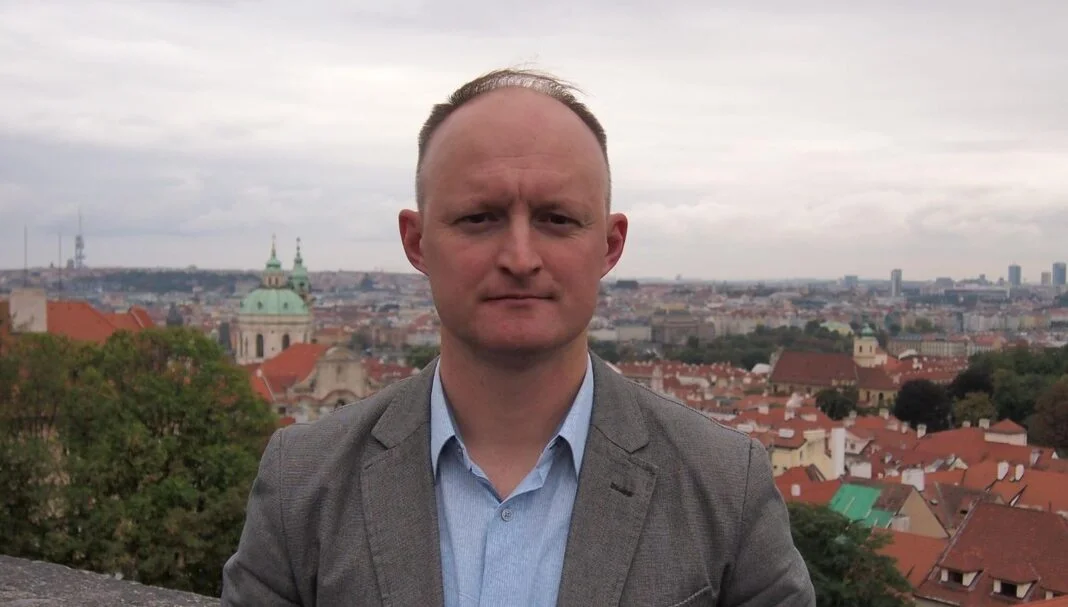
The legal cases against former figures of the self-proclaimed Karabakh administration are gradually turning into elements of the political negotiation track between Azerbaijan and Armenia, political analyst Volodymyr Kopchak said in comments to a regional broadcast.
According to him, a key issue for Armenia’s domestic politics is that Ruben Vardanyan remains imprisoned in Azerbaijan rather than Armenia. This creates pressure on Prime Minister Nikol Pashinyan’s government: while Yerevan is expected to seek his return as an Armenian citizen, his potential political role inside Armenia remains unclear.
Kopchak also argued that several former leaders associated with the Karabakh conflict have avoided accountability largely due to Moscow’s protection, calling this one of the hidden constraints affecting the peace process.
Discussing life sentences handed down in related cases, the analyst suggested some rulings may have been shaped with future political scenarios in mind, including the possibility of negotiated exchanges. At the same time, he stressed that each legal case is individual and that strong public emotions in Azerbaijan are rooted in wartime losses.
Turning to Armenia’s internal politics, Kopchak said the decision to hold parliamentary elections in June and postpone a constitutional referendum reflects Pashinyan’s strategy to secure political control first and only then advance sensitive constitutional changes linked to a peace settlement with Azerbaijan.
He also described the recent visit of Armenian parliament speaker Alen Simonyan to Moscow as sending mixed signals. While Russia warned Yerevan against changing its foreign-policy orientation, Armenian officials insisted they seek balance and do not intend to align fully with any geopolitical bloc.
In Kopchak’s assessment, Moscow’s real capacity to derail the peace process is limited. In Armenia’s pre-election environment, he said, only a forceful attempt to change power could significantly alter the trajectory, yet current signs suggest state institutions remain aligned with the existing leadership.
Looking at the wider region, the analyst pointed to a cooling tone in U.S.-Georgia relations. Despite Tbilisi’s efforts to emphasize political closeness to Washington, he argued that Georgia is not currently viewed as a strategic priority by the United States.