AZE.US
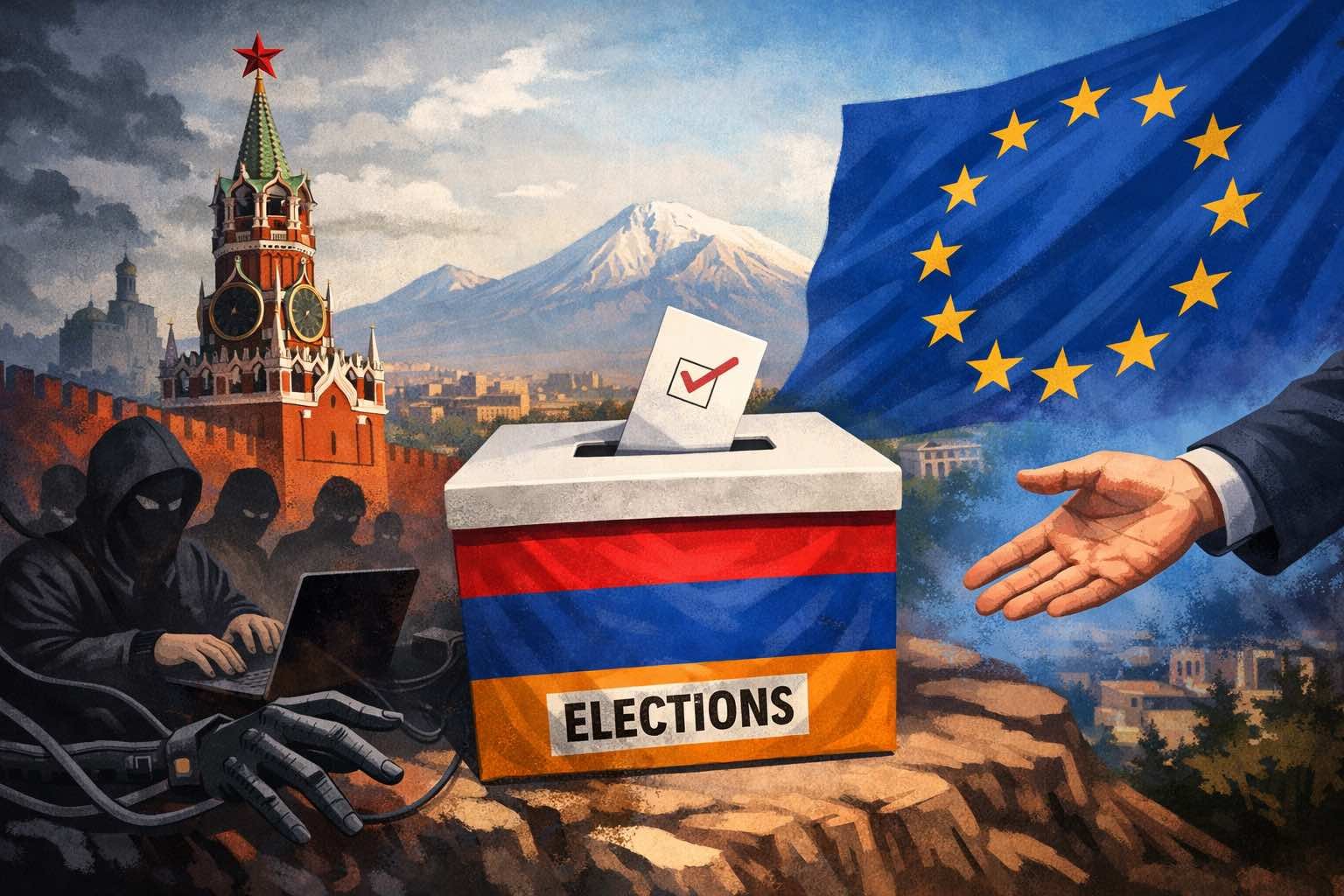
Armenia has formally asked the European Union for assistance in protecting its upcoming parliamentary elections from potential external interference, citing concerns over disinformation and cyber threats.
The request comes ahead of the June 2026 vote. Armenian Foreign Minister Ararat Mirzoyan sent a letter to Brussels seeking the deployment of a rapid hybrid response team aimed at countering possible cyberattacks, coordinated online disinformation campaigns and other forms of digital disruption.
Armenian officials have not publicly detailed specific incidents but have framed the move as a preventive measure. The focus, according to regional analysts, is on mitigating risks that could originate from Russia – a country that has traditionally viewed Armenia as part of its sphere of influence.
The proposed mechanism resembles a model previously implemented by the EU in Moldova, where a group of experts monitored online platforms, identified coordinated disinformation networks and provided operational recommendations to state institutions.
European officials are reportedly considering allocating approximately €15 million for the mission. A decision is expected in March, with deployment in Yerevan potentially taking place before a planned summit in early May.
The initiative marks one of the clearest public signals yet of Armenia’s strategic recalibration toward Brussels. By openly seeking EU support in safeguarding its electoral process, Yerevan appears to be expanding its security cooperation framework beyond traditional regional alignments.
Analysts note that the concept of “interference” can range from state-level cyber operations to influence campaigns conducted through political actors or digital networks. At the same time, Armenia retains a domestic constituency with pro-Russian sympathies, adding further complexity to the political landscape.
The development also carries regional implications. Observers say the conduct and perceived legitimacy of Armenia’s elections could influence broader political dynamics in the South Caucasus, including ongoing diplomatic processes in the region.
While it remains unclear how Moscow may respond, Armenia’s request to the EU underscores a growing emphasis on digital resilience and external partnerships in safeguarding national electoral infrastructure.