AZE.US
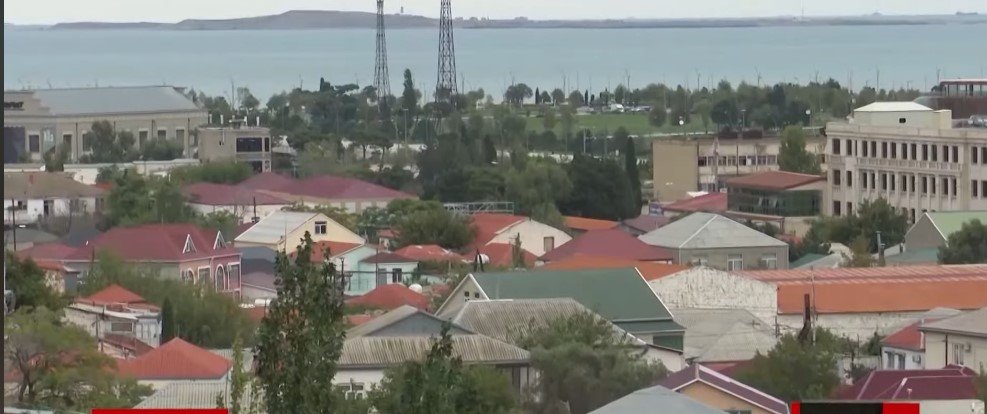
An estimated 400,000 to 500,000 individual residential houses in Azerbaijan are either undocumented or cannot be legally registered, according to unofficial data. Against this backdrop, questions surrounding the legal requirements for private home construction remain highly relevant.
Many citizens are unclear about what procedures must be followed before starting construction and whether special permits are required.
According to a report by Baku TV, individual residential houses up to 12 meters in height do not require a separate construction permit. However, the project must comply with established urban planning and building regulations.
The process begins with the landowner applying to a licensed architectural or design company and submitting official land ownership documents. The company prepares a draft design in accordance with construction norms.
The project is then submitted for approval to the local executive authority and relevant architectural bodies. If no objections are raised within two weeks – or after required corrections are made – the homeowner is entitled to begin construction.
Under current legislation, once the right to start construction is established, information about the project must be published within three working days on the official state construction registry website.
A key requirement is that the land plot must have a valid ownership certificate and be designated for individual residential construction. Buildings constructed on undocumented land plots are not connected to electricity, gas, water, or heating networks.
Developers must also comply with construction density regulations. For private homes with adjacent land plots, the land coverage ratio must not exceed 0.4, while the overall building density coefficient must not exceed 0.6.
In practical terms, this means that on a 200-square-meter plot (approximately 2 sotkas), the building footprint cannot exceed 80 square meters, and the total floor area cannot exceed 120 square meters.
What This Means
The scale of undocumented housing highlights broader structural challenges in Azerbaijan’s urban planning system. Rapid suburban expansion, informal land sales, and gaps in regulatory enforcement have contributed to the proliferation of unregistered properties.
For homeowners, failure to comply with legal requirements can result in serious consequences, including denial of utility connections, difficulties in property registration, and potential legal disputes. For the state, the issue complicates infrastructure planning, tax collection, and long-term urban development strategies.
As authorities continue efforts to formalize housing and strengthen oversight, legal compliance at the construction stage remains a critical factor in preventing future disputes and ensuring sustainable urban growth.