Aze.US
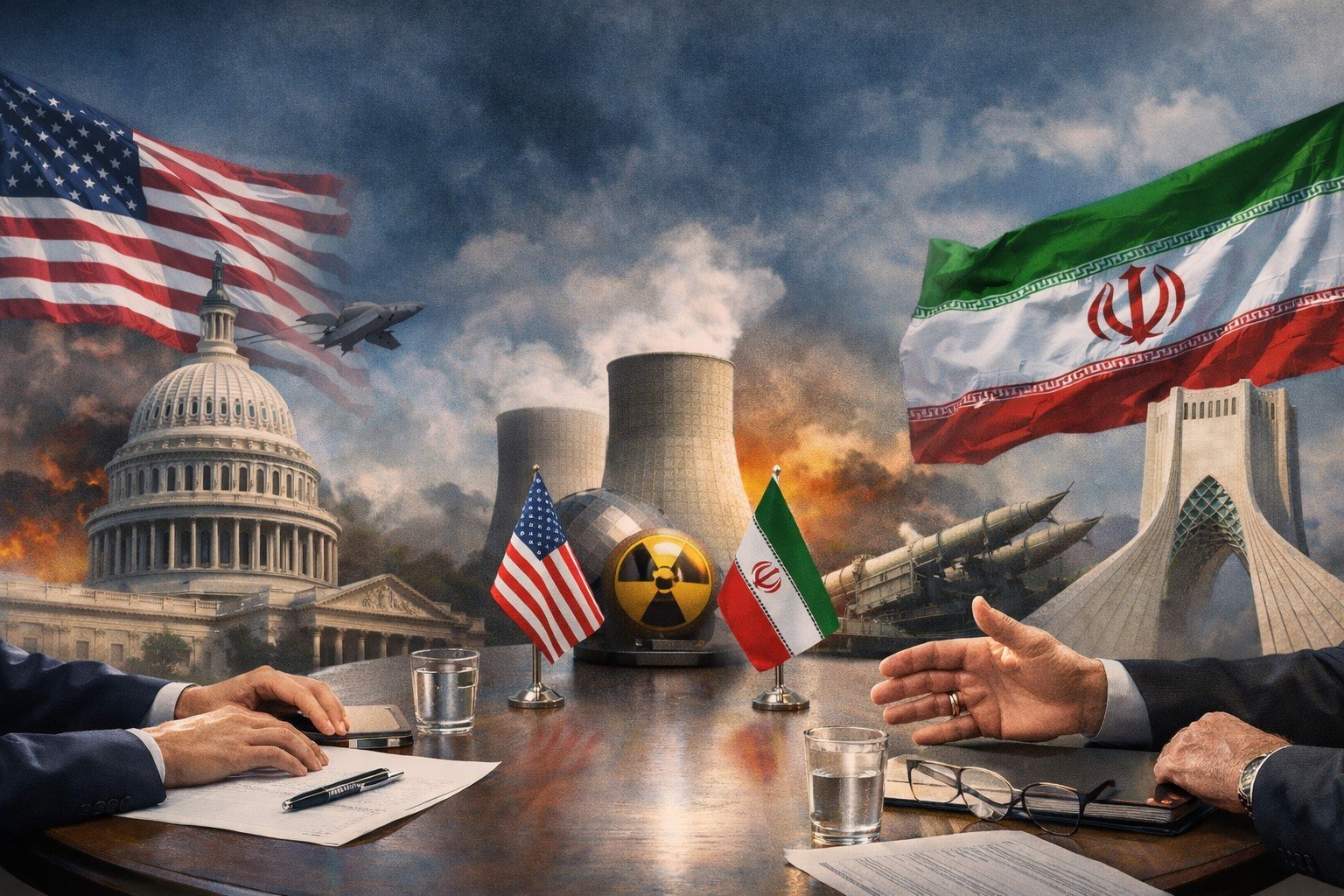
The latest round of nuclear-related discussions between the United States and Iran is drawing close international attention, with analysts assessing whether renewed diplomacy can reduce confrontation in the Middle East.
While both sides have described elements of the dialogue as constructive, deep disagreements persist over sanctions relief, nuclear limits, and regional security guarantees.
The talks therefore unfold in a fragile environment shaped by mistrust and competing strategic priorities.
Iranian officials say the negotiations should proceed on the basis of equality and mutual benefit, emphasizing the removal of sanctions and recognition of national rights. From Tehran’s perspective, sustained dialogue – supported by regional partners – offers the most realistic path toward a balanced and lasting outcome.
At the same time, security concerns continue to influence the diplomatic landscape. Israel has repeatedly warned it could consider military options if it judges Iran to be crossing critical red lines tied to missile or nuclear capabilities, underscoring the high stakes surrounding the process.
Despite these pressures, many observers argue that diplomacy remains the only viable mechanism for preventing further escalation. Progress in negotiations could ease regional tensions, reopen channels of economic interaction, and reshape the broader geopolitical balance.
Whether the current round produces tangible results or merely stabilizes the status quo, its trajectory is likely to play a defining role in the Middle East’s near-term security environment.