AZE.US
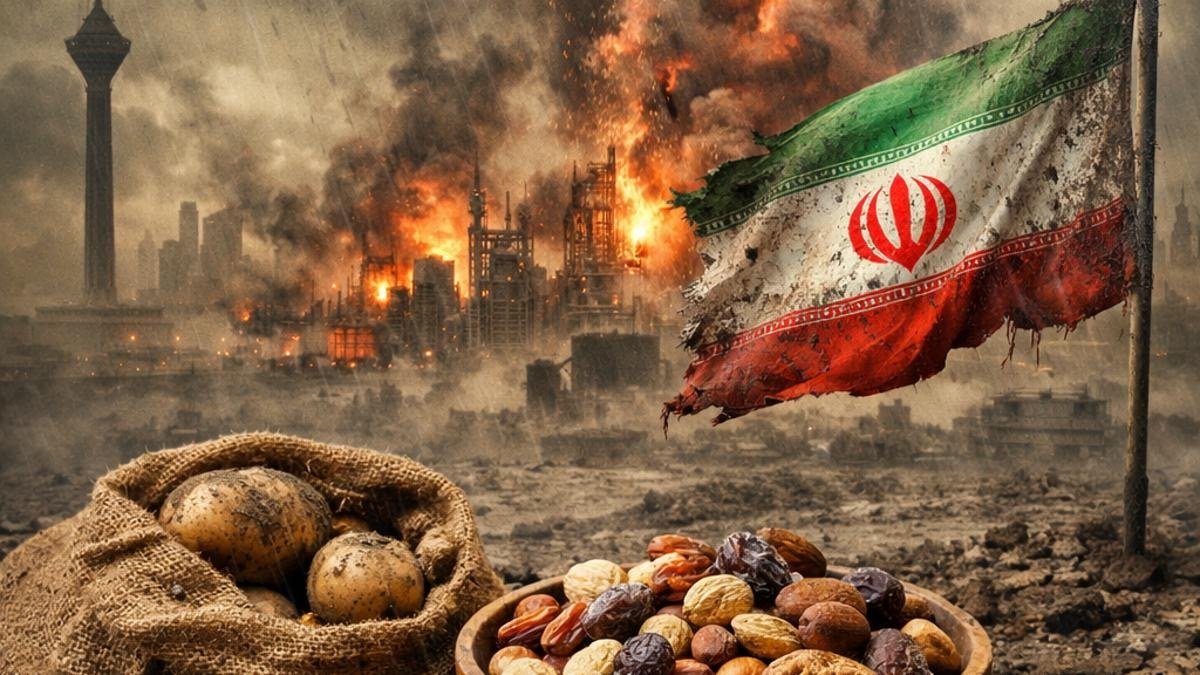
Reports of unusual dark rainfall and pollution following fires at oil facilities near Tehran have sparked questions among consumers in the region: are agricultural products from Iran – including vegetables, fruits, nuts and dried fruits – still safe to consume?
The discussion began after videos and social media posts claimed that black or chemically contaminated rain fell in parts of the Iranian capital following industrial fires and attacks on energy infrastructure. Some observers speculated that pollutants released into the atmosphere could eventually affect soil, water sources, and agricultural areas.
While such claims have circulated widely online, experts caution that there is currently no verified evidence that Iranian agricultural exports have been contaminated.
How pollution could theoretically affect agriculture
Environmental specialists note that large industrial fires – particularly those involving oil or petrochemical facilities – can release soot, hydrocarbons and other pollutants into the air. Under certain conditions, these particles can mix with rain and fall back to the ground.
However, scientists say several conditions would have to occur before this could affect food production:
-
the pollution would need to reach agricultural regions;
-
contamination levels would have to be significant;
-
pollutants would have to penetrate soil or irrigation systems used for crops.
Without laboratory testing, it is impossible to determine whether any contamination has occurred.
Import controls and food safety
Agricultural products imported into Azerbaijan are subject to veterinary and phytosanitary inspections. Authorities typically check documentation, origin, and – when necessary – conduct laboratory tests to ensure that food products meet safety standards.
These controls apply to a wide range of imported goods, including:
-
vegetables and herbs
-
fruits
-
nuts
-
dried fruits
-
other agricultural commodities.
If products fail to meet safety requirements, shipments can be rejected or destroyed.
Experts urge caution against speculation
Food safety specialists warn that conclusions about product safety should not be based solely on social media reports. Environmental incidents, even large ones, do not automatically lead to widespread contamination of agricultural products.
At the same time, experts emphasize that industrial accidents and large fires should always be monitored carefully for potential environmental impacts, especially in regions where agriculture plays a significant economic role.
For consumers, the basic advice remains unchanged: buy food from reliable retailers, wash fruits and vegetables thoroughly before consumption, and rely on official safety checks rather than unverified claims circulating online.