Aze.US
A recent, modest decline in beef and lamb prices in Azerbaijan has done little to reverse a broader consumer trend: households are increasingly turning to cheaper protein sources, particularly chicken, as income pressures continue to shape food choices.
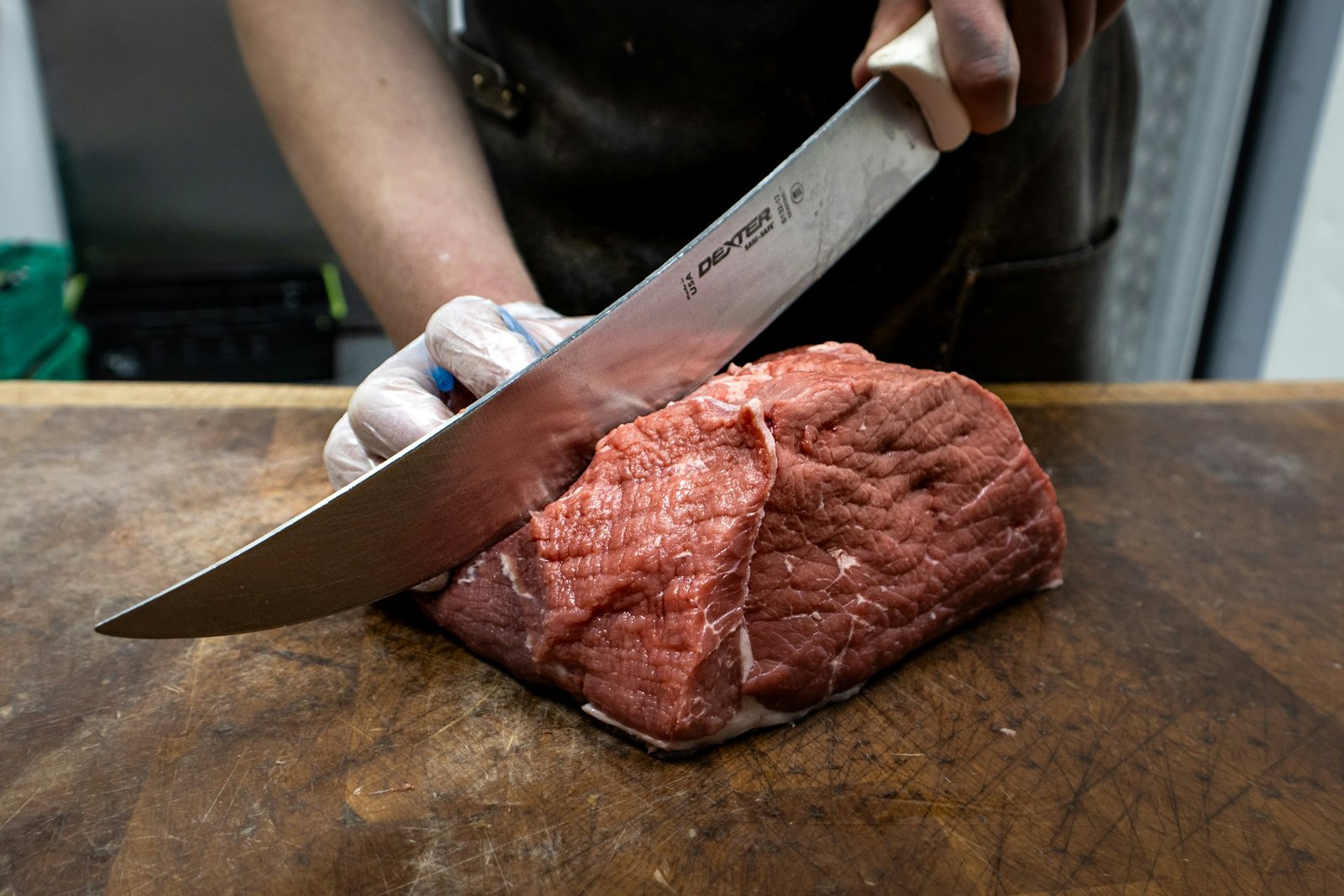
Market vendors report that beef prices have fallen from roughly 17.5 to 17 manats per kilogram, while lamb has eased from about 21 to 20 manats. The decline, observed over the past month to six weeks, is largely attributed to seasonal increases in supply combined with subdued demand.
Yet the temporary relief has not restored previous purchasing patterns.
Income Levels Driving Dietary Change
Economists say the growing dominance of poultry in everyday consumption reflects household income constraints rather than shifting taste preferences.
According to Rasmiya Abdullayeva, a professor at the Institute of Economics under Azerbaijan’s Ministry of Science and Education, chicken remains the most accessible meat product due to industrial-scale domestic production, lower storage costs, and stable market availability.
Other poultry types-such as duck, goose, and turkey-are produced in smaller volumes and require higher maintenance and logistics costs, making them significantly more expensive and less attainable for many families.
As a result, even when red-meat prices soften, budget limitations continue to narrow real consumer choice.
Food Spending Still Dominates Household Budgets
Household expenditure data reinforce this pattern. In 2024, 43.5% of total household spending in Azerbaijan went to food, a share far above the 10–15% typical in high-income economies.
The gap highlights a structural reality: for many families, small price movements in staple foods translate directly into changes in diet.
Demand Shifts Confirmed in Retail Trends
Retail data also indicate changing consumption behavior. In 2025, total meat sales increased by nearly 45%, exceeding 188 million manats, yet a growing share of purchases shifted toward poultry rather than beef.
Vendors describe declining purchasing power in practical terms: where two cattle carcasses might previously have sold, now only one finds a buyer-while demand for cheaper chicken continues to rise.
Seasonal Price Relief May Be Short-Lived
Analysts caution that the recent easing in red-meat prices is likely seasonal rather than structural. As warmer weather approaches, supply could tighten while demand strengthens, potentially pushing prices upward again.
If that occurs, the transition toward lower-cost protein sources may become even more pronounced.