AZE.US
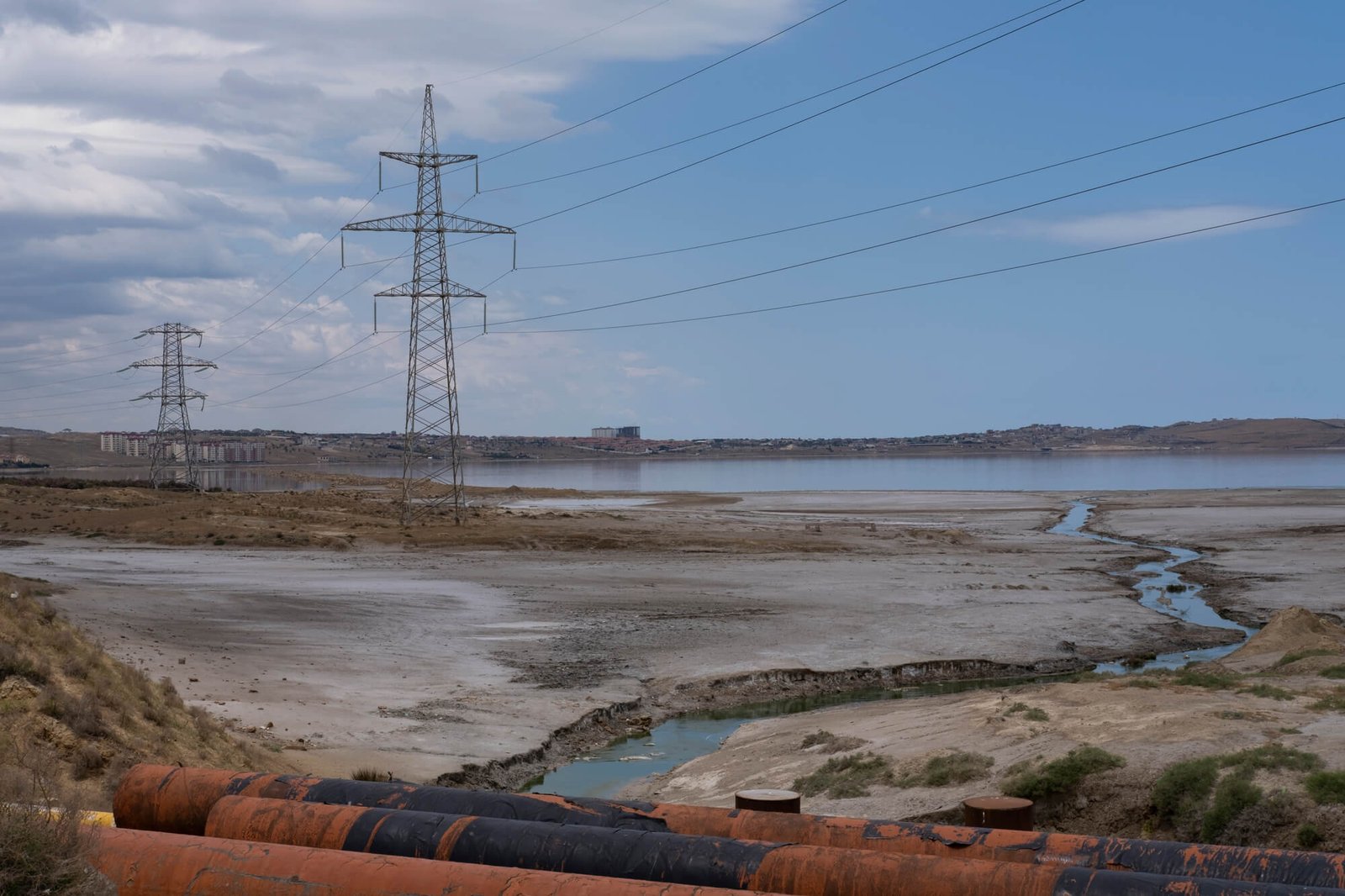
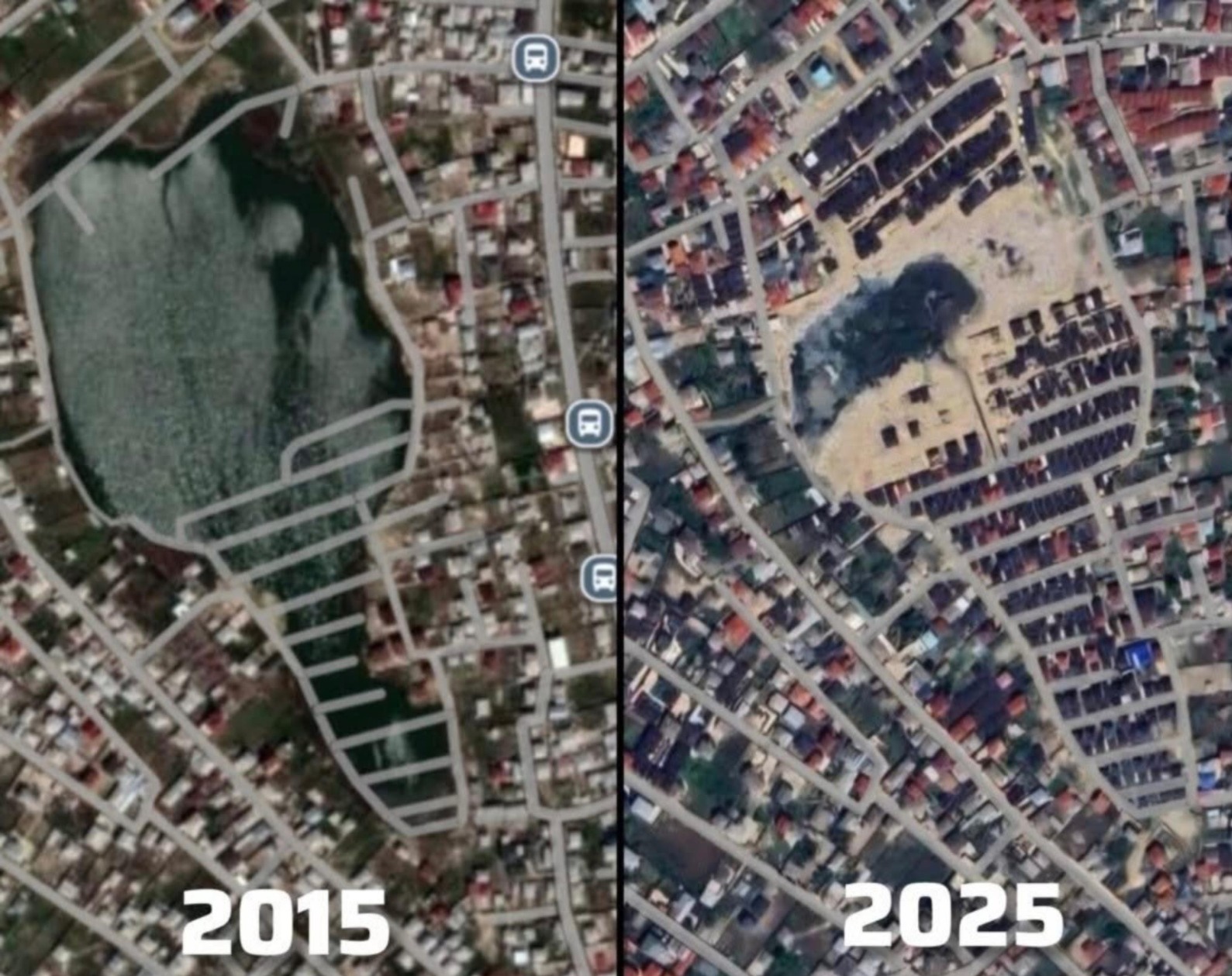
Heavy and persistent rainfall in Baku has once again pushed the area around Masazir Lake into the spotlight, as satellite images circulating on social media revive questions about how much construction has taken place there over the past decade.
The images, widely shared online, appear to show that parts of the area which were once covered by water were gradually dried out and turned into residential neighborhoods. Similar concerns have also been raised about parts of Binagadi district, where locals say ponds and low-lying zones that once collected groundwater were also filled in and built over.
The renewed discussion has sharpened a broader question: how safe is it to build homes on the site of a former lake, pond or natural depression in the land?
Ilgar Huseynli, chairman of the Social-Strategic Studies and Analytical Research Public Union, said the issue is closely tied to geography and human decision-making. In his view, people buying land or homes should pay close attention to the natural relief of the area rather than looking only at what stands there today.
He said that even if a lake in Masazir was drained in the past, the natural basin itself did not disappear. The depression remains part of the terrain and still has a natural tendency to collect water. That, he warned, makes such zones inherently risky for construction, especially during heavy rains, flooding and other extreme weather events.
Huseynli said these areas were formed as natural lowlands and are structurally prone to holding water. As a result, buildings erected there face elevated risks when strong rainfall returns. In that sense, the danger is not abstract. It is built into the geography of the land itself.
He also said the legal side of the issue raises serious questions. According to Huseynli, the draining of such water bodies, the sale of surrounding land and the approval of construction in those areas should have faced much stricter scrutiny from the outset. In his view, Masazir and similar locations should have been treated as permanently risky zones rather than normal residential land.
To reduce the danger, he said such districts need modern drainage systems, sewage lines and infrastructure capable of carrying away rainwater efficiently. Without that, each period of intense rainfall is likely to reproduce the same problem.
The core of the issue is that Masazir Lake once served as a natural drainage basin, collecting rainwater and groundwater and helping channel it away safely. Once that function was effectively removed, the natural direction of water flow was disrupted. During heavy rains, water then tends to return to the area where the lake once stood.
That is why the flooding seen around such neighborhoods is increasingly being viewed not as an isolated weather event, but as a direct consequence of building over land that once played an important hydrological role.