AZE.US
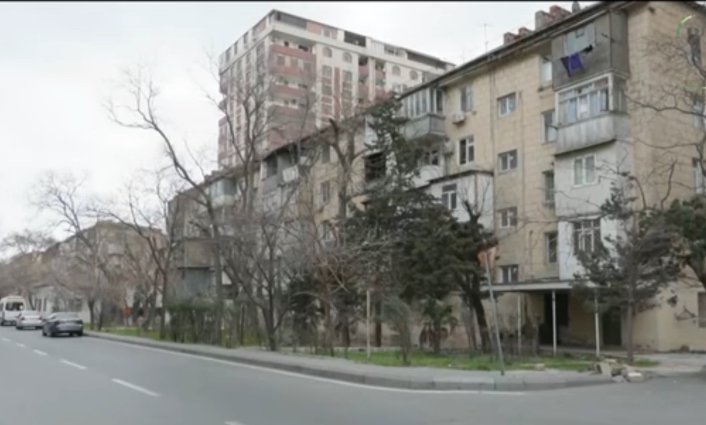
Apartments in Baku’s aging Soviet-era khrushchyovka blocks are increasingly being viewed not simply as old housing, but as a speculative real estate play tied to future demolition and compensation.
As Vesti Baku reports, there are estimated to be nearly 4,000 such buildings across the capital. Under preliminary plans, demolition is expected to move forward in stages, with roughly 1,500 buildings likely to be affected in the first phase.
The areas most often mentioned in this context include Yasamal, Binagadi, Sabunchu, Surakhani, and Pirallahi. In these districts, the possibility of redevelopment has become one of the main factors shaping prices for apartments in older buildings.
Market specialists say these properties are likely to remain actively traded for years. What is driving demand is not the condition of the apartments themselves, but the expectation that owners may receive favorable compensation once demolition begins.
Depending on the location, prices in such buildings are now estimated at around 2,000 to 3,000 manats per square meter. In some central parts of Baku, investors are buying apartments in old blocks less for rental income or personal use than for the potential payoff tied to redevelopment.
Economists say this is less about an artificial price bubble and more about expectations that have already been absorbed into the market. Buyers are paying not for outdated housing stock as it stands today, but for what that property could yield later.
Some experts believe that by 2030, roughly 30% to 35% of Baku’s existing khrushchyovka stock could be demolished. That outlook is helping keep these aging apartment blocks in the spotlight for buyers, investors, and developers alike.