AZE.US
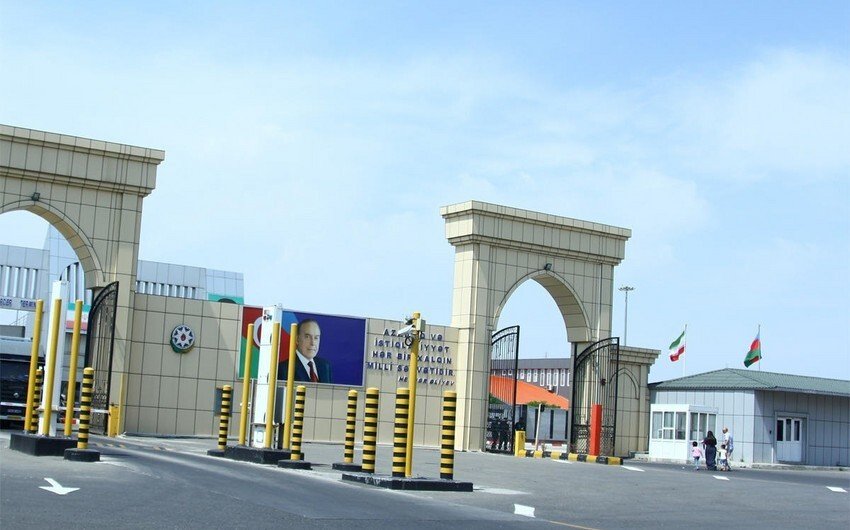
Azerbaijan’s decision to keep its land borders closed, first introduced during the pandemic period, is increasingly being felt not just as a security measure but as a daily economic constraint for households and entire regions.
Economist Rashad Hasanov told Demokrat.az that the restrictions are no longer framed around public health. Instead, officials present the continued closure largely through a security lens. Hasanov argued that whatever the rationale, the socio-economic impact is becoming harder to ignore.
He said the strongest pressure is on border districts, where small-scale cross-border trade has traditionally helped many families make ends meet. With overland crossings shut, those informal income streams have narrowed, cutting into household earnings and creating longer-term risks for balanced regional development.
Hasanov also pointed to a rise in internal migration, as residents of border areas relocate toward Baku and other major cities when local earning opportunities shrink. That movement, he suggested, is not simply a lifestyle choice but often a necessity driven by declining livelihoods.
In tourism, Hasanov said the country continues to lose ground in real terms compared with 2019, even if headline revenues look higher. He noted that Azerbaijan’s key tourism markets include Georgia, Russia and Iran, and that a large share of visitors from these countries previously arrived by road. With land entry unavailable, that flow has dropped sharply, forcing travel patterns to rely more heavily on air routes.
The closures also affect everyday spending. Hasanov said many citizens previously traveled to Iran for more affordable medical services and purchases of basic goods, while Georgia served as a popular source for car parts and other products at lower prices. Those options are now limited, increasing costs and reducing consumer choice.
Beyond economics, he highlighted the strain on social connections. For families with relatives in Russia or Georgia, travel is often possible only by air, which is typically more expensive and logistically harder than crossing by land.