AZE.US
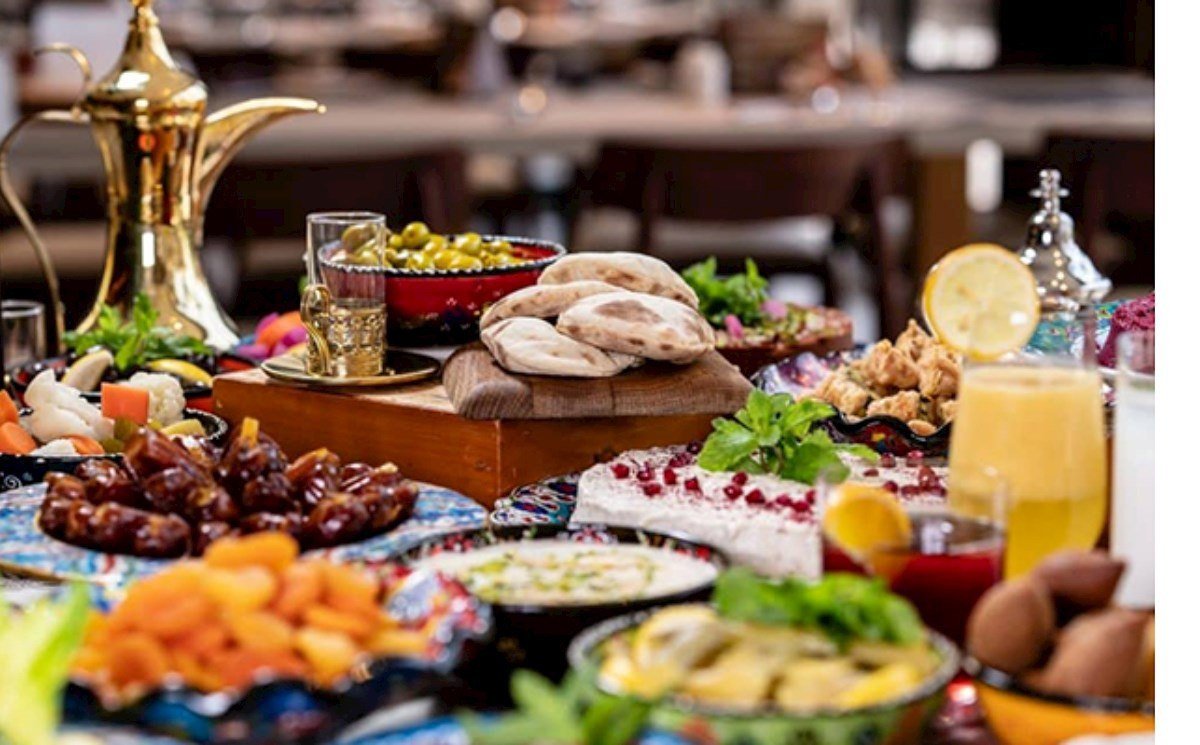
As Ramadan begins, restaurants across Azerbaijan have launched special “iftar menus,” offering evening meal packages for those breaking their fast. While such offerings have become common in recent years, pricing and commercialization have sparked renewed public debate.
In several cities, menu prices for iftar packages range from 30 to 80 manats per person – significantly higher than daytime business lunch options, which often cost between 10 and 15 manats.
The pricing gap has raised questions among some observers about whether religious traditions are increasingly being reframed as commercial opportunities.
Tradition And Market Dynamics
Ramadan is widely regarded as a month of spiritual reflection, restraint, and charity. Traditionally, iftar meals are shared within families or organized as charitable gatherings for those in need.
However, in urban settings, restaurant-hosted iftars have grown in popularity. For many families, dining out provides convenience, social space, and structured menus tailored to fasting schedules.
The issue has therefore evolved beyond religious interpretation and into a broader discussion about consumer culture and market behavior during religious periods.
Religious Perspective
Theologian Tural Irfan, commenting to local media, emphasized that acts such as iftar, sadaqah (charity), and fidya are traditionally intended to be carried out without expectation of material return.
According to him, the spiritual philosophy of fasting includes moderation not only in food but also in spending, with an emphasis on redirecting saved resources toward those in need.
From this viewpoint, regularly attending expensive restaurant iftars may contradict the spirit of restraint associated with Ramadan.
Business Position
Restaurant operators, on the other hand, describe iftar menus as standard hospitality services adapted to seasonal demand. Evening meal packages typically include multi-course offerings, extended service hours, and additional staffing – factors that affect pricing.
Supporters argue that commercial iftar services do not inherently contradict religious values, provided participation remains voluntary and charity remains encouraged elsewhere.
A Broader Social Discussion
The debate reflects a wider question facing many societies: how do traditional practices adapt within modern market economies?
In Azerbaijan, where urbanization and service-sector growth continue, Ramadan-related commerce has naturally expanded. Whether this trend represents cultural dilution or simple economic evolution remains subject to personal interpretation.
What remains constant is Ramadan’s emphasis on intention. For some, that intention is expressed through charity and modesty. For others, it includes communal dining within contemporary social spaces.
The conversation, like the month itself, centers on balance.