AZE.US
Honored journalist of Azerbaijan Elchin Alioglu believes that attempts to weaken Iran by eliminating its military leadership would not lead to the collapse of the system.
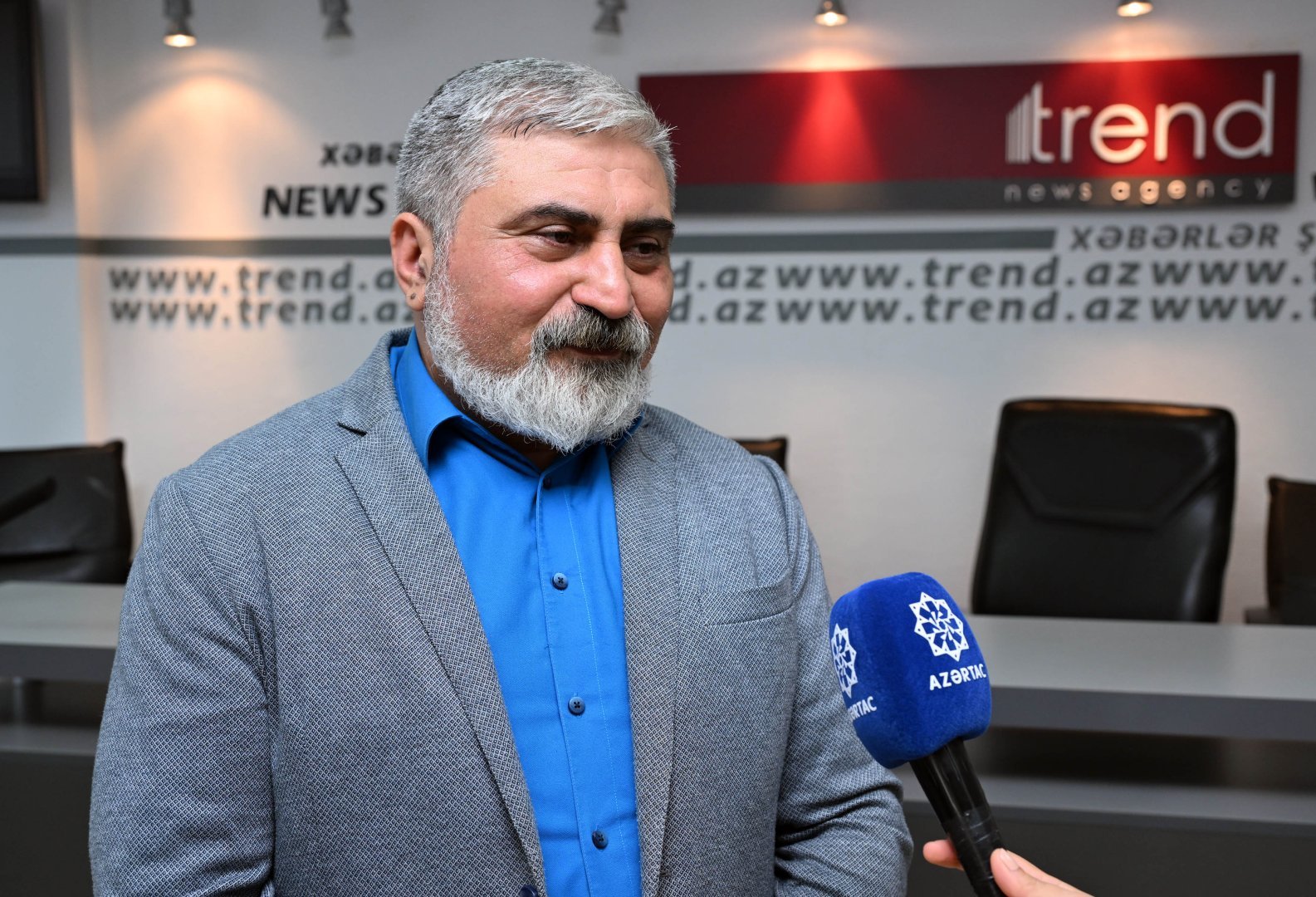
Speaking in an interview with Musavat TV, Alioglu said the key to understanding the current conflict around Iran lies in the ideology and power structure formed after the 1979 Islamic Revolution.
According to him, since the revolutionary government came to power, Iran’s state ideology has been built around confrontation with the United States and Israel. This framework has shaped the country’s foreign policy and military strategy for decades.
However, Alioglu argues that one of the major mistakes Western countries make is believing that eliminating political or military leaders could dismantle Iran’s command structure.
He says Iran has developed a multi-layered system of military succession. Each commander appoints several potential successors, and those individuals also have designated replacements.
As a result, even if senior commanders are eliminated, the system is designed to continue functioning.
Alioglu also noted the key role played by the Islamic Revolutionary Guard Corps (IRGC), which he described as effectively operating as a “state within a state.”
According to the analyst, many military decisions can be taken within this structure without the direct involvement of civilian institutions such as the government or parliament.
He also highlighted Iran’s reliance on asymmetric warfare tactics. Even if an opponent destroys parts of the country’s conventional military infrastructure – including air force units, air defense systems or naval assets – Iran could still continue resistance using alternative methods.
As an example, Alioglu pointed to the use of low-cost drones and small naval platforms capable of causing serious damage to much larger targets.
According to the analyst, such a strategy makes Iran a particularly difficult opponent in the event of a prolonged conflict.