AZE.US
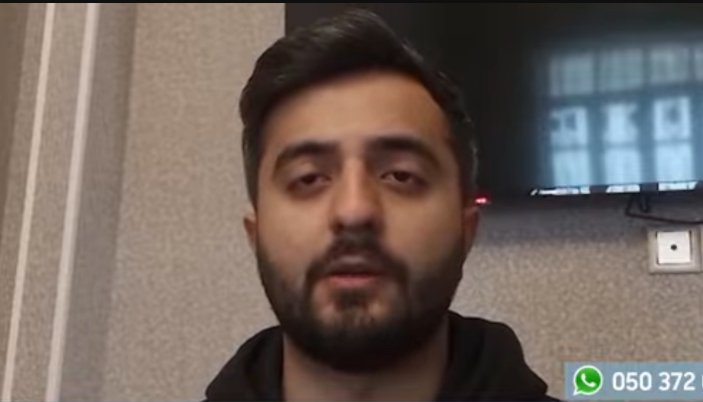
A new online scam is gaining traction in Azerbaijan, with fraudsters using social media livestreams to lure people into fake prize draws that promise large cash winnings.
The scheme is designed to look convincing. Viewers are told they can win substantial amounts of money by sending relatively small payments, usually ranging from 60 to 600 manats. In return, the organizers claim they will open several “lottery cards” or enter the person into a draw with supposedly high-value rewards.
During the livestreams, the scammers create the impression that participants are winning large sums. Some victims are led to believe they have earned $10,000, $20,000 or even more. But in reality, there is no real prize fund and no legal lottery behind the process.
Experts say the money collected through such fake draws is simply pocketed by the organizers. The goal is not to award prizes, but to exploit people’s hopes of quick and easy earnings.
Specialists warn that this type of fraud has become more common in recent months. The schemes are often presented as lotteries, competitions or promotional campaigns, even though they lack any legal basis, registration or transparent rules.
Officials and cybersecurity experts are urging the public to treat such offers with extreme caution. Promises of fast profits, unusually large prizes and “easy money” should immediately raise suspicion, especially when people are asked to transfer money in advance.
Azerbaijan’s Interior Ministry told local media that police continue to receive reports about individuals who deceive citizens online with false promises of income or quick returns and then steal their money. Authorities say that once such complaints are filed, law enforcement works to identify those involved and take legal action.
Citizens are also being reminded not to share personal information or bank card details with strangers online and not to send money to unlicensed contests or unverified organizers.
Experts stress that legitimate lotteries and prize campaigns operate under clear legal rules and with transparent procedures. If those basic safeguards are missing, the offer should be treated as a potential scam.