AZE.US
Azerbaijani politician Natig Jafarli, chairman of the REAL Party, has said that Iran does not have the legal authority to unilaterally close the Strait of Hormuz, despite ongoing tensions in the region.

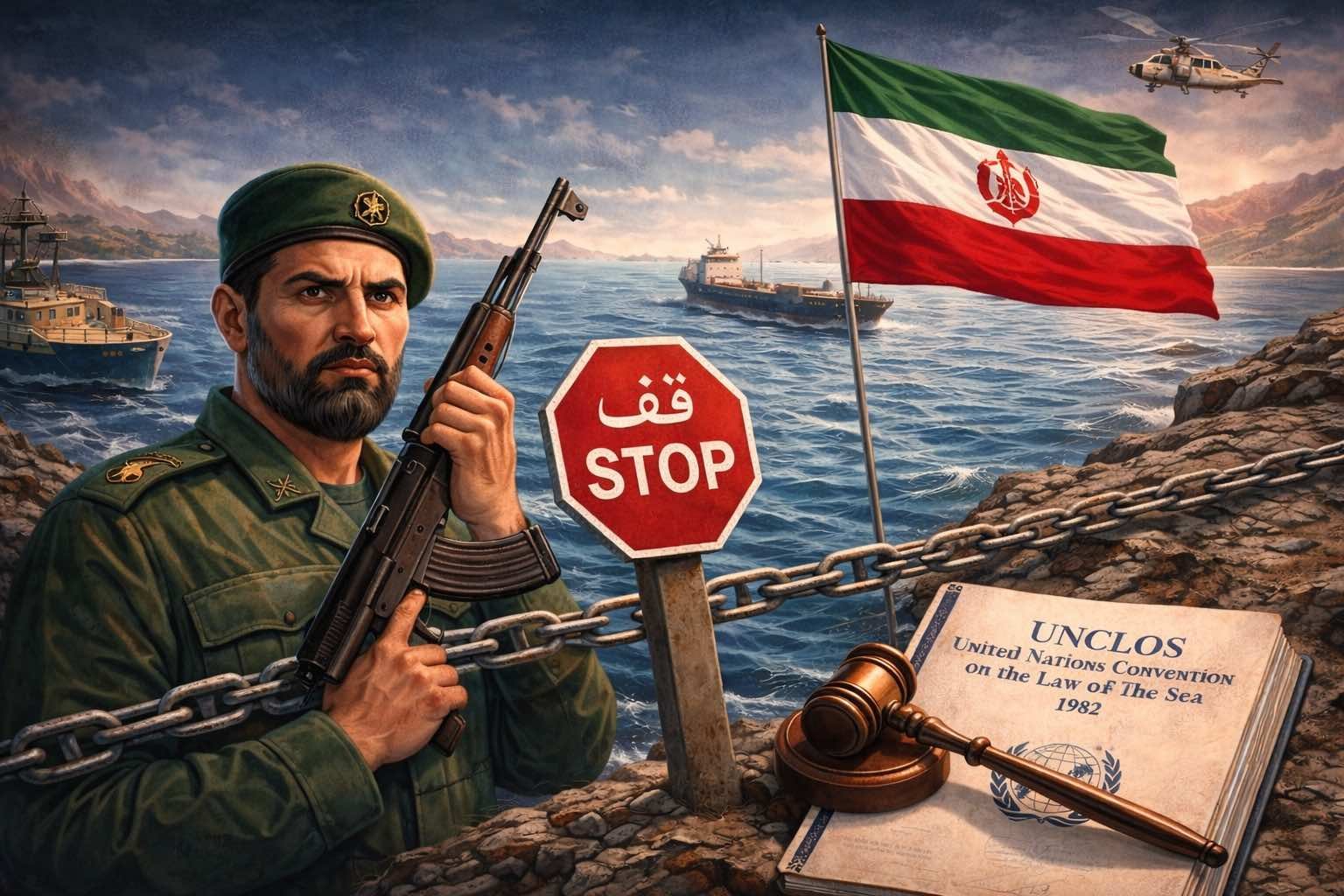
In a post on Facebook, Jafarli explained that the strategic waterway is often mistakenly viewed as being under Iran’s control. In reality, he said, the strait has the status of an international passage for navigation, governed by the 1982 United Nations Convention on the Law of the Sea (UNCLOS).
Under international maritime law, ships from all countries – both civilian and military – have the right to transit passage through international straits used for global navigation.
Jafarli noted that coastal states have territorial waters extending 12 nautical miles (about 22 kilometers) from their shores. The narrowest part of the Strait of Hormuz is around 33 kilometers wide, meaning the waters are divided between the territorial zones of Iran and Oman.
However, he pointed out that the main shipping lanes pass through Omani territorial waters, which further complicates any attempt by Iran to block maritime traffic through the strait.
The politician also stressed that closing the Strait of Hormuz would significantly harm Iran itself. According to him, about 80% of Iran’s import and export operations pass through ports connected to the strait.
The waterway is also crucial for the wider region. Beyond oil and gas shipments from Gulf countries, it serves as a major route for food, medicine, and other essential supplies, including deliveries to Iraq, a country with a population of about 45 million.
Jafarli acknowledged that Iran considers itself a victim of aggression and may be using the threat of closing the strait as leverage in the current confrontation. However, he warned that such actions could cause serious damage to the global economy and to the countries of the region.
In his view, the issue surrounding the Strait of Hormuz will ultimately need to be resolved in a way that prevents any state from being able to block international trade routes at will.