AZE.US
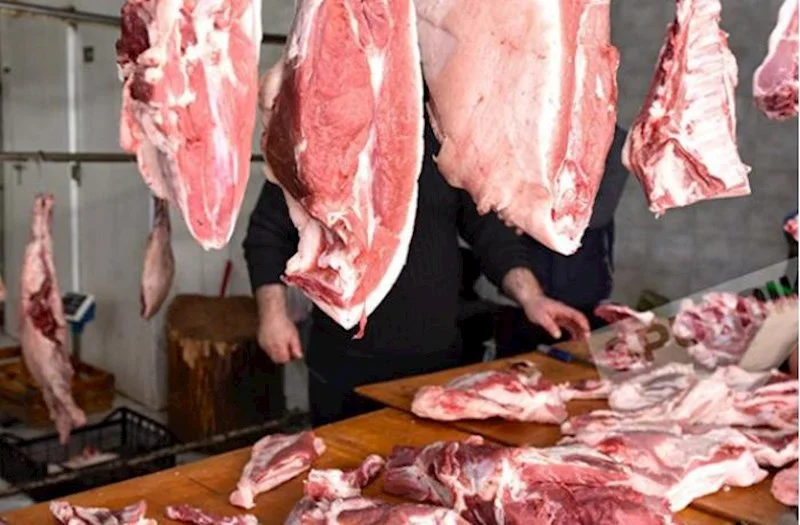
Meat prices in Azerbaijan remain elevated, with both consumers and vendors reporting sustained increases compared to last year.
According to market observations, the average price of beef has risen by 3-5 manats year-on-year, while lamb has increased by 4–6 manats. If bone-in beef could be found for 14-15 manats per kilogram at the beginning of last year, it now rarely sells for less than 18 manats. Boneless beef is priced around 22.5 manats, while lamb ranges between 21 and 25 manats depending on quality and cut.
Retailers attribute the rise primarily to tightening supply. They say the number of livestock farmers in rural regions has declined, limiting the availability of locally produced meat. At the same time, cheaper imported meat has not fully offset domestic shortages.
Official statistics reinforce this trend. In 2025, meat imports fell by 18.8%, and the decline continued in January 2026. With import volumes shrinking and domestic production unable to fill the gap, upward pressure on prices has persisted.
Economists point to a chain reaction of cost increases. Higher prices for animal feed, rising fuel and transportation expenses, and currency-related import costs have all contributed to growing production expenses. Analysts also cite the role of intermediaries within the supply chain as an additional factor affecting retail prices.
Experts argue that price stabilization would require expanded state support for livestock farmers, protection of pastureland and measures to reduce feed costs. Without structural adjustments in the agricultural sector, a return to previous price levels appears unlikely in the near term.