AZE.US
The concept of “natural village products” is becoming increasingly difficult to verify in Azerbaijan as declining small-scale farming, weak certification mechanisms and growing consumer skepticism reshape the food market.
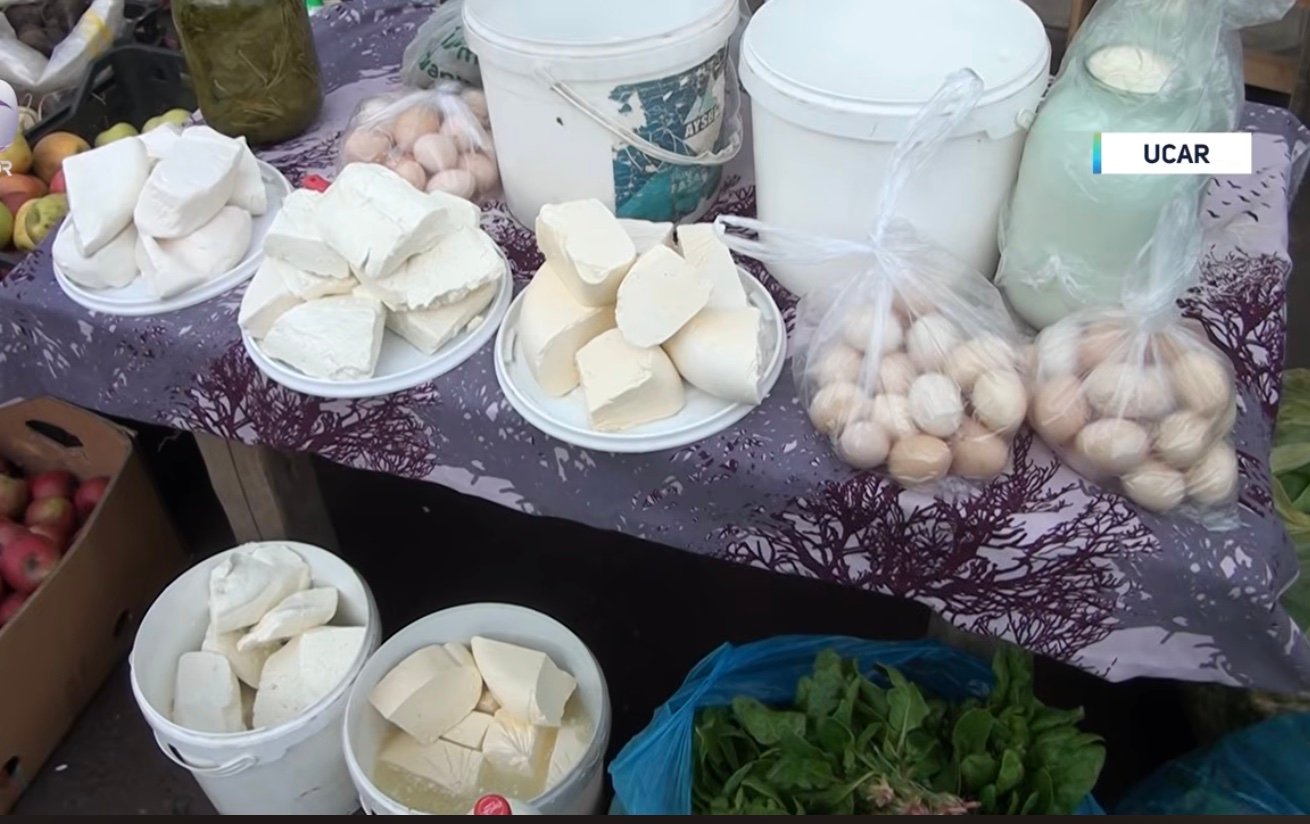
Vendors from regional districts say genuine farm produce is reaching urban markets in smaller volumes. Limited pasture access, rising livestock maintenance costs and shrinking rural production have pushed many households out of traditional agriculture, forcing authentic products to be sold locally rather than transported to cities.
Price disparities further complicate trust. Producers note that the real cost of one kilogram of traditional butter can approach 20 manats, while cheaper products labeled as “village-made” are widely available in markets, raising concerns about dilution or industrial substitution.
Consumers report that distinguishing natural goods from mass-produced alternatives has become increasingly difficult. Greenhouse-grown or commercially processed items are often marketed as rural produce, while reliable verification typically depends on personal trust in specific sellers or direct purchases in villages.
Food policy expert Seymur Gafarov says authentic rural products should originate from small, non-industrial farms with minimal processing and seasonal production cycles. However, weak oversight and the absence of clear certification standards make differentiation nearly impossible for buyers.
Analysts warn the issue now extends beyond taste or price. It reflects a broader erosion of market trust, production transparency and rural sustainability. Without stronger farmer support and enforceable labeling rules, the term “village product” risks becoming a purely commercial label rather than a meaningful indicator of origin.