AZE.US
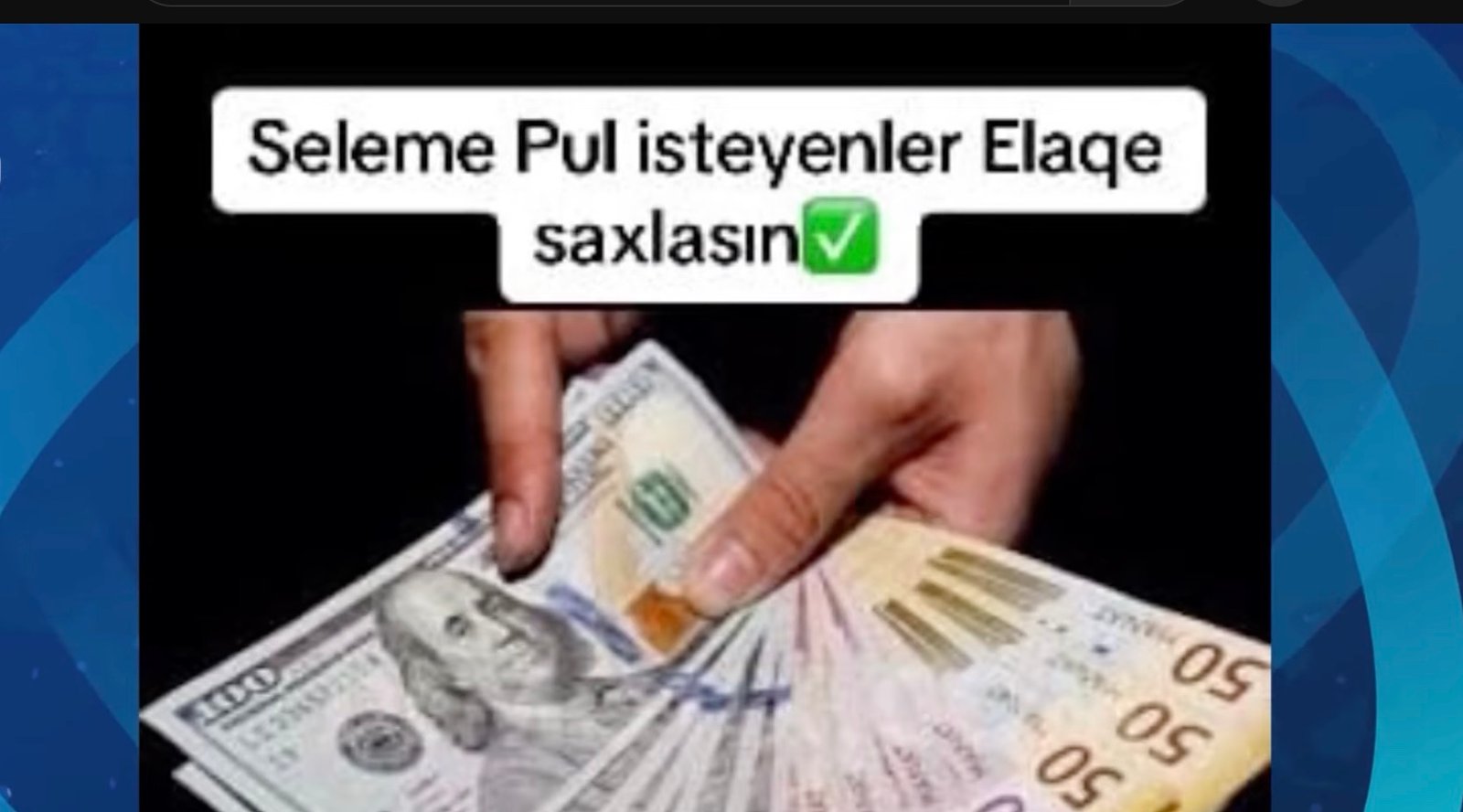
Informal lending is gaining visibility across Azerbaijan, particularly in Baku, where social media platforms are increasingly used to advertise “instant cash” with no paperwork, guarantors or bank screening.
For borrowers shut out of the formal banking system, such offers may appear to be a solution. In practice, they often create a second and more dangerous financial trap.
Reports circulating in Azerbaijan describe cases in which a 1,000-manat loan turned into a 2,000-manat repayment demand. Because these transactions are typically arranged without written contracts, borrowers have little legal leverage if terms change or interest compounds unexpectedly.
In one case shared publicly, a regional resident said he sought funds outside Baku to cover urgent medical treatment for his child. He pledged gold jewelry as collateral. Despite repaying the principal along with additional payments, he was unable to recover the pledged property.
Legal experts in Azerbaijan warn that interest rates in the informal sector can far exceed those of licensed banks. A short-term 100-manat loan may carry a 10-manat surcharge within weeks. While the structure appears simple, the cost of delay or partial repayment can rapidly escalate.
What This Signals
The growth of informal lending points to deeper structural issues. Access to formal credit in Azerbaijan remains uneven, particularly for low-income borrowers, individuals with prior repayment problems, or those working in the informal economy.
When formal institutions deny credit, demand does not disappear – it shifts into unregulated channels. In Baku and other urban centers, that shift increasingly occurs online.
However, issuing loans with interest without a financial license is illegal under Azerbaijani law. Individuals or entities engaged in unauthorized financial activity may face administrative penalties amounting to two to four times the income obtained from such operations.
Law enforcement authorities in Azerbaijan have urged citizens not to share personal data or bank card details in response to online lending advertisements.
As inflation pressures household budgets and medical or emergency costs arise unexpectedly, the appeal of fast cash remains strong. But without contracts, transparency or regulatory oversight, informal borrowing can transform short-term relief into long-term financial damage.