AZE.US
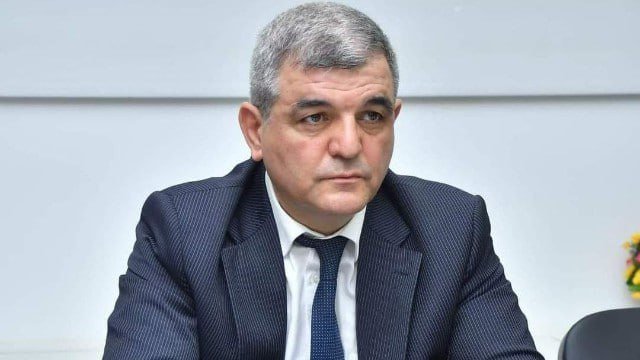
A refrigerator repair technician in Azerbaijan can earn more than a university graduate with a formal diploma, according to Member of Parliament Fazil Mustafa, who says the imbalance reflects a deeper mismatch between the country’s education system and labor market demand.
Speaking about employment trends among young people, the lawmaker pointed to a persistent problem: many university graduates are unable to find work in their field of study. As a result, they often turn to sectors unrelated to their academic training.
Official employment data for 2018–2023 indicate that supermarkets were among the top employers of university graduates during that period. The figures suggest that a significant share of degree holders begin their careers in retail rather than in specialized professional roles.
Mustafa also criticized the structure of civil service recruitment. He noted that candidates must pass multiple stages, including exams and interviews, and are then placed on a reserve list. In some cases, those who successfully complete the process are never called up for a position. Faced with limited openings in the public sector, many job seekers accept available positions in the private market.
At the same time, he argued that educated employees can benefit retail businesses, particularly in customer-facing roles that require communication skills and price awareness. However, the broader income gap remains striking.
According to the lawmaker, graduates in sociology, literature and other humanities disciplines often struggle to secure jobs in their profession. Meanwhile, skilled trades such as hairdressing or appliance repair generate steady demand and, in some cases, higher earnings.
“The market is responding to practical demand,” he said, emphasizing that a diploma alone does not guarantee competitiveness.
Mustafa called for reforms to better align higher education with labor market needs. He suggested that the system should be more differentiated and focused on preparing specialists for sectors where demand is strongest.
The comments add to ongoing debate in Azerbaijan over youth employment, wage disparities and the future direction of higher education policy.