AZE.US
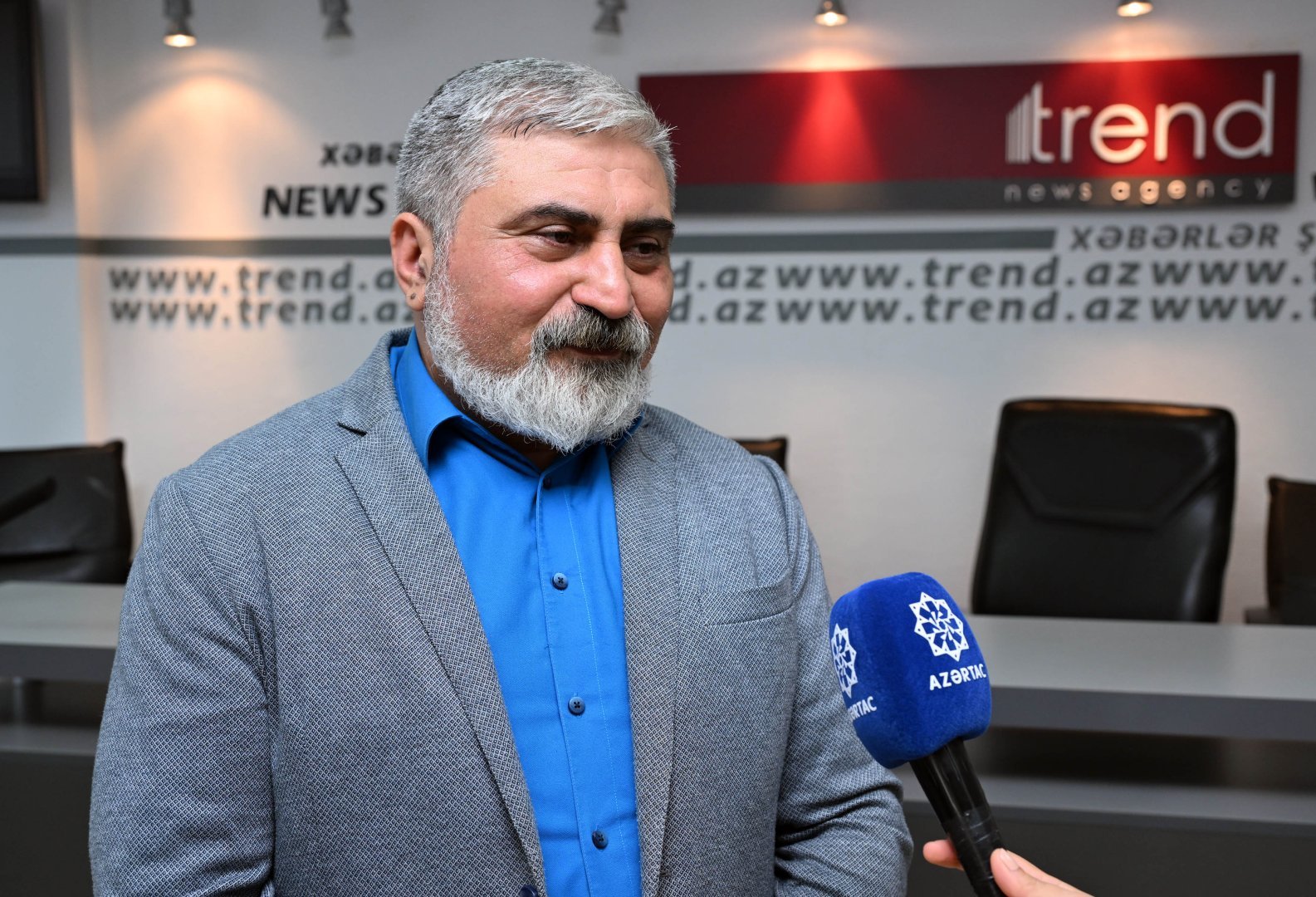
Azerbaijani journalist and analyst Elchin Alioglu said on the YouTube channel of Prime TV Azerbaijan that the idea of South Azerbaijan’s independence, while understandable for many supporters, could end in a far wider regional crisis.
Speaking about the long-running divide between advocates of independence and supporters of federalization, Alioglu argued that the issue cannot be approached only through slogans or historical emotion. In his view, the real challenge begins with geography, borders, regional power balances, and the likely reaction of neighboring states.
He said that even if South Azerbaijan were to move toward independence, the region would immediately face questions over territory, political structure, and external pressure. More importantly, he argued, such a move would almost certainly provoke resistance from surrounding countries that do not want to see Iran fragmented.
Alioglu warned that the independence of South Azerbaijan could trigger similar demands from other ethnic and regional groups inside Iran, including Baluch, Arab and Kurdish communities. That, he said, could open the door to a much larger breakdown of order.
He placed particular emphasis on the Kurdish factor, saying that any serious fragmentation of Iran would quickly turn into a struggle over borders, influence and competing territorial claims. In that scenario, he argued, the fallout would not remain confined to Iran alone, but would spill across the wider region.
According to Alioglu, this is why talk of immediate independence may be politically appealing but strategically dangerous. He said the end result could be a “regional chaos” that no outside power would be able to fully contain.
Instead, he argued for a more pragmatic course: broad autonomy for South Azerbaijan with real governing powers, its own parliament, and meaningful constitutional authority. In his view, the first priority should be restoring language rights, strengthening internal organization, and building political capacity rather than chasing what he sees as an unrealistic near-term breakaway scenario.
Alioglu also suggested that the South Azerbaijan issue is vulnerable to manipulation by outside actors and media narratives. He criticized some commentators in Turkey for, in his words, repeating distorted or shallow frameworks that fail to reflect the depth of the issue.
His overall argument was clear: for South Azerbaijan, the more realistic path today is not sudden independence, but a broad autonomous model that preserves identity and political agency while avoiding a destabilizing regional rupture.