Aze.US
Reports that the United States could be preparing for a multi-week military operation against Iran are adding to regional tensions, even as diplomatic contacts continue and Washington’s final decision remains unclear.
Negotiations surrounding Iran’s nuclear program have stretched on for weeks without a breakthrough, while the United States has simultaneously maintained diplomatic engagement and increased its military presence in the Middle East. The dual track has heightened uncertainty over Washington’s next steps.
Recent media reports suggest U.S. planners may be considering the possibility of extended military operations if talks fail. Such scenarios, analysts say, could involve strikes not only on nuclear infrastructure but also on key military and state facilities. Some experts, however, question whether even large-scale attacks would be sufficient to produce political change inside Iran.
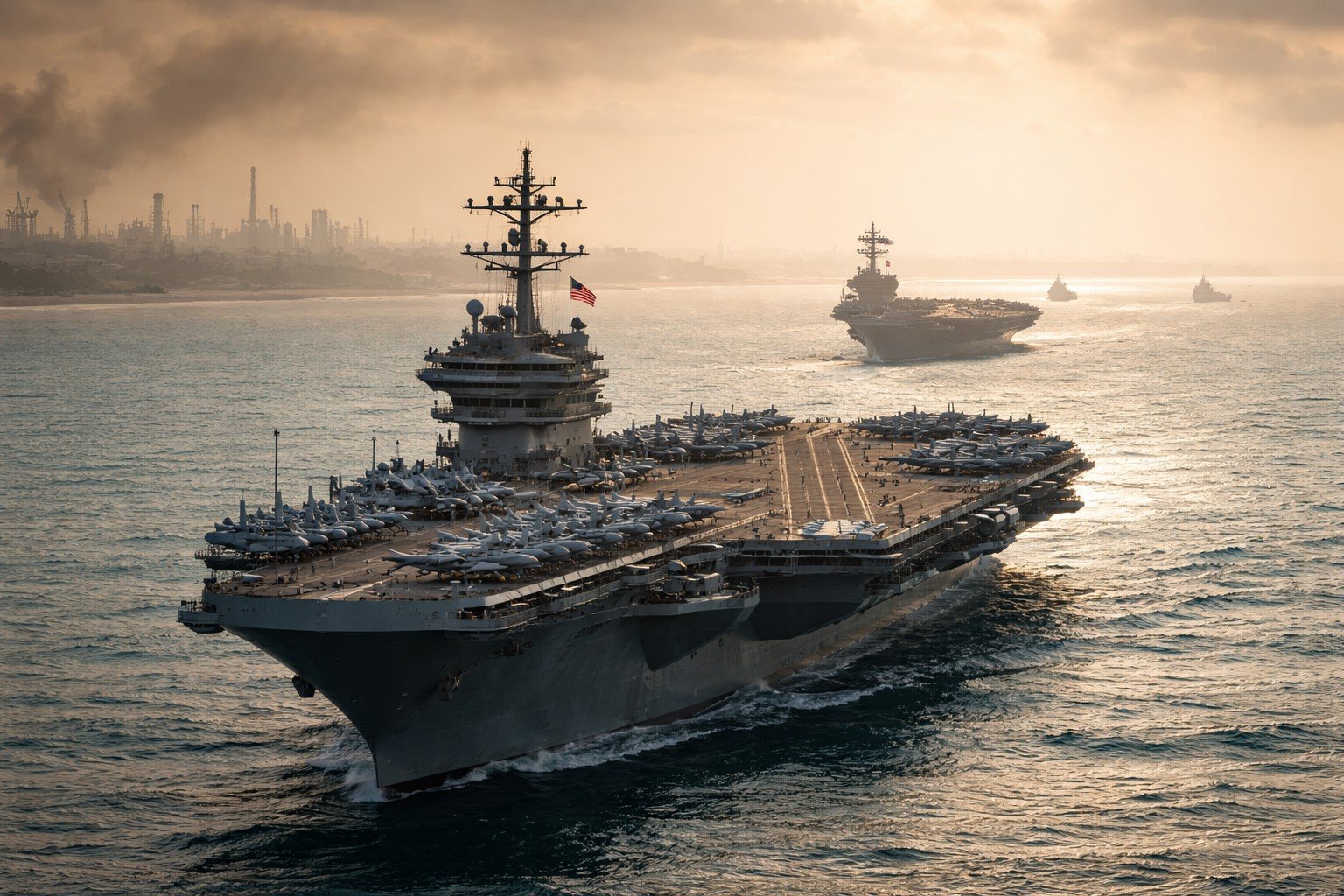
Attention has also focused on the reported deployment of a second U.S. aircraft carrier to the region. The move is widely viewed as both a pressure signal toward Tehran and a precautionary step amid potential escalation, though U.S. officials continue to emphasize a preference for diplomacy.
Iranian officials, for their part, have warned of retaliatory responses in the event of an attack. Analysts note that any conflict could place U.S. military bases and regional allies – particularly Israel – at heightened risk, potentially broadening the confrontation beyond a limited strike scenario.
Observers suggest the current pause may reflect both ongoing diplomatic efforts and continued military preparation, including reinforcement of air-defense systems and protection of regional infrastructure. Should negotiations collapse, the likelihood of a force-based approach could increase.
For now, the trajectory of the crisis remains uncertain. While rhetoric on both sides has hardened, channels for dialogue remain open, leaving unresolved whether the standoff will culminate in renewed conflict or a negotiated settlement.