AZE.US
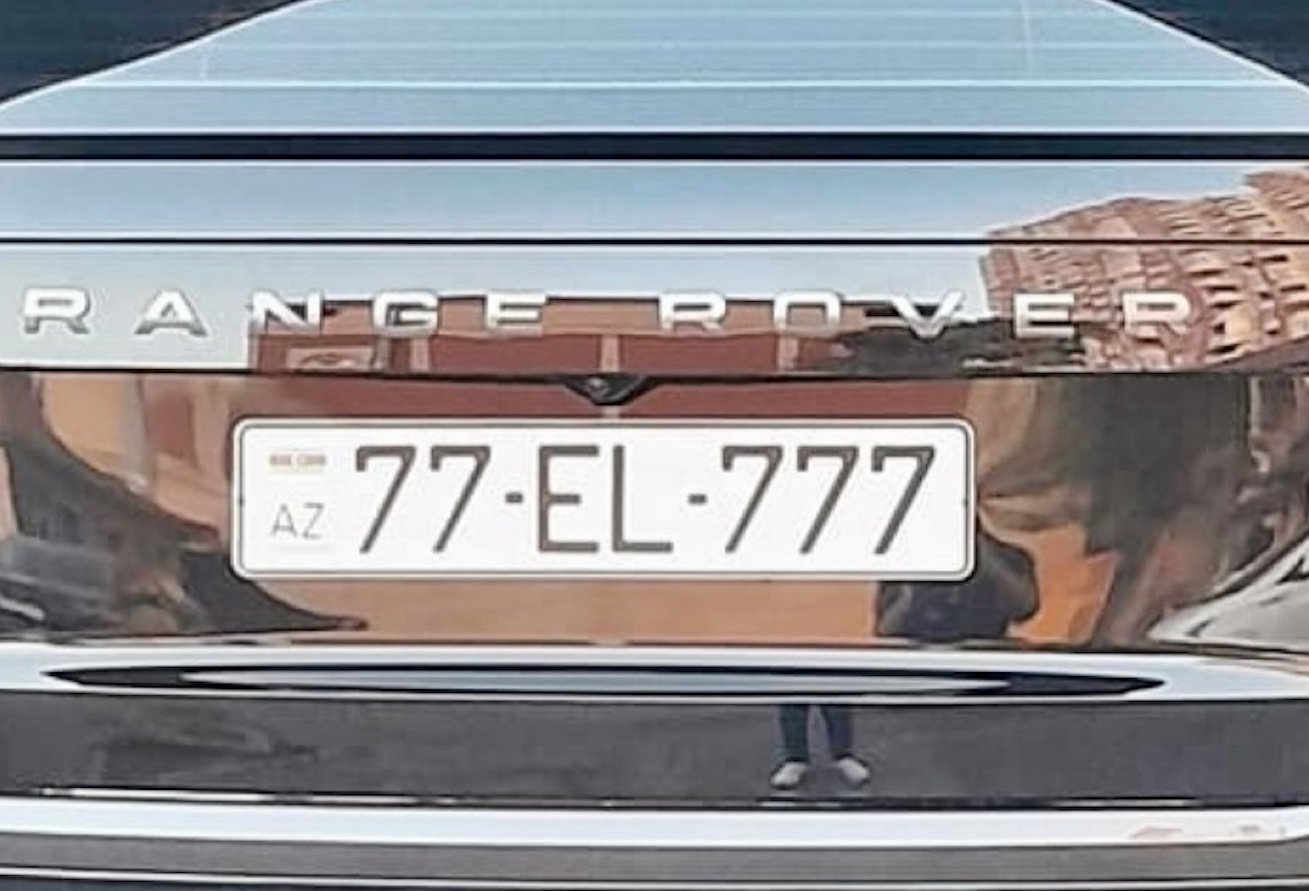
Heavy rain in Baku has revived a frustrating problem for drivers: when a registration plate is torn off in floodwater and disappears, they cannot simply request a replacement with the same number combination.
Under Azerbaijan’s road traffic law, the owner must first report the loss or theft to the police, and if the missing plate is later found, it is offered back to its last registered owner.
The catch is what happens when the plate is not found. In that case, the system does not automatically recreate the same letter-and-number combination as a duplicate. Instead, the driver is pushed into a new registration process, which means getting a new plate and updating the vehicle’s documents. That turns what looks like a minor weather-related inconvenience into a bureaucratic and financial problem.
This is why the issue has landed so sharply after Baku’s March downpours. March 2026 has been unusually wet in the capital, with reported rainfall totals far above the monthly norm, helping explain why so many drivers suddenly found themselves searching for missing plates after driving through flooded streets.
The debate is no longer just about bad weather. It is also about whether the current rule is too rigid for a modern registration system. Local reporting and expert commentary in Azerbaijan have pointed to the same complaint: drivers lose time and money even when the plate was swept away by rain rather than stolen or intentionally removed. That is why some experts argue that once a loss is officially recorded, reissuing the same combination would be the more practical fix.
There is another layer here too. The problem is partly legal, but partly mechanical. Traffic experts quoted in Azerbaijani media say many plates are not securely fastened, which makes them easier to rip off in standing water or under pressure from passing traffic. So the recent wave of complaints exposed two weaknesses at once – a rigid recovery procedure and a very basic vulnerability in how some cars carry their plates.
In other words, the real irritation for drivers is not just that a plate goes missing in the rain. It is that once it disappears, the state treats it less like something that can be restored and more like something that must be replaced from scratch. That may make administrative sense on paper, but in practice it leaves motorists paying for a problem they did not really create.