Aze.US
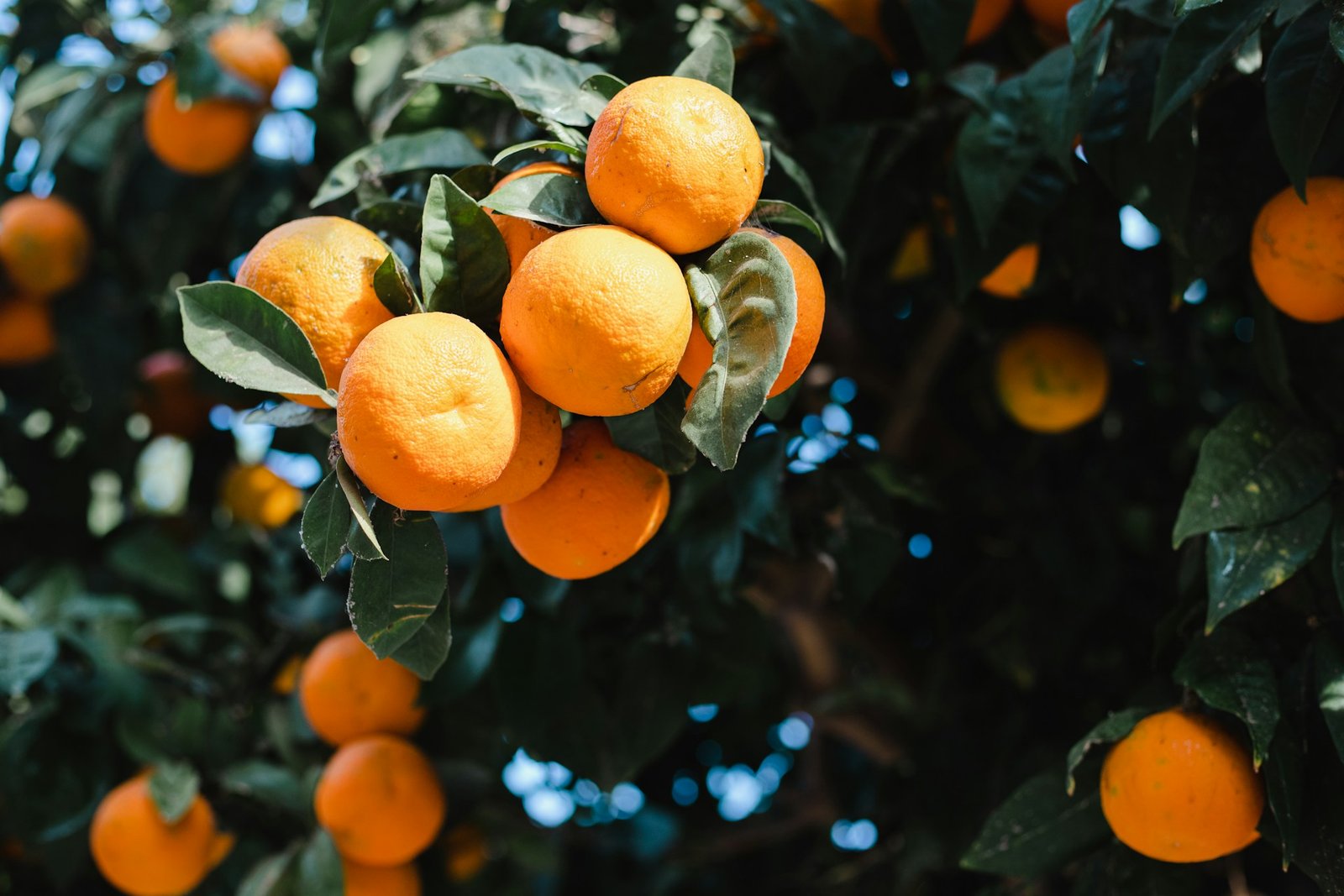
Shoppers in Baku are increasingly encountering oranges imported from Turkey and Iran, reflecting a widening gap between domestic supply and consumer demand.
Vendors say imported fruit offers more consistent volume, appearance, and year-round availability, making it the primary source for retailers. Prices vary by size and quality, but dependence on foreign supply means local market costs remain sensitive to exchange rates, transport conditions, and regional harvest outcomes.
Agricultural experts note that citrus cultivation in Azerbaijan is largely confined to the humid southern districts near the Lankaran – Astara zone, where climate conditions are suitable but arable land is limited. Even under favorable conditions, orange trees typically require four to six years before producing commercial yields, creating financial risk for farmers.
Weather volatility adds another constraint. Citrus crops are vulnerable to frost and excess moisture, increasing the likelihood of losses and discouraging long-term investment. As a result, many growers prioritize less risky products such as mandarins, lemons, tea, or feijoa – crops that mature faster and provide more predictable income.
Today, domestic orange production is estimated to satisfy only a small share of national demand, leaving imports to fill the majority of the market. For consumers, this structural dependence means that global supply dynamics – from regional climate patterns to trade logistics – can directly influence everyday food prices in Baku.
For a country seeking stronger agricultural resilience and reduced import exposure, the citrus gap highlights broader questions about land use, investment incentives, and long-term food security planning.