AZE.US
In Azerbaijan, obtaining an official property ownership certificate – commonly referred to as a “kupcha” – is a formal legal procedure.
The state fee for electronic registration of property rights is 50 AZN, with additional service charges depending on urgency. On paper, the process appears structured and transparent.
In practice, however, thousands of property owners across Baku and the regions report years-long delays – or outright refusals.
The question many ask is simple: why do some homeowners receive a title deed, while others in nearly identical situations do not?
The Official Procedure
Under Azerbaijani law, property rights must be registered in the state real estate registry to be legally recognized. Once registered, the owner receives an official extract confirming ownership.
Without this document, property cannot be fully:
-
used as collateral for bank loans
-
formally transferred or sold
-
legally protected in disputes
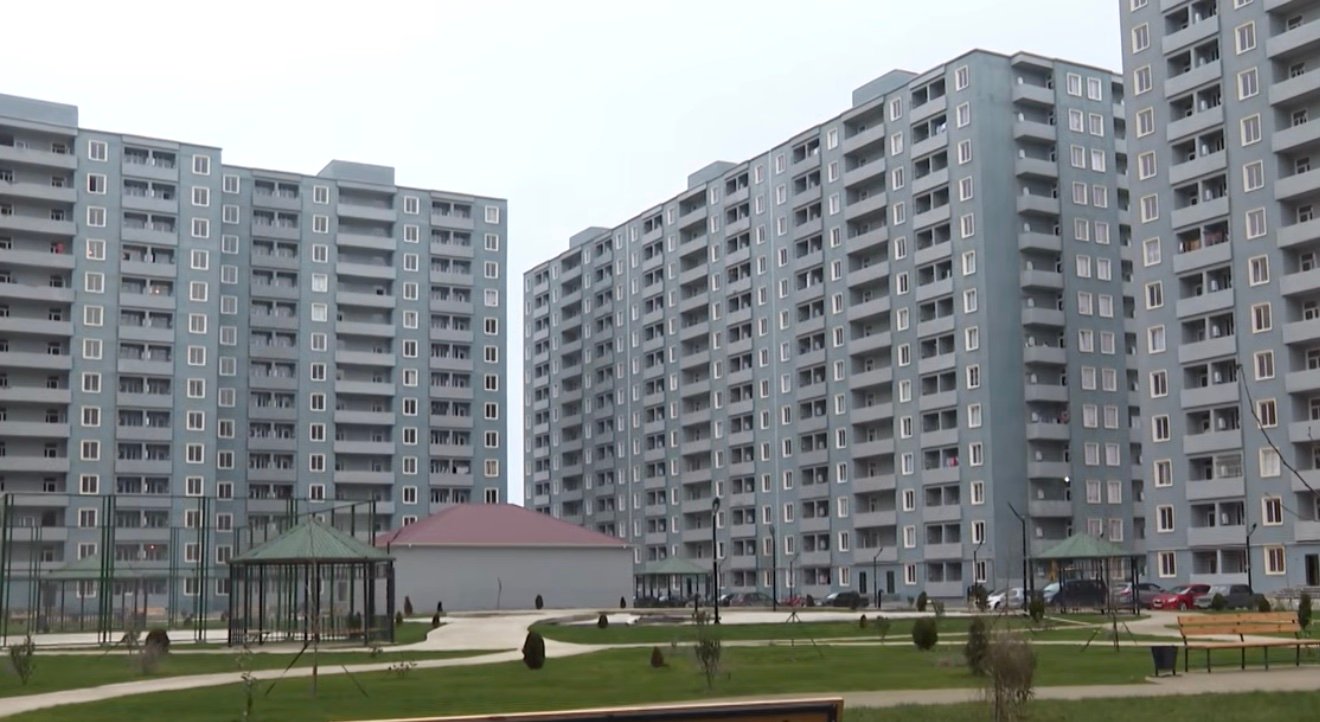
Yet in many residential areas – including parts of Baku – buildings are occupied and operational without formal registration.
Court Decisions as a Workaround
Legal experts note that in some cases citizens are informally advised to seek resolution through the courts. Once a court issues a decision recognizing ownership, the registration authority may issue the title deed based on that ruling.
This creates a paradox: two property owners in similar circumstances may receive different outcomes depending on whether they pursue legal action.
Such discrepancies raise concerns about consistency in administrative practice.
The Issue of Registry Transparency
Another point of debate is access to the state property registry. In many developed economies, land and property registries are publicly searchable. Individuals can verify the legal status of land plots and buildings.
In Azerbaijan, registry data is not fully public. Critics argue that limited transparency complicates verification and contributes to uncertainty around the legal status of certain properties.
The lack of open access also makes it difficult to determine whether comparable properties in the same area have been registered or remain undocumented.
Economic Consequences
The implications extend beyond individual ownership disputes.
Unregistered property represents what economists sometimes describe as “dead capital” – assets that physically exist but are not fully integrated into the formal financial system.
Without legal registration:
-
owners cannot leverage property for credit
-
banks face increased lending risk
-
tax collection may be less comprehensive
-
investment potential is constrained
In a growing urban economy such as Baku’s, unresolved property registration issues can affect broader financial circulation.
Possible Policy Approaches
Some legal specialists have suggested two potential solutions:
-
A structured property amnesty program with a defined transition period, allowing large volumes of existing buildings to be formally registered.
-
Increased transparency of the real estate registry through digital mapping and public access mechanisms.
Supporters argue that these measures could reduce legal uncertainty while strengthening tax revenues and financial system depth.
A Question of Legal Certainty
Property registration is more than administrative paperwork. It forms the foundation of mortgage markets, investment security, and private ownership rights.
As Azerbaijan continues to modernize its urban infrastructure and financial institutions, consistency and transparency in property registration remain central to legal certainty.
For many homeowners, the core issue is not the official fee or procedure – but predictability. In a functioning system, similar cases should lead to similar outcomes.
Until that principle is firmly established, the question will persist: why do some receive a title deed – and others do not?