Aze.US
Azerbaijan’s vehicle scrappage program has processed more than 20,000 cars since its launch, yet many drivers still refuse to participate, citing compensation of just 1,000–1,500 manat-far below the cost of purchasing another vehicle.
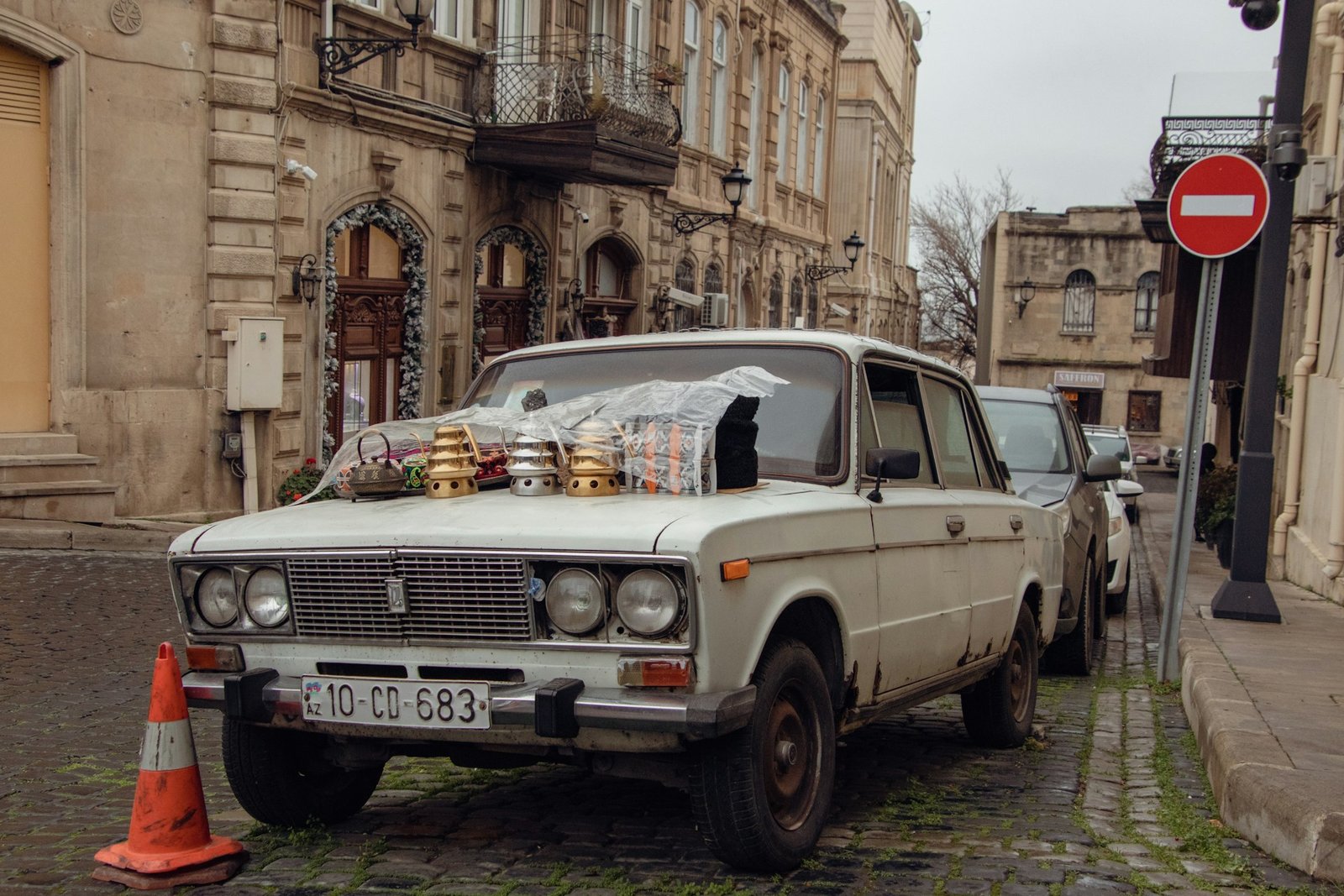
Thousands of cars that have effectively reached the end of their service life continue to circulate on Azerbaijan’s roads, many with corroded bodies, failed braking systems, and missing safety features. Experts warn such vehicles represent a serious traffic safety risk.
To address the issue, authorities launched a state vehicle scrappage program. However, participation remains limited, as many owners see little financial incentive to surrender their cars.
Compensation gap drives resistance
Drivers say the payment offered for scrapping a vehicle-typically 1,000 to 1,500 manats-is insufficient to secure even a basic replacement. Used cars commonly cost 6,000 to 10,000 manats or more, leaving owners unable to bridge the gap.
“You can’t do anything with that money,” many motorists say, choosing to keep aging vehicles on the road instead.
Program activity rising, but impact still limited
Since the program’s launch on October 15, 2024, more than 20,000 vehicles have been submitted for recycling. At the start of 2026, applications increased to over 100 per day, indicating growing awareness.
Even so, specialists note that most scrapped vehicles were already non-operational or severely deteriorated, while a large number of technically unsafe but still functioning cars remain in everyday use.
What could change the trend
Analysts argue the program’s effectiveness depends on stronger incentives, including:
-
higher compensation payments;
-
affordable replacement vehicle options;
-
broader state support mechanisms.
Until the economic calculation shifts, the reality for many drivers is simple: keeping an old car is cheaper than scrapping it-and unsafe vehicles will likely remain a visible part of Azerbaijan’s traffic landscape.