AZE.US
Residents of Soviet-era homes in Baku are still struggling to obtain formal ownership papers, even after decades of living in the same properties.
The issue remains unresolved for many families who have long treated these homes as their permanent residence, paid utility bills and gathered various documents, yet still cannot complete the legal registration process.
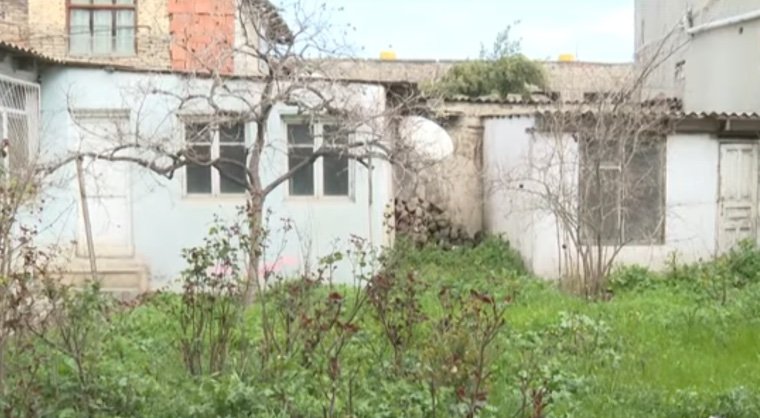
One such case involves a resident of the Keşlə settlement in Baku’s Nizami district. According to the resident, the local executive authority had earlier asked people to bring in their documents so ownership papers could be prepared. He says he submitted all the required paperwork, but nothing happened afterward.
He later applied again through ASAN Xidmət, hoping the issue would finally move forward. He was told he would receive a response within 15 days, but after that period passed, he said he was informed that no information about his case could be found.
The man says he has lived at the address since the 1970s and still holds documents dating back to the Soviet period. His residence at that location is also reflected in municipal records.
The house is connected to коммунal services, and all related bills have been paid regularly over the years. In practical terms, the family has been living there as full occupants for decades. Legally, however, the property remains unregistered.
After an inquiry was sent to the State Service for Property Issues, the response said that no registration record or technical passport had been found for the property under the name of the applicant’s late father at the address in question.
Officials added that the relevant documents may be held in the National Archive Fund and said it would be advisable for the citizen to apply there.
That response points to a broader problem facing many owners of Soviet-era homes: even when people have old papers and a long history of residence, the path to legal ownership can still run through missing archival records rather than the current registration system alone.