AZE.US
Rising construction costs in Azerbaijan are starting to shift the balance in the housing market, giving older homes a clearer advantage over new builds.
Sellers in construction markets say prices have risen across nearly all major building materials in recent weeks. Some types of blocks that were previously sold for 3.80 to 4 manats are now priced at about 4.60 manats. Other materials have increased by close to 1 manat over a short period.
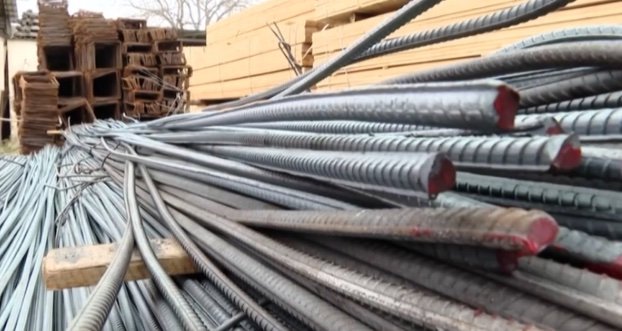
Metal products have also moved higher. Materials that had sold for 3.90 manats are now at around 4.50 manats, while products priced at 6 manats have climbed to roughly 6.60 manats. Timber prices have risen as well, with the cost per cubic meter increasing from about 320 manats to 340-345 manats, depending on quality.
That rise is already affecting buyer behavior. Traders say consumer activity has weakened, with more people checking prices but delaying renovation or construction plans. For many households, building a house or starting a major repair project has become significantly more expensive.
Even so, analysts do not expect these increases alone to trigger a sharp near-term surge in housing prices. In their view, isolated price increases of around 3% to 5% in some construction materials are not enough to push the entire property market sharply upward in the short run.
What they are doing, however, is reinforcing a divide that already existed. Buyers are increasingly leaning toward older homes, while newly built properties are becoming harder to justify on price. That applies both to individual houses and to apartment purchases.
The reason is simple: new housing is entering the market with a higher cost base. As construction becomes more expensive, developers have less room to keep prices competitive. Older homes, by contrast, often look like the more affordable option for buyers trying to stay within budget.
Economists link the rise in material prices mainly to Azerbaijan’s dependence on imports and to shifts in global markets. Since many building materials are imported, outside price changes quickly feed into domestic costs. Demand has also been supported by investment growth. In the first quarter, investment in fixed capital rose by nearly 15%, while growth in the non-oil economy stood at around 3.12%, adding more pressure to demand for materials.
For now, the main effect is not an immediate housing price shock, but a gradual change in market preference. If imported materials remain expensive and local production does not expand, newly built housing is likely to become even less affordable, while older homes continue to look like the more practical choice.
AZE.US