AZE.US
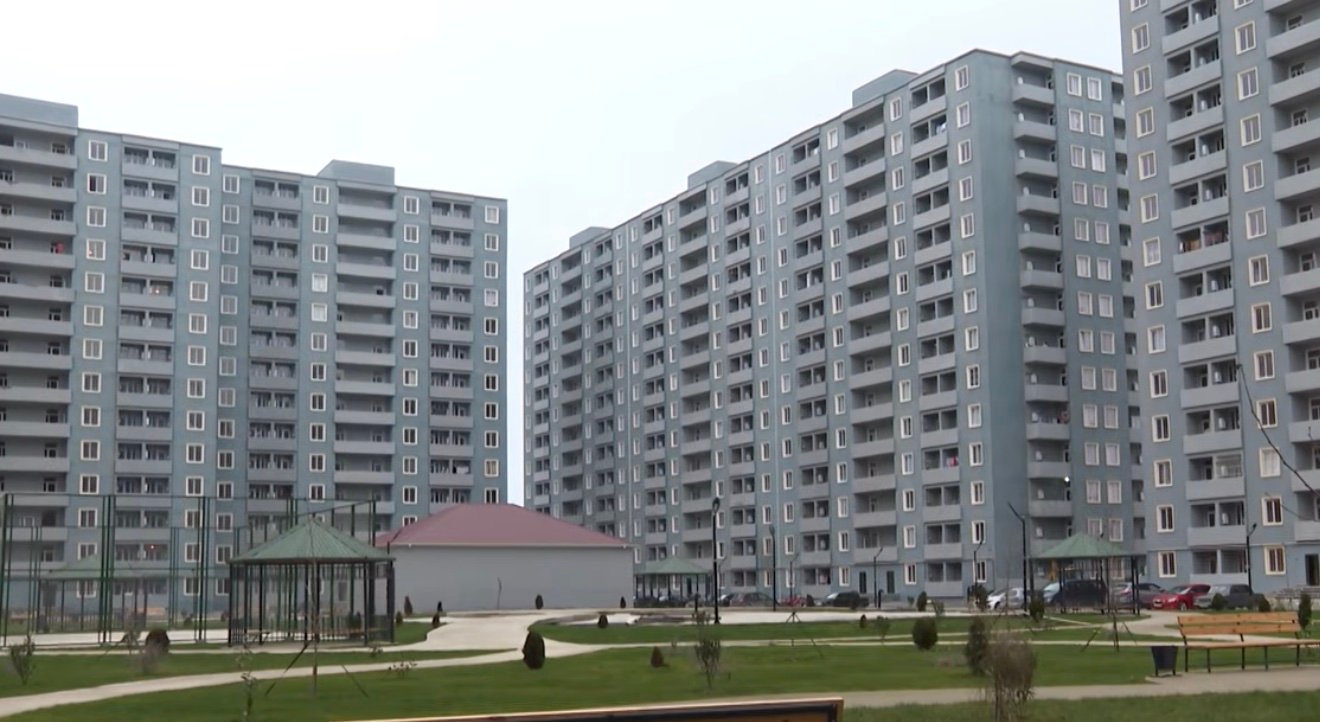
Mortgage accessibility in Azerbaijan is coming under growing pressure as housing prices continue to climb, leaving many families priced out even when they qualify for state-backed lending programs.
The issue was discussed on the program Sabaha saxlamayaq, where experts said the current mortgage system no longer matches the realities of the housing market. One of the main complaints is that the electronic application process, which was supposed to make access easier, has turned into a race against time. In many cases, lending limits are exhausted within seconds after the system opens.
Economist Samir Aliyev said mortgage lending should be treated not as a commercial product, but as a social tool designed to improve housing access. Yet despite more than two decades of operation, the system has reached only a limited share of the population. According to figures cited in the discussion, around 58,000 people have benefited from mortgage lending over the years, averaging only a few thousand families annually.
Another major problem is the widening gap between mortgage limits and real market prices. Participants in the discussion said the current loan ceiling of 100,000 to 150,000 manats is no longer enough to buy an apartment in Baku, especially in central or near-central districts. As a result, buyers are increasingly pushed toward the outskirts, while homes in more desirable areas remain out of reach.
Experts also argued that a social housing mechanism should not operate on a first-come, first-served basis. Instead, they said the system should give priority to those with the greatest need, based on transparent criteria such as income, family status, whether the applicant already owns property, and other social factors.
The discussion also pointed to a deeper structural imbalance in the market. Demand for new housing remains far above supply. Participants said there is almost no supply of housing in the 40,000-100,000 manat segment aimed at lower-income families, while the market has a relatively larger supply of expensive housing affordable only to a small share of buyers.
Participants said access is further narrowed by income requirements, down payment burdens, age restrictions, and additional bank-level risk filters. In practice, that means a large share of citizens are excluded long before they can seriously compete for a mortgage loan.
Among the proposed solutions were higher funding volumes, a review of mortgage ceilings, simpler application procedures, lower down payments, and a more transparent selection process. Some speakers also called for broader construction of affordable housing beyond Baku and for new funding sources to support the mortgage system.
The overall message from the discussion was that the problem goes far beyond technical glitches or lending limits that disappear within seconds. At its core, it reflects a growing mismatch between home prices, household incomes and the design of Azerbaijan’s mortgage system.
AZE.US