AZE.US
The crisis around the Strait of Hormuz has brought energy security back into focus. Before the current tensions, a significant share of global oil shipments passed through this narrow maritime route, which means any disruption can quickly affect prices, logistics and market expectations.
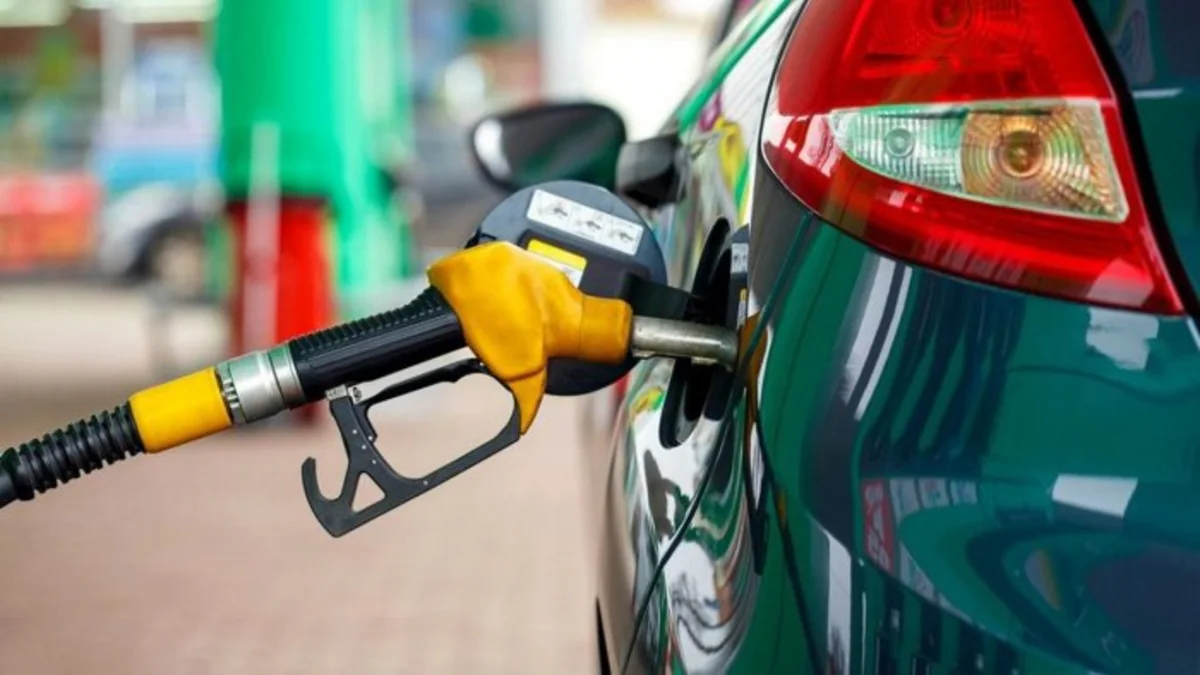
For Azerbaijan, the issue is not only part of the wider global energy picture. The country produces motor fuel, but AI-95 gasoline is imported. Its price is also not regulated by the Tariff Council and is shaped by market conditions.
That is why the main question for drivers is simple: could higher global fuel prices eventually affect the cost of AI-95 in Azerbaijan?
Experts say the price of this type of gasoline depends on company costs, including purchase prices, transport, logistics and the broader market environment. If those costs rise, the pressure may eventually be reflected in retail prices. Still, it would be premature to say that an increase is inevitable. Much will depend on how long the crisis lasts and how global suppliers respond.
In Azerbaijan, the price of AI-95 was reduced in 2024 from 2 manats to 1.60 manats per liter.
The question now is whether that level can be maintained if external pressure on energy markets continues.
The situation appears calmer when it comes to aviation fuel. Azerbaijan is described as an important regional producer in this segment. Modernization is continuing at the Heydar Aliyev Oil Refinery in Baku, with one of the targets being to increase annual aviation fuel production to 1 million tons and move toward more modern standards.
For now, there is no clear sign of a direct fuel shortage risk for Azerbaijan. But imported AI-95 remains the most sensitive part of the domestic fuel market. If the crisis around the Strait of Hormuz drags on, this gasoline grade could be among the first to feel external price pressure.
The Hormuz crisis is also a reminder that despite talk of green energy, electric vehicles and new technologies, the global economy remains deeply tied to oil, gas and maritime routes. When one strategic strait becomes unstable, the impact does not stop at crude prices. Transport, insurance, aviation and supply chains also come under pressure.
For Azerbaijani drivers, the practical question remains whether AI-95 will stay at 1.60 manats per liter or whether the market will eventually adjust the price in response to the global situation.
AZE.US