In Washington, peace is often spoken of in moral terms-an aspiration to be pursued when conditions allow. But in today’s fractured world, peace is not a luxury. It is a strategic imperative.
From Eastern Europe to the Middle East, and across the South Caucasus and Central Asia, instability is reshaping global trade, energy security, and political alliances. The consequences are not distant. They are felt in supply chains, migration patterns, and the rising costs borne by American households and businesses. In this environment, peace is not simply the absence of conflict - it is the foundation of economic resilience, regional stability, and long-term U.S. leadership.
Yet peace cannot be secured through hard power alone. Military strength may deter, but it cannot build trust. Agreements may pause conflict, but they rarely resolve it. What is needed is a broader, more human-centered approach-one that invests in dialogue, cultural understanding, and sustained engagement between societies.
This is where cultural diplomacy becomes not just relevant, but essential.
Cultural diplomacy operates where traditional policy tools often fall short. It builds relationships before crises erupt and sustains them after headlines fade. Through education, cultural exchange, and people-to-people engagement, it creates the conditions necessary for cooperation. It transforms abstract foreign policy goals into tangible human connections.
The United States has long understood this. From educational exchange programs to international broadcasting, American soft power has shaped global perceptions and built enduring partnerships. But in an era of increasing geopolitical competition, these tools must be strengthened, not sidelined.
Regions like the South Caucasus and Central Asia illustrate both the risks and the opportunities. As strategic corridors for energy and trade - particularly through initiatives like the Middle Corridor-they are critical to global connectivity and economic diversification. But without stability and trust among neighboring states, these opportunities remain fragile.
Peace, in this context, is not an endpoint - it is infrastructure. It enables trade routes, supports investment, and fosters regional integration. It creates the conditions under which economic and political partnerships can thrive.
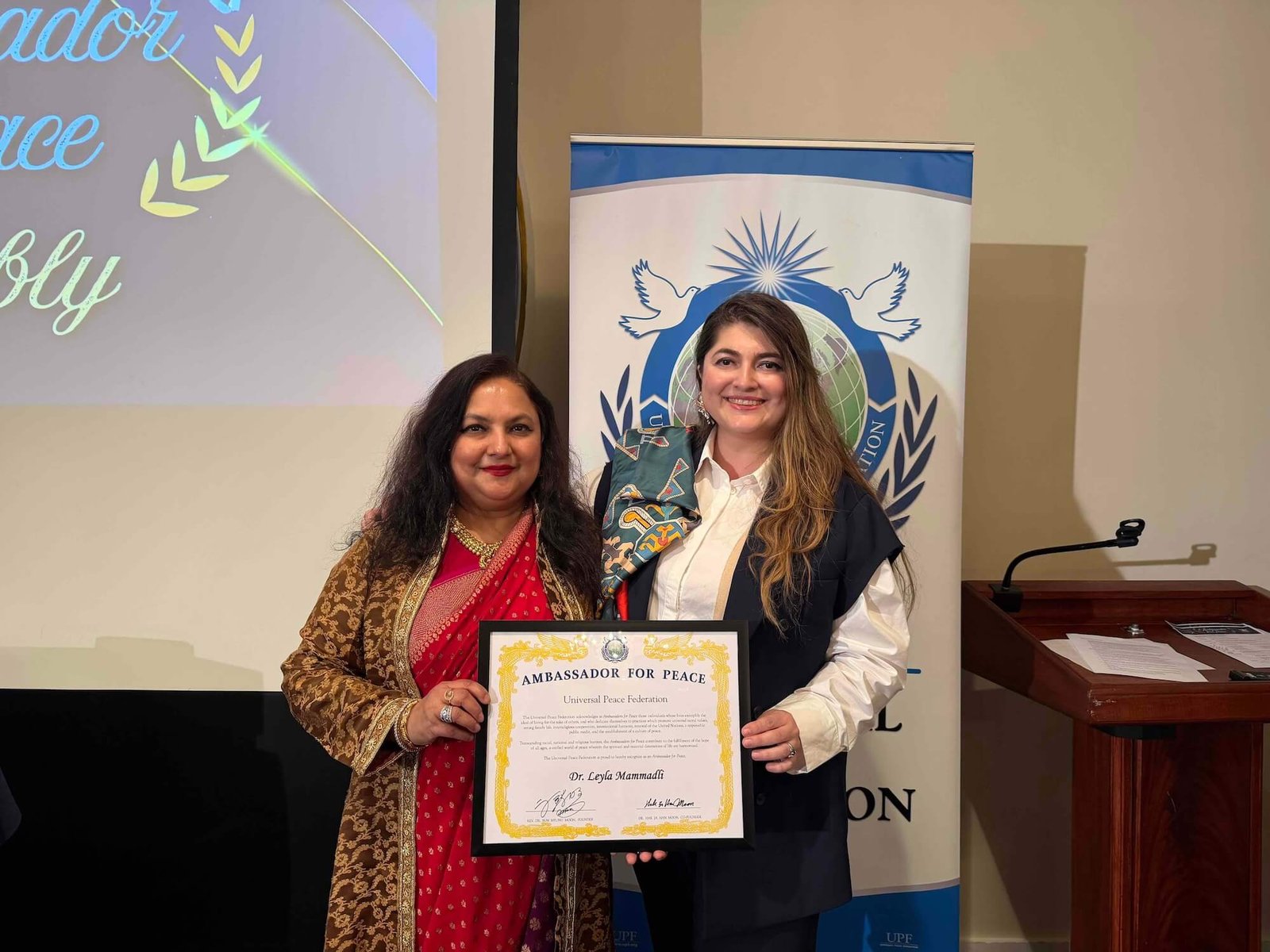
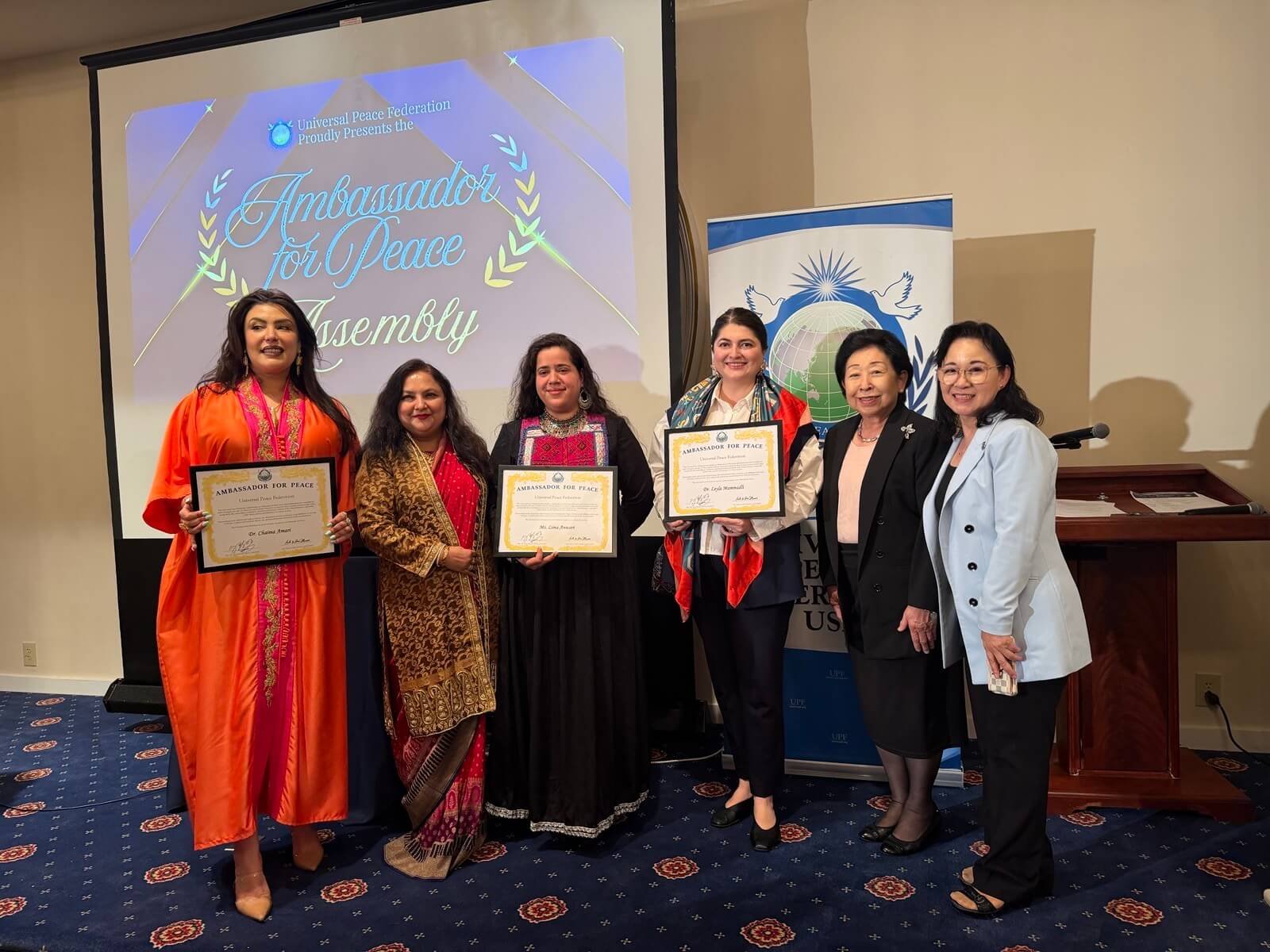
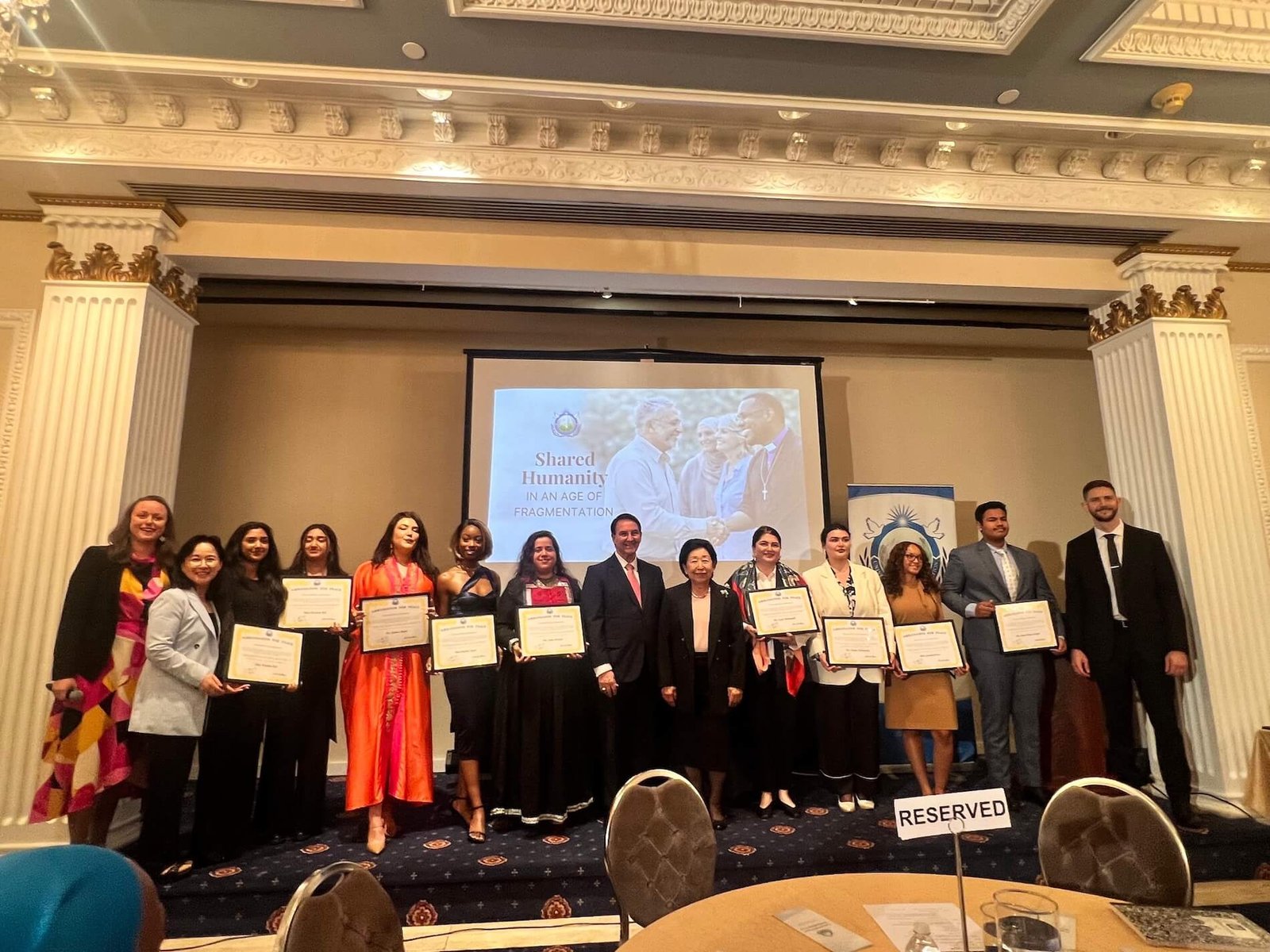
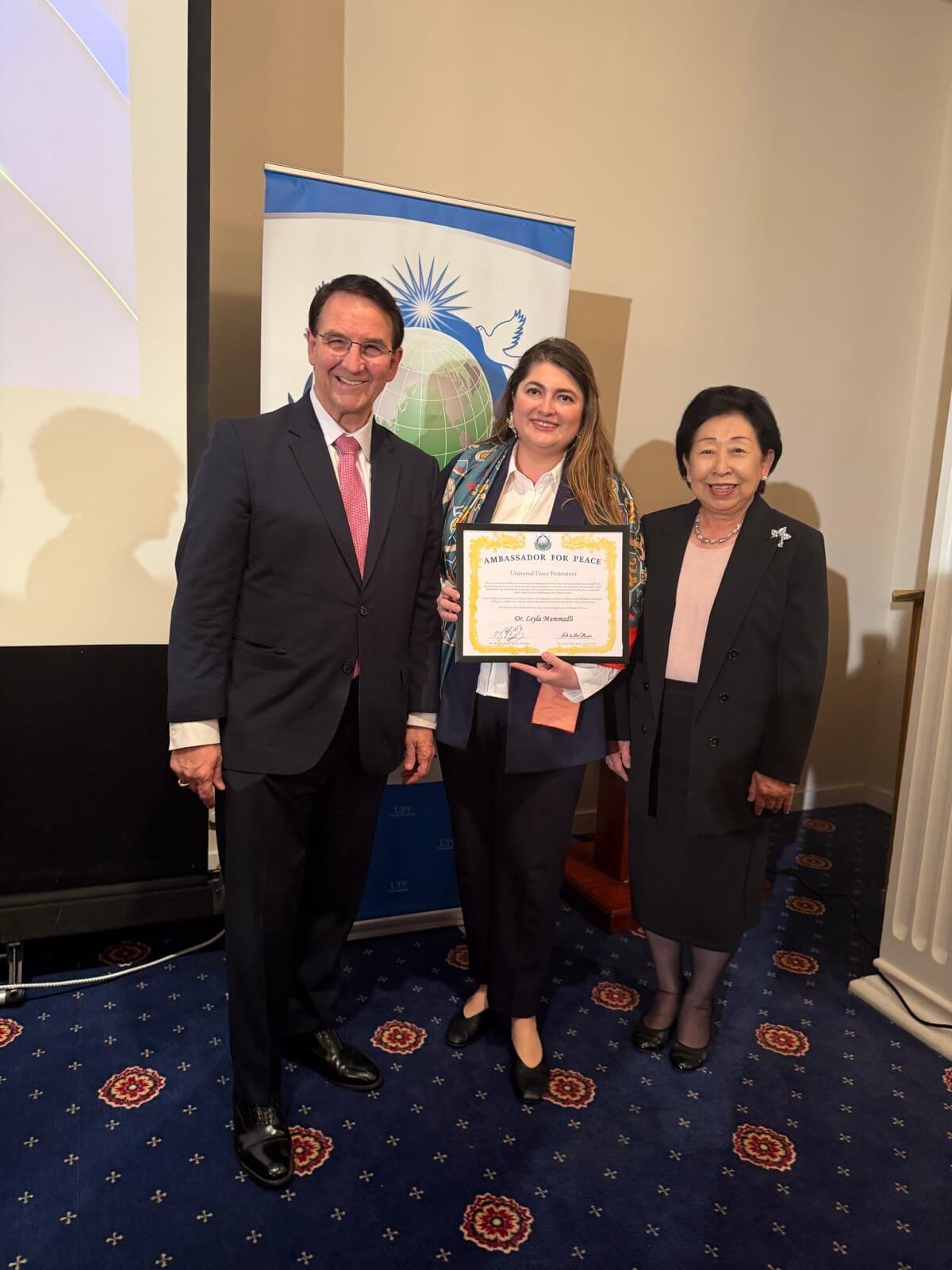
I was deeply honored to receive the Peace Ambassador Award. Yet this recognition is not a conclusion - it is a responsibility. It is a reminder that advancing peace requires sustained effort, innovative thinking, and cross-sector collaboration.
At the Cultural Diplomacy and Development Foundation, we see peace not as an abstract ideal, but as a daily practice. Through dialogue, cultural engagement, and inclusive platforms, we work to bridge divides and foster cooperation across regions and communities. These efforts may not always make headlines, but they lay the groundwork for lasting stability.
For policymakers in Washington, the message is clear: peace must be treated as a core component of U.S. strategy, not an afterthought. Investing in cultural diplomacy, supporting people-to-people engagement, and strengthening regional cooperation are not peripheral activities - they are central to advancing American interests in a complex world.
Peace is not passive. It is proactive, deliberate, and essential.
And in this moment of global uncertainty, it is one of the most strategic investments we can make.
AZE.US