AZE.US
Property disputes often become one of the most difficult parts of divorce in Azerbaijan. The issue becomes even more complicated when the family home has no formal title deed, a situation still common in Baku, Sumgayit and the regions.
Under Azerbaijan’s Family Code, property acquired during marriage is generally treated as the joint property of both spouses. That rule can also matter in cases involving undocumented houses, though the legal result is not the same as dividing a fully registered apartment or private home.
Courts do not automatically legalize an undocumented or unauthorized building. Instead, they examine whether the house was built, purchased, expanded or improved during the marriage and whether both spouses contributed to it, directly or indirectly.
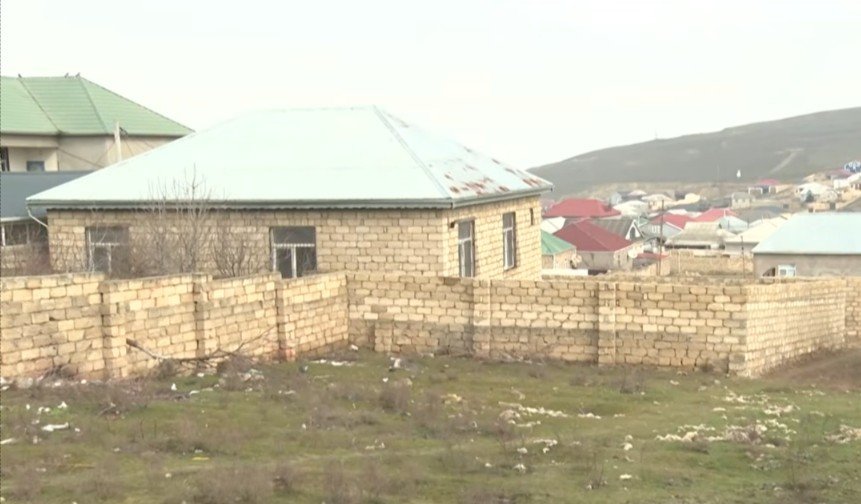
One case from Sumgayit shows how such disputes may be handled. A woman said she married in 2005 and lived with her husband for 18 years. During the marriage, the couple bought a plot of land in the Yashildere area. What began as a small structure was later expanded into a four-room house.
After the couple officially divorced in 2024, the woman went to court in 2025. She asked for the value of the house to be assessed and for her share to be determined. The court found her claim justified and recognized her right to half of the value of the property.
According to the case described in local media, the house was assessed and the former husband was ordered to pay her 26,000 manats in compensation for her share.
Legal experts say the key point is evidence. Even if the house has no full legal documentation, a spouse may still claim compensation if it can be shown that the property was created or improved during the marriage with joint resources.
But the distinction is important. A court decision in such a case does not turn the undocumented house into a legally registered property. It does not replace a title deed or serve as automatic grounds for registration in the state real estate registry.
What the court can do is establish that the asset was acquired or developed during the marriage and determine each spouse’s share in its value. In practice, that may lead to compensation rather than a physical division of the property.
A spouse seeking a share would need to present proof. This may include construction-related documents, photographs and videos, witness statements, municipal certificates confirming residence, or other evidence showing that the family lived there and invested in the house during the marriage.
For many families, this is not a theoretical issue. Across Azerbaijan, thousands of people live in houses built over many years without full paperwork. Families add rooms, renovate, spend savings and treat such homes as common property, even if the legal status remains incomplete.
The message from lawyers is clear: the absence of a title deed makes the case harder, but it does not automatically erase a spouse’s rights. If a house without documents was built or improved during the marriage, the other spouse may still have a claim - but only through court and only with solid evidence.
AZE.US