AZE.US
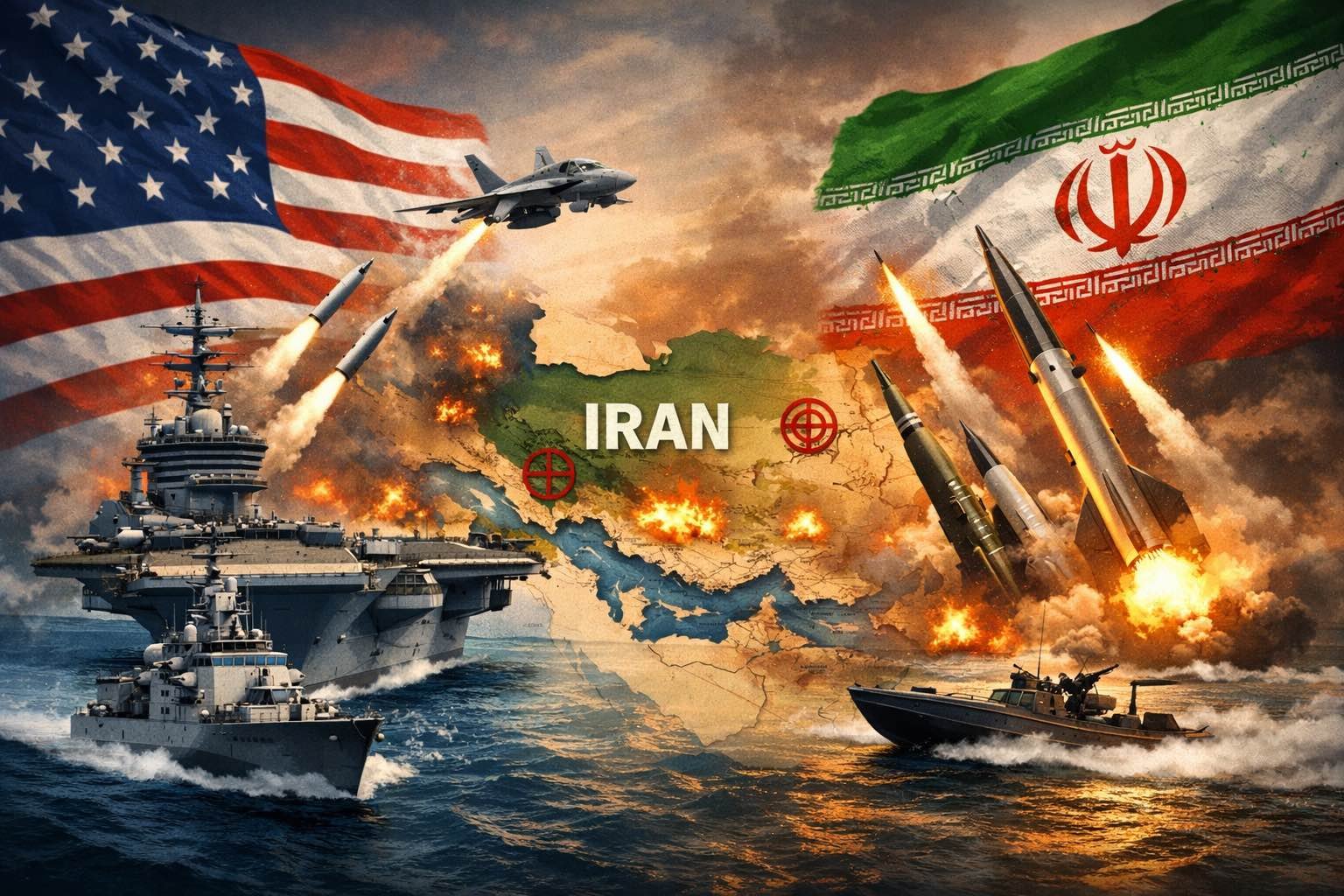
The United States has increased its military presence in the Middle East while continuing indirect talks with Iran, underscoring the fragile balance between diplomacy and deterrence in one of the world’s most volatile regions.
U.S. officials say the buildup is designed to reinforce deterrence and protect American personnel and allies. However, analysts warn that the visible deployment of additional naval and air assets also raises the risk of miscalculation at a time when negotiations over Iran’s nuclear program remain unresolved.
President Donald Trump has signaled that Washington is prepared to take further steps if diplomacy fails, though the administration has not publicly outlined specific military options. The Pentagon has described the deployments as defensive and precautionary.
Iranian officials have responded with firm rhetoric. President Masoud Pezeshkian said Tehran would not yield to pressure and would defend its national interests. Iranian authorities maintain that their nuclear activities are peaceful, while Western governments continue to press for stricter limits and expanded monitoring.
Nuclear Talks Face Familiar Obstacles
The core dispute remains Iran’s uranium enrichment program. U.S. officials have reiterated calls for limits that would prevent Tehran from reaching weapons-grade capability, while Iran insists on preserving what it describes as its sovereign right to civilian nuclear technology.
Diplomatic contacts have reportedly continued through intermediaries, including regional mediators. Yet neither side has announced a breakthrough, and public statements suggest significant gaps remain.
Former agreements collapsed amid disputes over sanctions relief and compliance. Observers say rebuilding trust has proven difficult, particularly after years of escalating sanctions, retaliatory measures and regional tensions.
Regional Risks and Oil Markets
Any escalation carries global consequences. The Strait of Hormuz remains a critical maritime corridor through which a significant share of the world’s oil supplies pass. Even limited disruptions in the area have historically triggered volatility in global energy markets.
Oil prices have shown sensitivity to the latest developments, reflecting investor concern over potential supply disruptions.
Security analysts caution that even a limited strike or incident at sea could quickly expand, drawing in regional actors and complicating efforts to contain hostilities.
Domestic Debate in Washington
Within the United States Congress, some lawmakers have called for greater oversight of any potential military action. Members of both parties have emphasized the need for congressional consultation, particularly if the situation moves beyond defensive measures.
The administration has not indicated that it is seeking authorization for new military operations, but officials have said all options remain available.
What Comes Next
Diplomats say the coming weeks will be critical. A temporary de-escalation could open space for a phased agreement addressing enrichment levels and sanctions relief. Alternatively, further military signaling by either side could narrow the path to compromise.
For now, Washington appears to be combining pressure with continued engagement, while Tehran seeks to project resilience without closing the door to talks. The outcome may depend less on rhetoric and more on whether both sides can define limited concessions that avoid appearing as strategic retreats.
The region has entered another period of heightened uncertainty – one where diplomacy continues, but under the shadow of force.