AZE.US
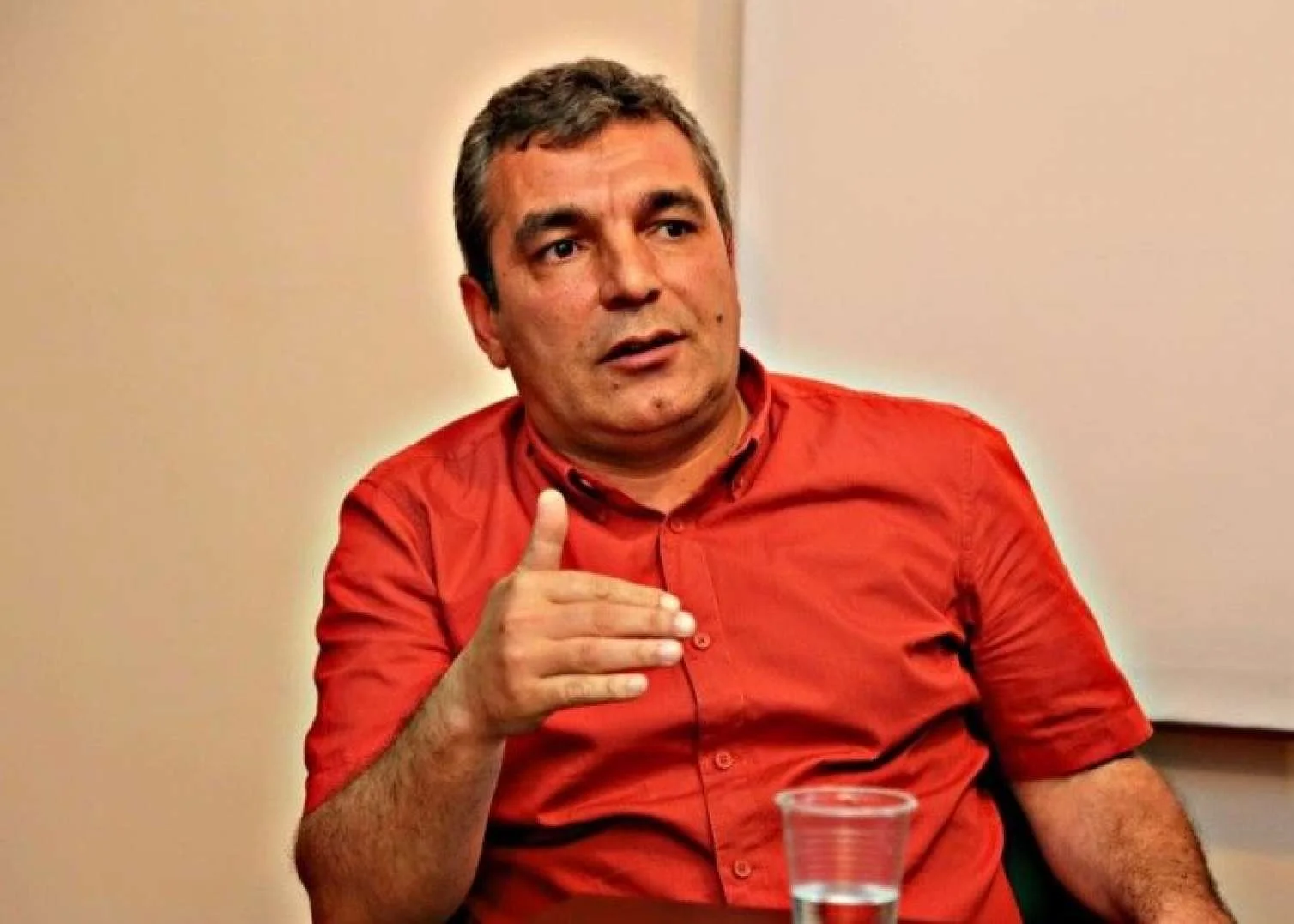
REAL party chairman Natig Jafarli says Iran’s attempt to use the Strait of Hormuz as leverage may work during wartime, but could quickly turn into a serious threat to Tehran itself once the fighting stops.
In a new commentary, Jafarli argued that even if the war were to end tomorrow and the United States, Israel and Iran all declared victory, one central question would remain unresolved: what happens next in Hormuz?
According to him, the Strait of Hormuz is not Iran’s internal waterway, yet Tehran has managed to turn it into an effective pressure tool. The problem, he said, is no longer limited to direct attacks. The wider impact now comes from wartime risk itself, as shipping companies and insurers treat the route as too dangerous.
Jafarli noted that even tankers passing through Omani waters or only stopping at ports are now seen as vulnerable, which is why many vessels are reluctant to take the risk. In his view, this gives Iran leverage only while the war is active.
Once the war stops, however, that leverage could begin to collapse.
He argues that if U.S. forces pull back, Israeli strikes end and ships start moving again through the Omani-controlled part of the strait, Iran would face a different calculation. At that point, continued attacks on shipping would no longer look like part of a war environment, but a direct escalation with broader consequences.
Jafarli put it bluntly: Tehran cannot expect to keep attacking ships and at the same time rely on the war atmosphere that made such pressure possible in the first place. In that sense, Iran’s “Hormuz tool” is effective only as long as the conflict continues. Once the war ends, that tool risks losing its force.
He also warned that if Iran were to keep targeting ships after the fighting stops, Gulf states could respond by hitting vessels leaving Iran. That would create a far more dangerous scenario for Tehran, because the country itself remains deeply dependent on the same route.
According to Jafarli, around 90% of Iran’s oil exports and roughly 75% of its foreign trade pass through Hormuz. That means the strait is not just a pressure point against others. It is one of Iran’s own most critical economic lifelines.
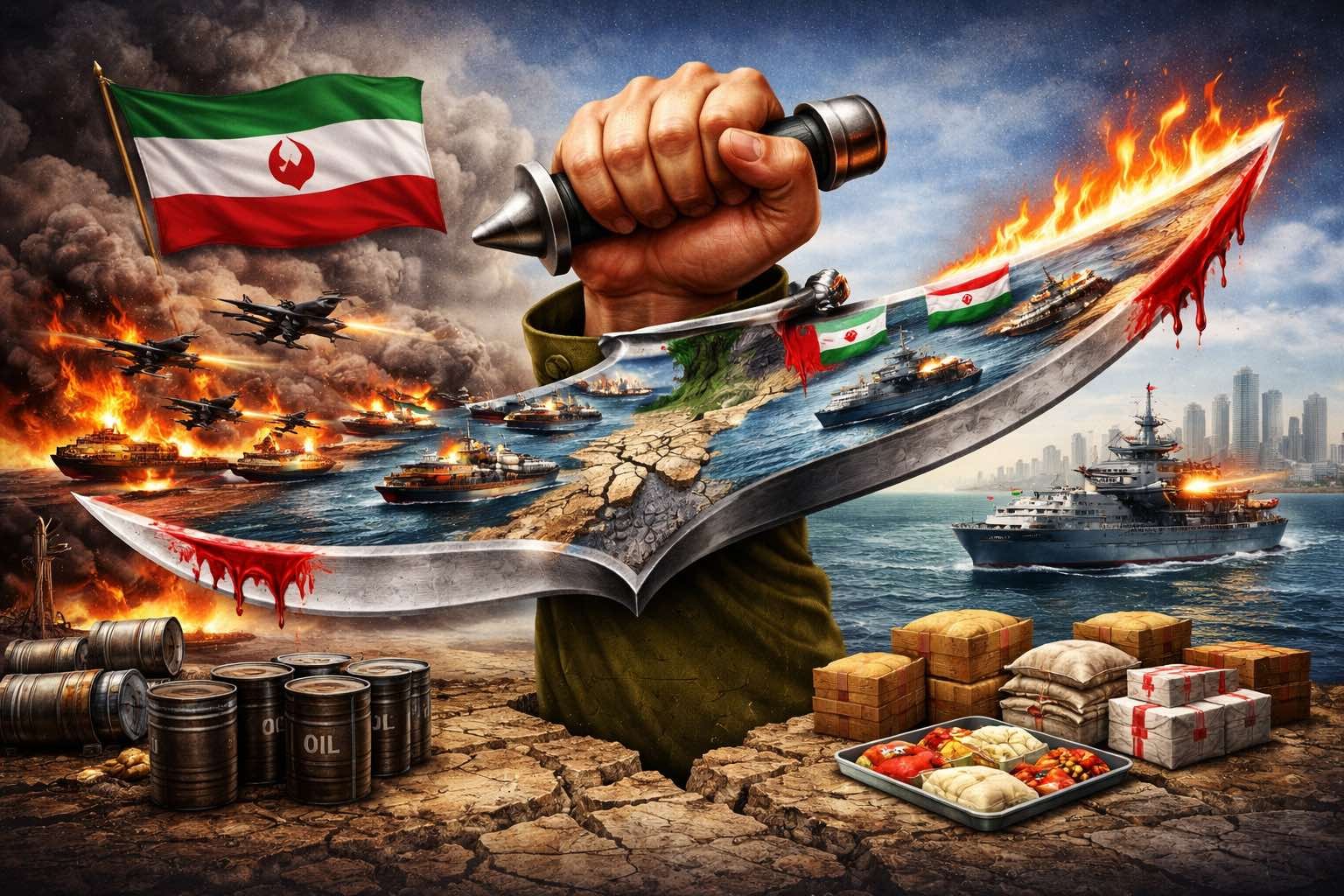
That is why he describes Hormuz as a double-edged knife for Tehran. Iran can use it to threaten others, but it can also end up cutting itself. If the strait is effectively blocked from both sides, Iran could face shortages of food, medicine and other essential goods, while domestic frustration could rise sharply once again.
In Jafarli’s reading, the Hormuz issue is therefore far more complicated than wartime rhetoric suggests. During active conflict, it can function as a strong coercive tool. But in a postwar setting, the same strategy could expose Iran to economic damage, supply disruption and renewed internal unrest.