AZE.US
Four years into the war in Ukraine, the question is no longer whether the conflict has reshaped Europe’s security architecture – it has. The more pressing issue now is whether the strain of prolonged warfare is pushing Russia toward a systemic inflection point.
When Moscow launched its full-scale invasion in February 2022, the Kremlin appeared confident in several assumptions: that Ukraine would collapse quickly, that Western unity would fracture under pressure, and that sanctions would be manageable. None of those calculations fully materialized as expected.
Ukraine did not fall. Western military support, though gradual and often debated internally, proved sustained. NATO expanded, with Finland and Sweden joining the alliance – the opposite of Moscow’s pre-war demand to halt NATO enlargement.
The battlefield has since settled into a grinding war of attrition. Russia retains significant military capacity and continues offensive operations in parts of eastern Ukraine. However, the cost has been high. Western estimates place Russian casualties in the hundreds of thousands, while waves of emigration have affected segments of the country’s educated and working-age population.
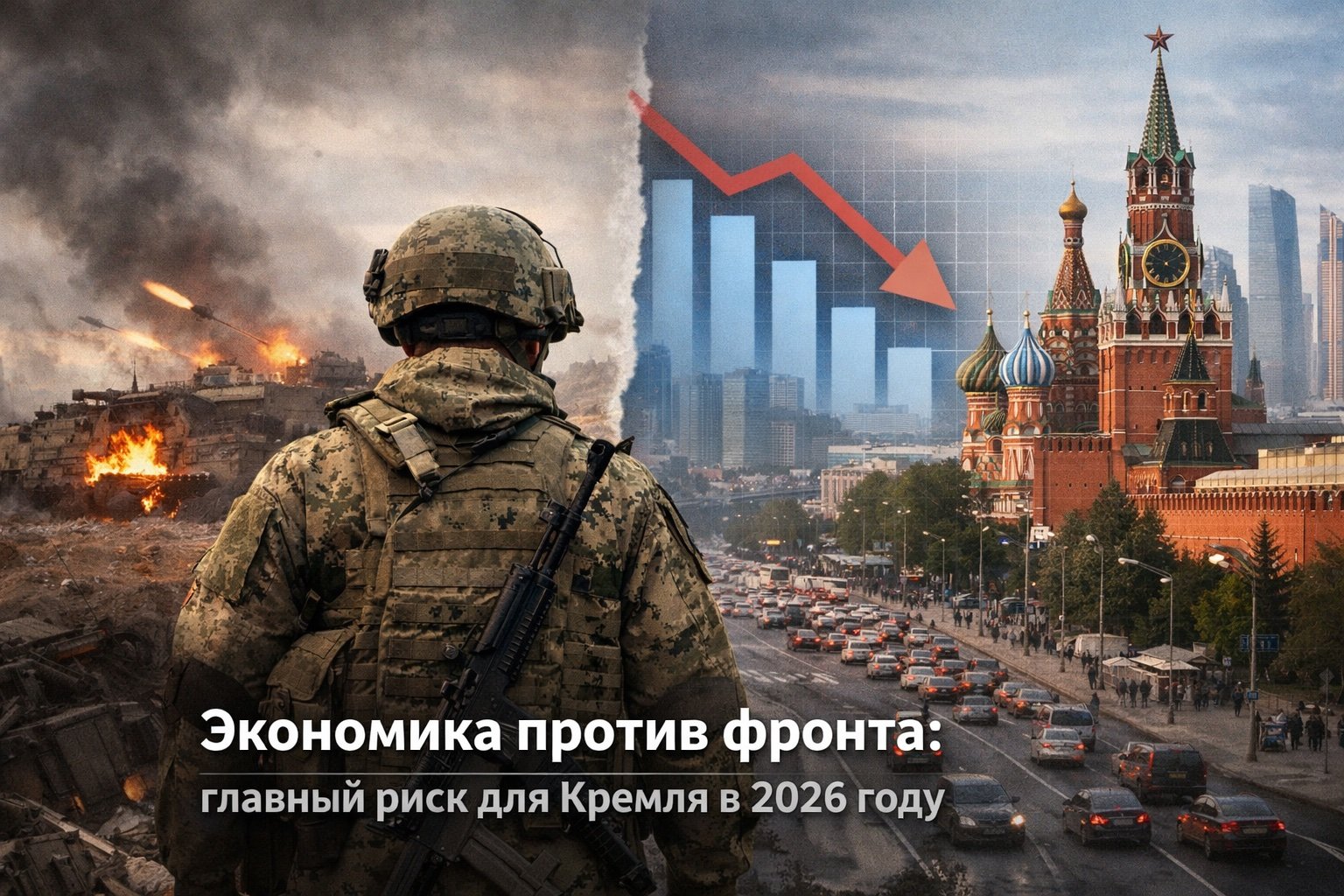
The economic dimension is increasingly central. Sanctions targeting advanced technologies, financial channels, and energy revenues have not collapsed the Russian economy, but they have narrowed its room for maneuver. Military spending has surged, placing additional pressure on federal finances. The longer the war continues, the more the state must balance defense expenditures against domestic stability.
Russian officials publicly project resilience. Yet independent analysts point to structural vulnerabilities: demographic decline, technological isolation, and a growing dependence on parallel import schemes and non-Western trade corridors. Inflationary risks and budget deficits remain manageable for now, but the sustainability of wartime economic mobilization is under closer scrutiny.
Several Russian economists have warned that 2026 could be a more difficult year than the previous ones, as cumulative pressures compound. Whether that translates into a systemic crisis – or merely a period of slower growth and tighter fiscal management – remains uncertain.
Politically, the Kremlin faces a delicate equation. Ending the war without clear strategic gains carries reputational risks at home. Continuing it indefinitely risks deeper economic strain. A potential ceasefire – rather than a comprehensive peace settlement – could emerge as a pragmatic middle ground, freezing the conflict without resolving its underlying causes.
For Ukraine, the war has accelerated military innovation and deepened integration with Western defense systems. European governments increasingly discuss Kyiv not only as a recipient of support, but as a future pillar of regional security. That shift alone marks a strategic outcome Moscow did not intend.
Whether summer becomes a turning point will depend less on a single military breakthrough and more on economic indicators, fiscal sustainability, and political calculations in Moscow. Systemic crises rarely arrive overnight; they develop through accumulation.
The trajectory suggests that Russia’s strategic environment is more constrained today than it was four years ago. The decisive question is not whether pressure exists – it does – but whether it will reach a threshold that forces a fundamental shift in policy.