AZE.US
Armenian Prime Minister Nikol Pashinyan did not attempt to defend Georgia during his remarks in the European Parliament but was instead addressing Armenia’s internal political audience, political analyst Vadim Dubnov said.
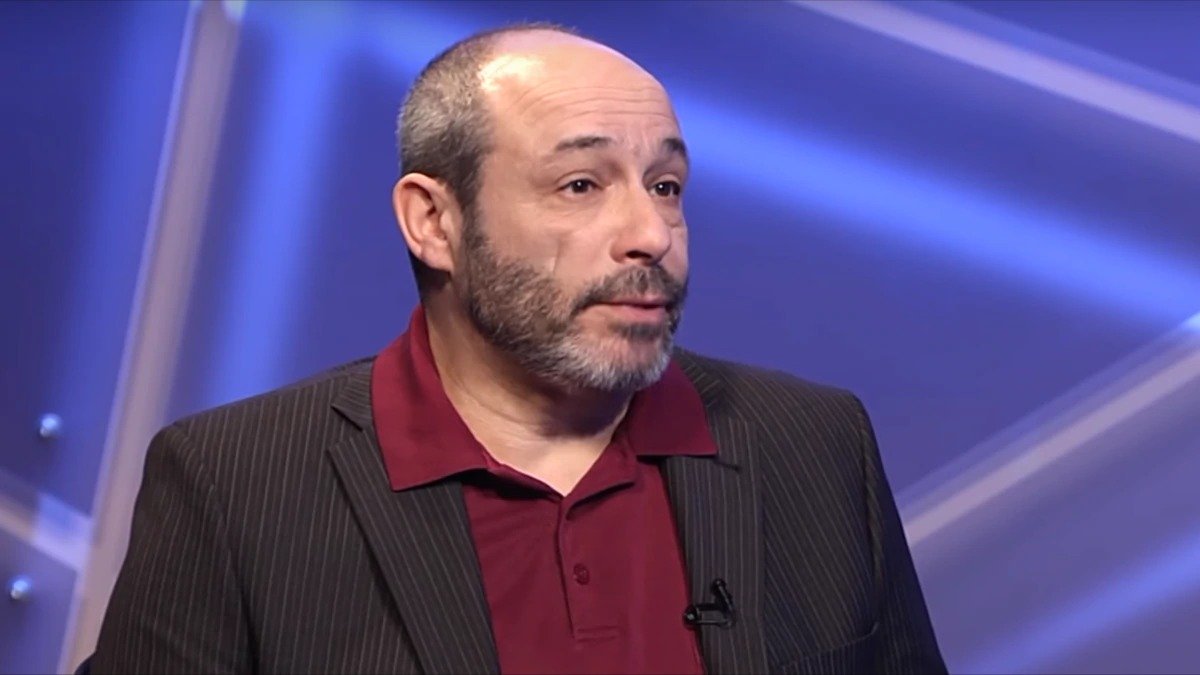
Dubnov made the comments during a discussion on the YouTube program News of the Caucasus, where he analyzed Pashinyan’s recent speech and the political context behind it.
According to the analyst, the Armenian leader’s call for renewed dialogue between the European Union and Georgia should not be interpreted as a direct appeal to Brussels or a political intervention in Georgia’s affairs.
“I did not see any demand directed at Europe there,” Dubnov said. “He simply expressed a desire for the dialogue to resume, without assigning blame or calling on anyone to take specific action.”
In Dubnov’s view, Pashinyan’s remarks were primarily aimed at explaining developments to the Armenian public, particularly regarding the pace of Armenia’s European integration and delays in regional infrastructure projects.
The analyst noted that Armenian authorities are increasingly facing questions from the public about the country’s foreign policy trajectory and economic expectations.
Dubnov also argued that Armenia’s defeat in the Karabakh conflict has become a central factor shaping domestic politics.
According to him, Pashinyan has managed to transform the political consequences of the war into a narrative that helps maintain his political position.
“He essentially tells society: yes, we lost the war, but if other political forces come to power, the consequences could be even worse,” Dubnov said.
The analyst believes the Armenian leadership is attempting to shift the country’s political discourse away from the traditional Karabakh-centered agenda that dominated Armenian politics for decades.
Dubnov also addressed broader regional developments, suggesting that the traditional concept of the South Caucasus as a single political region is gradually losing relevance.
Instead, he said, the countries of the region are increasingly operating within a wider geopolitical environment that includes the Middle East, the post-Soviet space, and the Black Sea region.
“Today we are seeing less of a unified South Caucasus and more of a part of a larger regional system where much bigger geopolitical processes are unfolding,” Dubnov said.