AZE.US
Diplomatic momentum between Azerbaijan and Armenia is steadily increasing. Negotiations continue, technical issues are discussed, and the outline of a possible peace agreement appears closer than at any time in recent decades.
Yet beneath the political process lies a far more complicated reality: governments can sign documents faster than societies can reconcile.
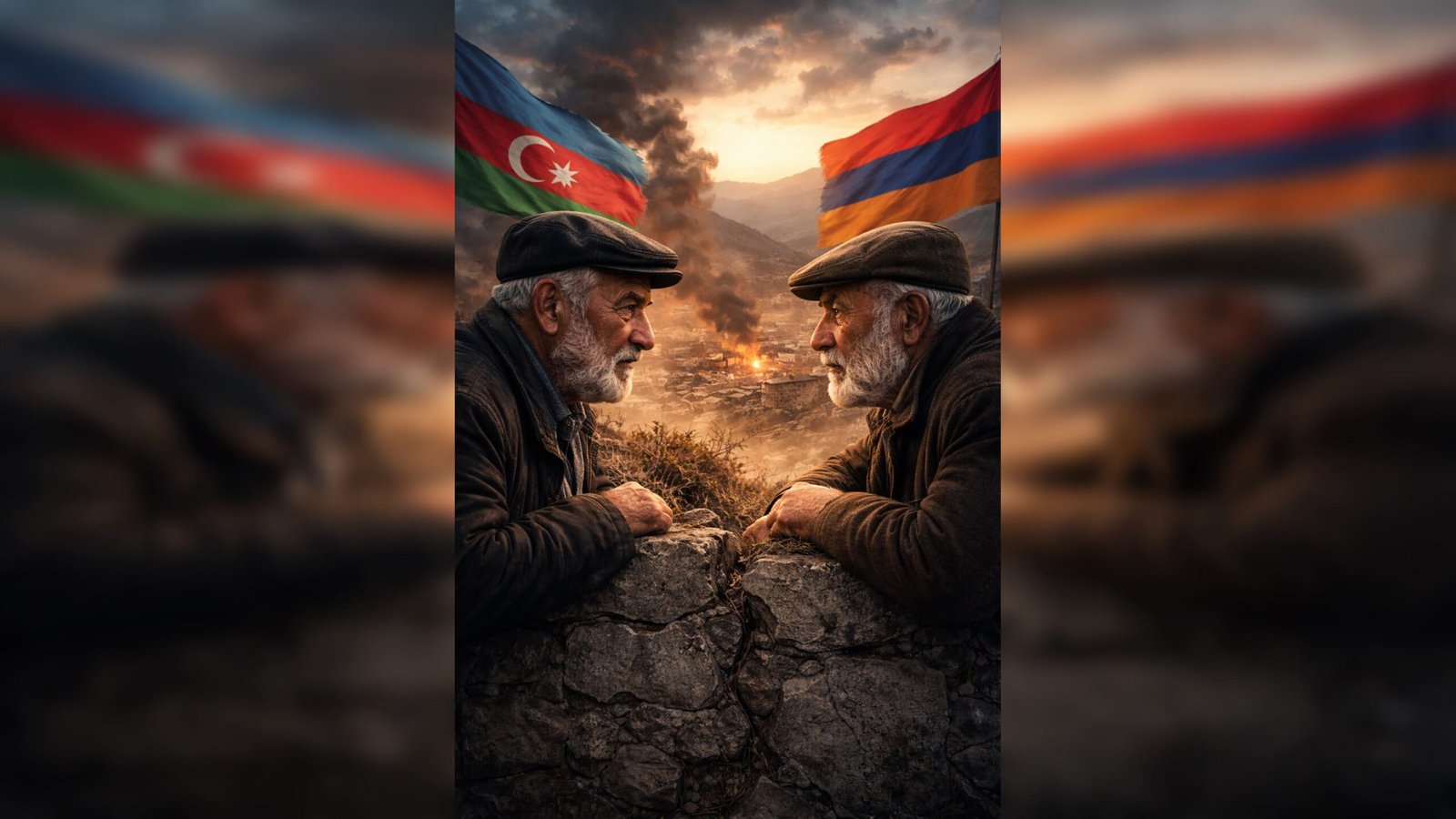
Recent expert-level meetings and civil society exchanges reveal a paradox shaped by more than thirty years of separation. Both societies have closely followed each other’s media, rhetoric, and political narratives. In that sense, they know almost everything about the other side. But genuine understanding – of fears, expectations, and lived experience – remains limited.
This gap between information and empathy defines the real challenge of post-conflict peace.
Public attitudes toward reconciliation are far from uniform. Social media often amplifies anger and distrust, while private conversations can sound more cautious, even pragmatic. Geography also matters. Communities that lived closest to the former front lines and experienced the risks of war directly are sometimes more inclined to value stability than those further away from conflict.
Such contrasts make any simple reading of “public readiness for peace” unreliable.
In Armenia, gradual political and economic engagement is beginning to influence the public mood. Dialogue platforms are expanding, and more participants are willing to discuss coexistence in practical rather than purely emotional terms. Acceptance of wartime outcomes is uneven, but the direction of change is visible.
For sustainable peace, this slow social shift may matter as much as any formal treaty.
History shows that reconciliation between states can happen surprisingly quickly. France and Germany fought devastating wars for generations before becoming strategic partners. But reconciliation between people follows a different timeline. Memory, loss, and displacement cannot be resolved through signatures or diplomatic ceremonies.
They fade only through time, contact, and new shared experiences.
Even decades after conflict, individuals on both sides continue to remember cities, homes, and graves left behind. These personal histories shape emotional realities that politics alone cannot transform. Any durable peace in the South Caucasus will therefore depend not only on transport corridors, trade, or embassies, but on the gradual rebuilding of human trust.
This is why peace should be understood not as a single event, but as a long process. Agreements may come first. Reconciliation will come later – if it comes at all.
And that difference in timing may ultimately define the future stability of relations between Baku and Yerevan.