AZE.US
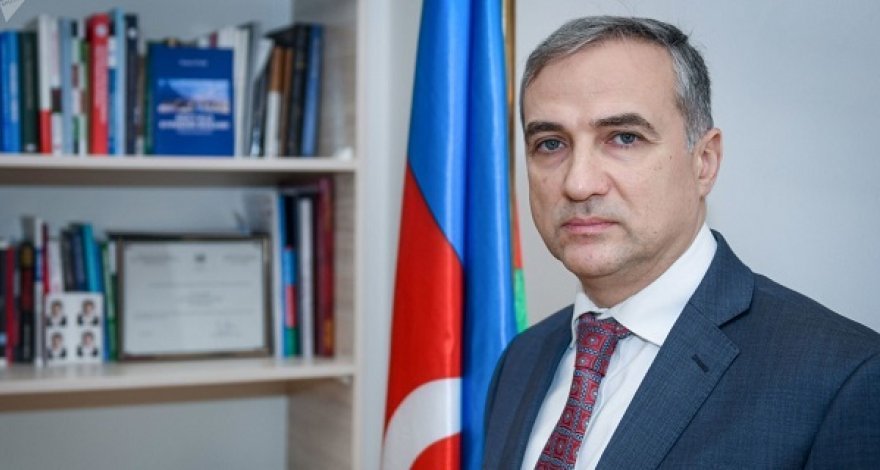
Russia is undergoing a post-imperial adjustment in the South Caucasus as traditional leverage mechanisms lose effectiveness, Azerbaijani political analyst Farid Shafiyev said, arguing that Moscow’s long-standing conflict-management model is eroding in the new regional environment.
Speaking during a televised discussion, Shafiyev stated that for decades Russia relied on a combination of security dependency, political mediation, and unresolved conflicts to maintain strategic influence in the region. That model, he said, is now under strain.
From Conflict Management to Influence Erosion
According to Shafiyev, one of Moscow’s primary instruments was the Armenia-Azerbaijan conflict, which allowed Russia to position itself as a central security arbiter.
“With the transformation of the regional security landscape, this instrument has significantly weakened,” he noted.
He argued that the diminishing utility of frozen or managed conflicts reduces Moscow’s ability to shape political outcomes in the South Caucasus in the way it once did.
Hybrid Tactics as Compensatory Tools
Shafiyev described what he sees as increased reliance on hybrid methods – including media narratives, cyber activity, and informational influence — as compensatory tools amid structural decline in leverage.
Hybrid pressure, he said, aims to shape domestic discourse, create uncertainty, and maintain indirect influence where direct mechanisms are no longer dominant.
At the same time, he emphasized that digital platforms have complicated information environments for all states, making such tactics more difficult to counter through traditional means.
U.S. Re-Engagement and Strategic Realignment
Addressing Western involvement, Shafiyev said U.S. engagement in the South Caucasus is not a new phenomenon, citing energy cooperation dating back to the 1990s. However, he suggested that Washington’s current posture reflects a broader strategic realignment that links the South Caucasus to Central Asia and wider Eurasian connectivity.
In his assessment, the regional balance is shifting not simply because of U.S. activism, but because of structural constraints facing Russia.
“Influence cannot be sustained solely through legacy mechanisms,” he said, suggesting that Moscow’s adjustment is shaped by both geopolitical competition and internal economic pressures.
Iran Variable and Escalation Risks
Shafiyev also warned that a potential escalation between the United States and Iran could significantly disrupt regional stability, affecting trade corridors, energy markets, and migration flows.
He reiterated that Azerbaijan’s strategic interest lies in diplomatic de-escalation and maintaining balanced relations with multiple actors.
A Transitional Moment
According to Shafiyev, the South Caucasus is entering a transitional phase marked by recalibration rather than abrupt rupture. Regional states are asserting greater autonomy, while external powers are redefining their approaches.
Whether Russia adapts to this evolving environment through cooperative economic engagement or continues to rely on influence through pressure will shape the long-term regional architecture, he concluded.