
AZE.US
A public debate has flared in Azerbaijan over anonymous donation in IVF procedures after reports of open advertising for sperm and follicle donation on social media.
According to the claims being discussed, some doctors and clinics allegedly look for donors who physically resemble one of the intended parents so that the child will not appear to have been conceived with donor material. Women are reportedly offered 500 to 800 manats for becoming follicle donors over a period of 10 days.
The issue has triggered legal and ethical concerns, including questions about a child’s right to know his or her biological origins and whether anonymous donation is being handled outside proper oversight.
Speaking to Bizim.Media, lawyer Akram Hasanov said the matter should be viewed through the lens of children’s rights.
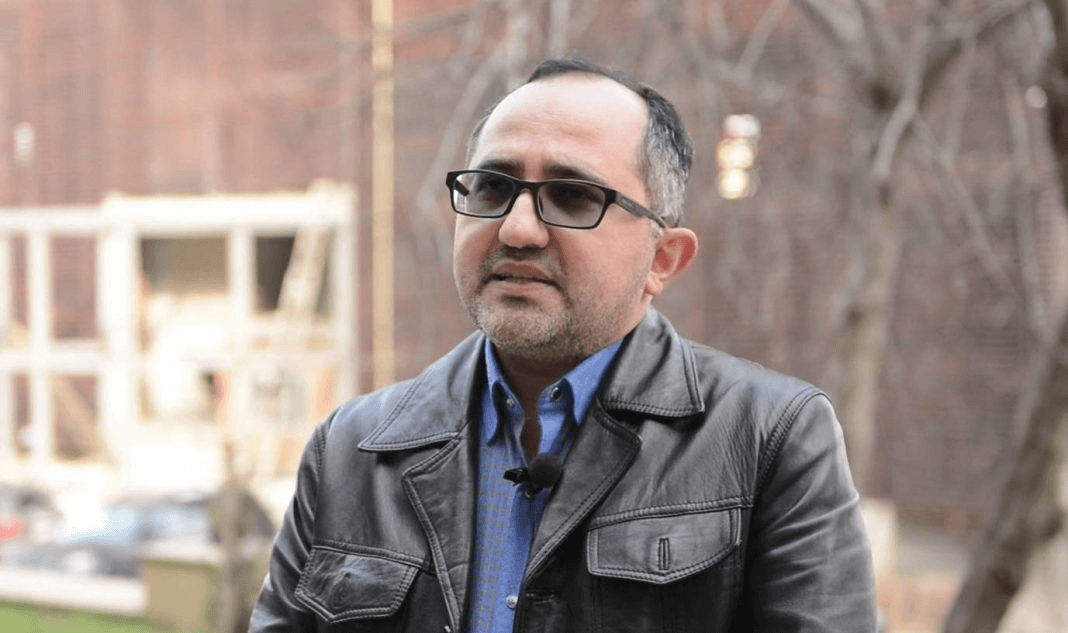
He pointed to the Convention on the Rights of the Child, to which Azerbaijan is a party, and said one of its key principles is a child’s right to know his or her parents. According to Hasanov, that is why many countries that have joined the convention, including neighboring Turkey, Russia and Georgia, do not allow anonymous artificial fertilization.
“Artificial fertilization may be allowed, but it should be known who the donor is. The child should know in the future who his biological father is,” he said.
Hasanov argued that anonymous sperm donation is not comparable to adoption secrecy. In adoption cases, information about biological parentage exists even if it is not publicly disclosed, he said. With anonymous donation, by contrast, a man may sell sperm to a clinic and the material may later be used without transparent registration, creating both legal and moral problems.
He said the most serious issue is that the rights of a child born through such a process may be violated from the start.
The lawyer also claimed there have been court cases involving alleged deception during IVF treatment. In such cases, he said, a husband may be told that the child will be biologically his, while the woman is told that conception from her husband is impossible and donor sperm will be used instead.
According to Hasanov, men often remain unaware of such arrangements and may only learn later that the child is not biologically theirs. In his view, that means the rights of the husband may also be infringed.
He further warned of a long-term social risk: if anonymous donation is poorly regulated and records are not properly maintained, children born from the same donor could later form relationships without knowing they are biologically related.
The controversy has renewed scrutiny of how fertility services are advertised and regulated in Azerbaijan, and whether current practice adequately protects the rights of children, spouses and families.
AZE.US