AZE.US
The South Caucasus is once again becoming a focal point of geopolitical competition. The war in Ukraine, rising tensions around Iran, and shifting global alliances are forcing major powers to reassess their strategies in the region.
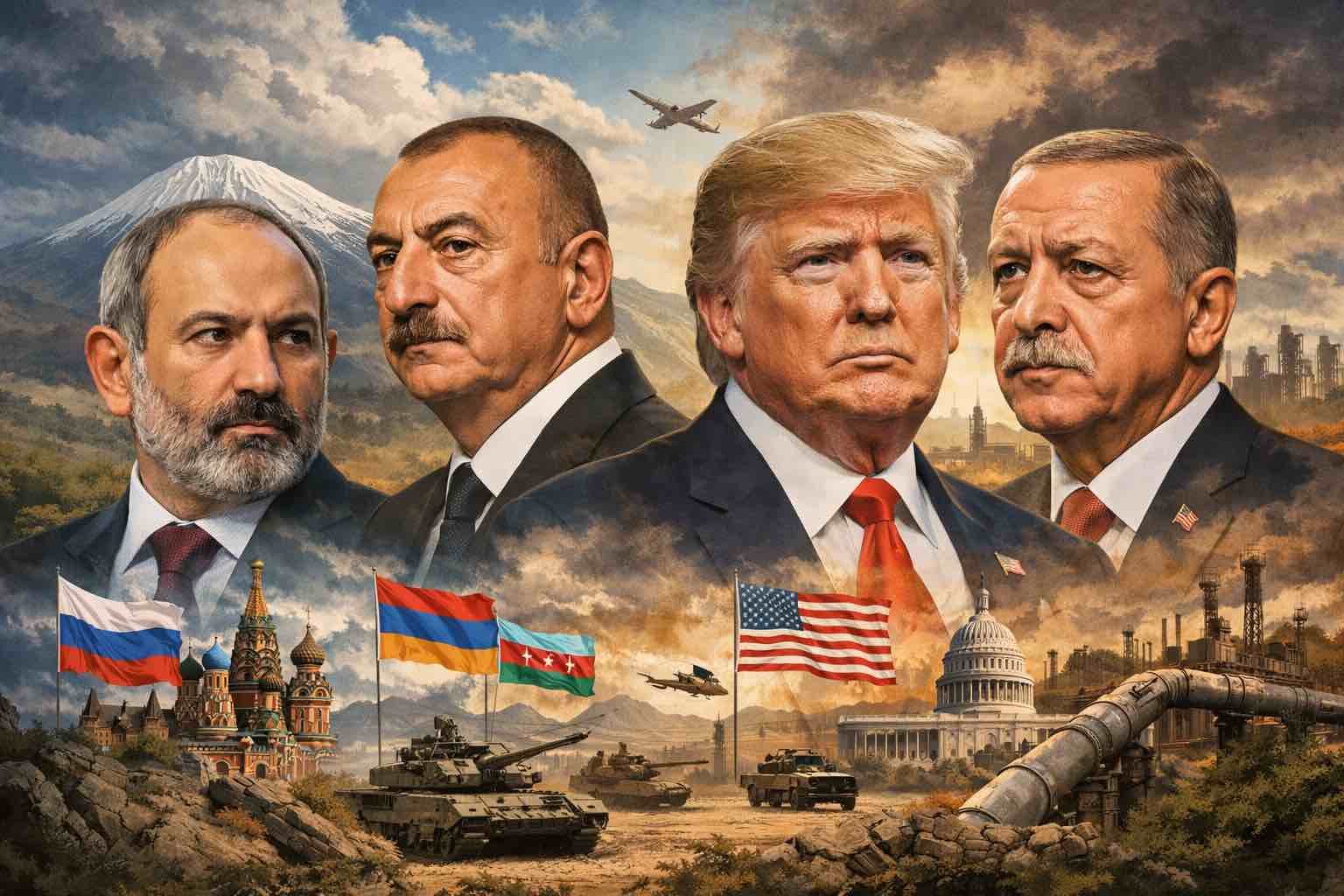
One question is increasingly being asked by analysts: which country will ultimately wield greater influence in the South Caucasus – the United States or Turkey?
At first glance, Turkey appears to have the advantage. Ankara has steadily strengthened its presence in the region over the past decade, particularly through its strategic partnership with Azerbaijan. Political coordination, defense cooperation and joint energy and transport projects have positioned Turkey as a major regional actor.
Yet the role of the United States is also becoming more visible. Washington has expanded diplomatic engagement in the South Caucasus and is seeking to shape regional dynamics through political initiatives and partnerships with several states.
Another key factor is the changing role of Russia. For decades Moscow was the dominant external power in the region. However, its influence has been challenged in recent years, especially as the war in Ukraine has redirected much of its political and military focus.
These developments are turning the South Caucasus into a space of overlapping geopolitical interests. Turkey operates as a regional power with deep historical, cultural and economic connections. The United States approaches the region as a global actor interested in energy routes, strategic transport corridors and broader regional stability.
At the same time, the countries of the South Caucasus are no longer simply passive players. Azerbaijan in particular has increasingly positioned itself as a central actor shaping regional dynamics through its energy resources, geographic location and active diplomacy.
For that reason, the question may not ultimately be whether the United States or Turkey will dominate the region. The more realistic outcome may be a balance of influence, in which several powers compete while regional states pursue their own strategic interests.
In that environment, the future of the South Caucasus will depend less on which external actor becomes strongest and more on how effectively the region’s countries navigate the competition around them.