AZE.US
Pistachio prices have risen sharply in Azerbaijan, especially for products imported from Iran, as regional instability and global market pressure begin to hit local food costs.
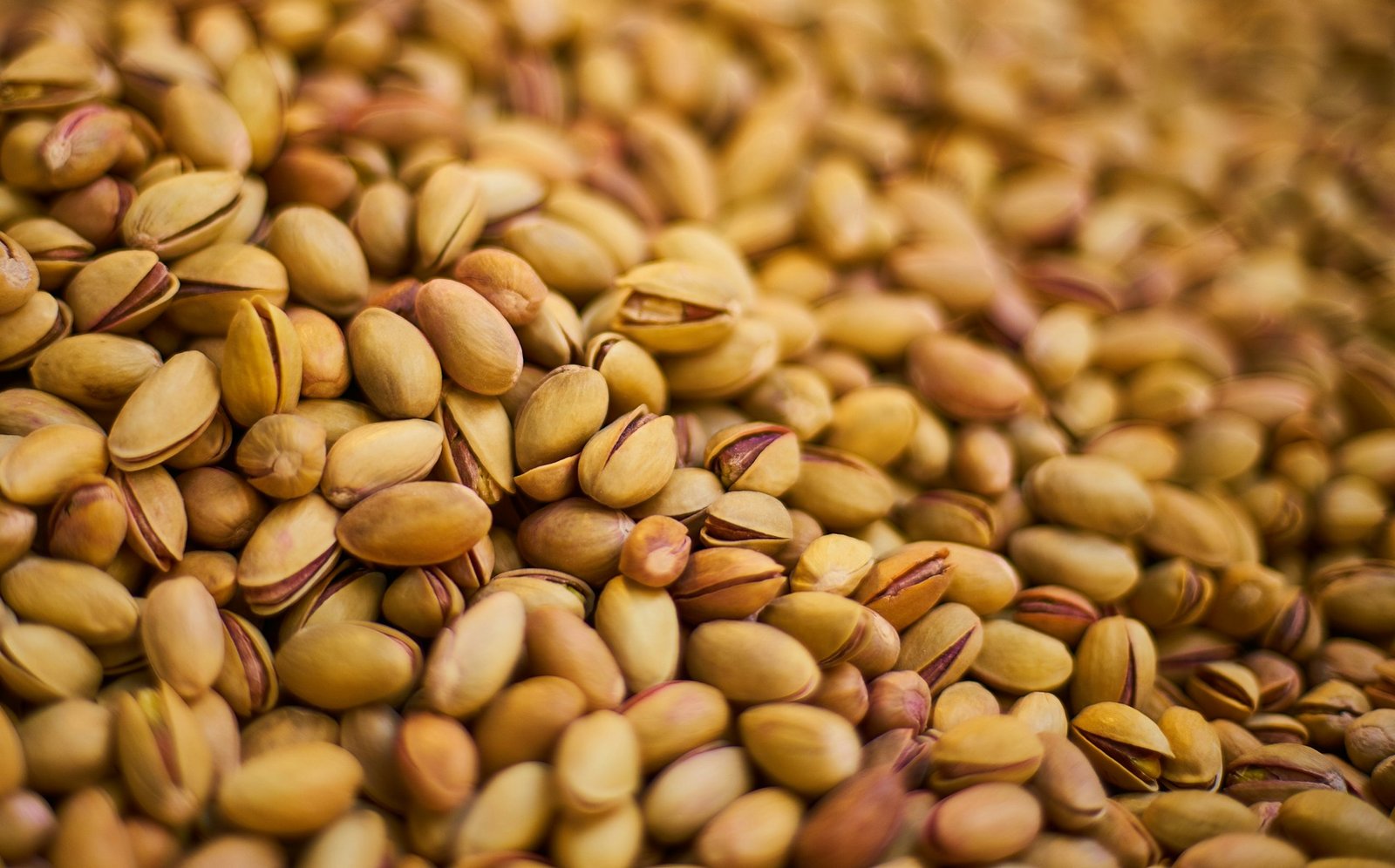
At markets in Baku, sellers say prices for Iranian pistachios have increased by 10 to 15 manats per kilogram compared with about a month ago. Depending on quality, Iranian pistachios are now selling for around 36 to 40 manats per kilogram. Some vendors say the same product was previously sold for 22 to 23 manats.
Turkish pistachios remain more expensive, with current prices around 55 manats per kilogram.
Market sellers say the biggest increases are being seen in Iranian pistachios and link the rise directly to the war and the disruption it has caused to supply channels. Buyers interviewed at the markets also said they have already felt the jump in prices.
Economist Khalid Karimli said pistachio production is concentrated mainly in Iran, the United States and Turkey, and that Iran and the United States together account for about 90 percent of global output. Because of that, price shifts in those countries quickly affect the broader market.
He said Azerbaijani importers are facing growing difficulties in dealing with Iran, including problems with payments and the organization of trade operations. War-related risks and supply uncertainty are now feeding directly into retail prices in Azerbaijan.
The pressure on prices, however, did not begin with the latest escalation alone. According to the assessment cited in the report, expectations of a weak harvest in Iran in 2025 and internal instability had already pushed pistachio prices upward before the conflict intensified.
Another factor is rising international demand. The report says the growing global popularity of Dubai chocolate, which often uses pistachio filling or cream, has also added pressure to the market.
That means the increase in Azerbaijan is being driven not by one single shock, but by several forces at once: disrupted imports from Iran, higher transaction risks, weaker expected supply, and stronger worldwide demand.