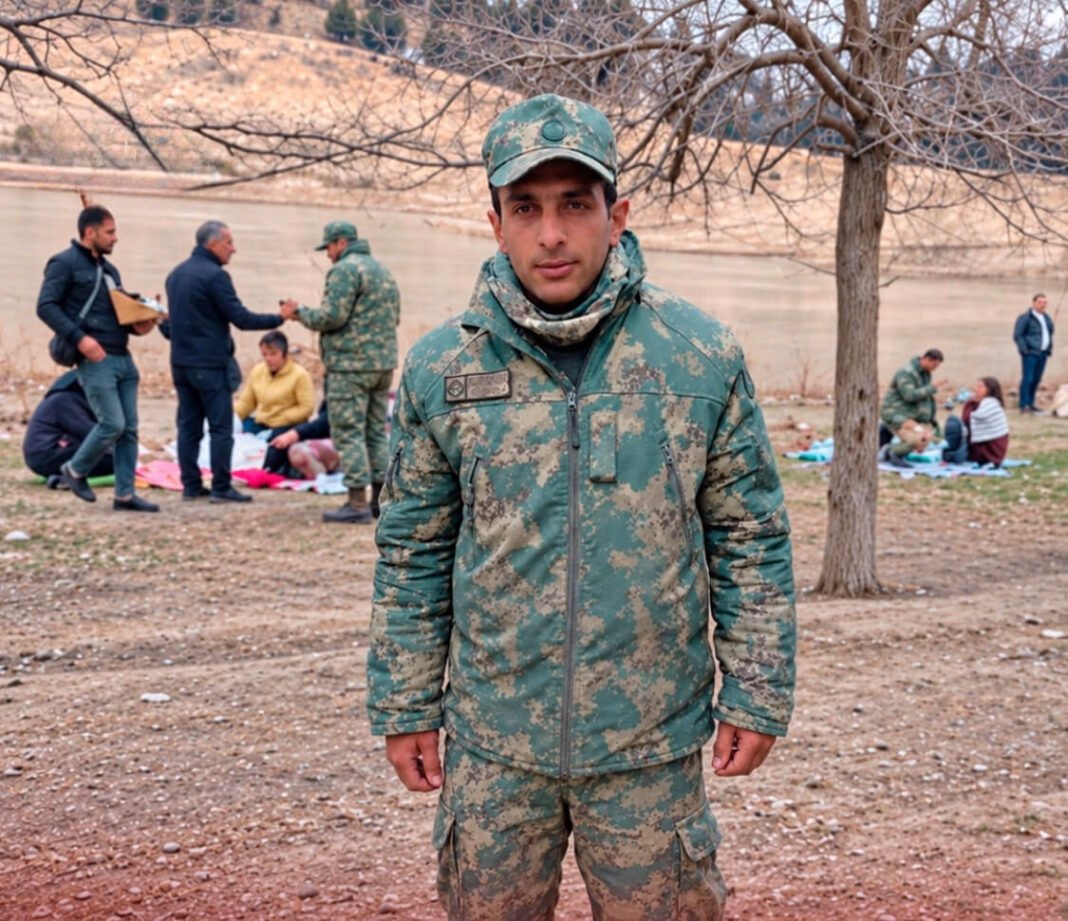
BAKU, Azerbaijan - The reported route taken by an Azerbaijani serviceman detained in Armenia raises questions about surveillance and patrols on the Armenian side of the border, military expert Sakhavat Mammad said.
Mammad was commenting on reports that the serviceman was detained in Armenia’s Syunik region, at a location he described as about 10 to 12 kilometers (6 to 7.5 miles) in a straight line from the position the soldier had left, Vesti Baku reported.
The expert told Globalinfo.az that the serviceman’s movement may have gone undetected because of weaknesses in observation at forward posts and in technical monitoring.
Mountainous terrain, ravines and forested areas make surveillance difficult, Mammad said, but in his view do not remove responsibility from the forces assigned to monitor the area.
“If one soldier was able to move 12 kilometers inside Armenia over five days, it points to serious problems in the observation and patrol system,” he said.
Mammad also focused on communication between the two countries’ security services. He said Armenian media reported that Azerbaijan’s State Security Service contacted the Armenian side and informed it about the incident.
That exchange of information may have prevented a dangerous misreading of the serviceman’s presence, the expert said. Without such notification, he argued, the incident might have been interpreted as the infiltration of a sabotage group, increasing the risk of an armed escalation.
Mammad further said understandings between Baku and Yerevan call for the prompt reciprocal return of servicemen who cross the border by mistake or for personal reasons, provided they did not carry out a deliberate provocation. On that basis, he said he expected the soldier to be returned to Azerbaijan.
His comments represent an expert assessment, not an official announcement of a release. An Armenian court earlier ordered the Azerbaijani serviceman held for two months while the case proceeds, as AZE.US previously reported.