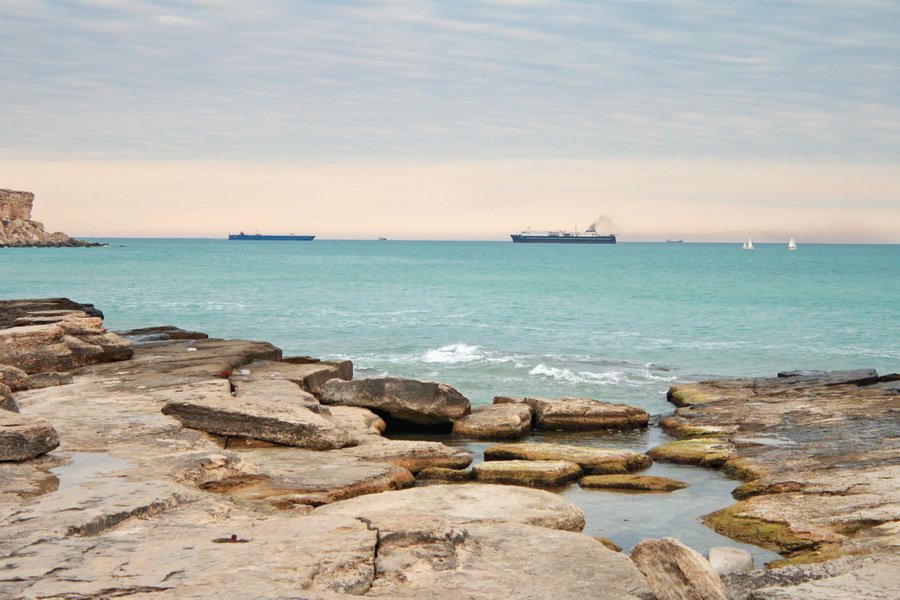
The Caspian Sea’s falling water level is being driven primarily by climate change and human activity.
If current trends continue, the shoreline could retreat by kilometers in some areas.
Researcher Saida Zeynalova said three main factors affect the Caspian’s level: climate change, tectonic processes and human pressure. The current pace of decline, however, indicates that climate and human activity are playing the decisive roles.
Pollution of coastal areas by household waste and wastewater is creating an additional problem.
At the same time, the sea’s retreat is opening new opportunities for scientific research. Geological formations, remains of ancient forests and sediment deposits are being uncovered in areas that were previously submerged, allowing scientists to study the Caspian’s history.
The reduction in river inflows is a particular concern. Specialists are calling for greater attention to the efficient use of water resources, including in agriculture.
The Caspian’s decline is already creating problems for shipping and transit freight.
Any dredging of shipping channels must account for environmental consequences because such work can disrupt natural habitats and fish spawning grounds, including those of rare species.
Experts say coastal areas require continuous monitoring, stronger environmental controls and coordinated action among the Caspian littoral states.
Without a comprehensive approach, the shrinking Caspian could develop from an environmental problem into a serious economic crisis for the entire region.