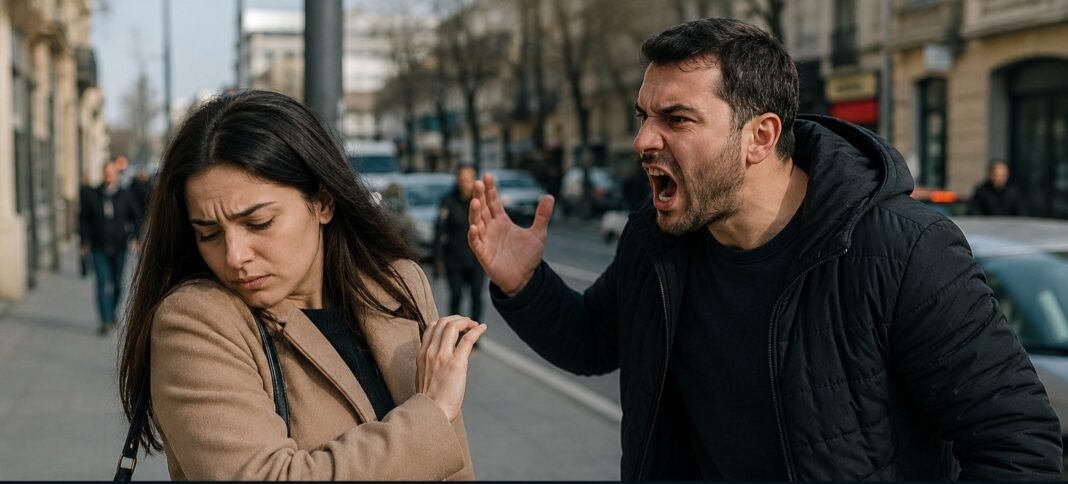
Fear of an abuser, pressure from relatives and concern for children are among the main reasons domestic-violence victims in Azerbaijan may not contact police, specialists say.
Psychologists warn that threats and manipulation can keep people in dangerous relationships. Effective assistance may therefore require both legal protection and psychological support.
When Repeated Violence Becomes a Criminal Offense
Article 133.1 of Azerbaijan’s Criminal Code covers repeated beatings or other violent acts that cause severe physical pain or psychological suffering without producing the serious or less-serious injuries addressed by Articles 126 and 127.
The possible penalties are corrective labor, restriction of liberty or imprisonment, each for up to two years.
In a decision dated September 22, 2026, Azerbaijan’s Constitutional Court said the “systematic” element under Article 133.1 requires three or more interrelated incidents carried out as part of a single course of conduct. Authorities must also assess the intensity of the violence, the nature of the victim’s suffering and the circumstances of the case.
This does not mean a victim must wait for a third assault before seeking protection. A first or second incident may still result in criminal or administrative liability depending on the conduct and its consequences.
Protection Orders and Court Fees
Azerbaijani law provides short- and long-term protection orders. A court may issue a long-term order for 60 to 180 days. An order can prohibit repeated violence, attempts to locate a victim whose whereabouts are unknown to the aggressor and other conduct that disturbs the victim.
Domestic-violence victims are exempt from the state fee when applying to a court for a long-term protection order. The exemption was enacted on December 30, 2025.
How to Seek Help
Anyone facing an immediate threat should move to a safe place if possible and contact Azerbaijan’s police call center at 102.
People with injuries should seek medical care and have the injuries documented. If it is safe to do so, victims may also preserve threatening messages, photographs, medical records and witness information. A police statement should describe earlier incidents as well as the most recent one, including dates or approximate times.
Information about available services and psychological counseling is offered through the 860 Support Line, created by Azerbaijan’s State Committee for Family, Women and Children’s Affairs and the United Nations Population Fund. Call 860 from a landline in Baku or 012-860 from a mobile phone or from the regions.
Fear for children or pressure from relatives does not remove a victim’s right to protection. Seeking assistance should not be postponed until violence causes more serious harm.
Sources: Vesti Baku; Constitutional Court decision; protection-order law amendment; state-fee exemption law; 860 Support Line; Interior Ministry 102 call center.