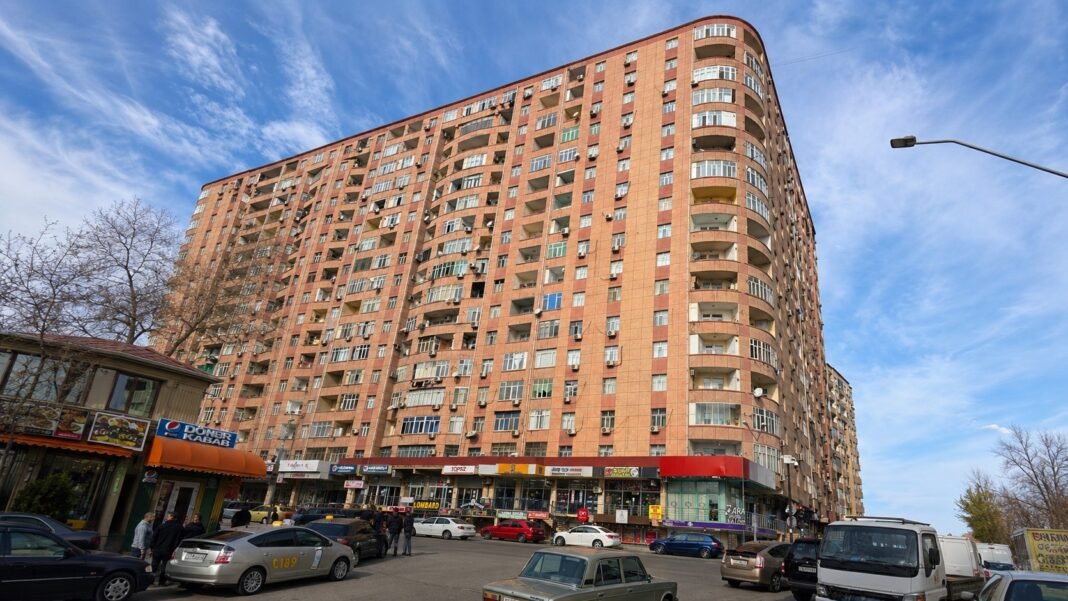
Azerbaijan is considering a change to the way value-added tax is calculated when apartments are resold. Under draft amendments being debated in the Milli Majlis, VAT would be assessed only on the difference between a home’s purchase price and resale price, rather than on the full sale value.
The measure is included in a proposed amendment to the Tax Code and would primarily affect companies that buy apartments from individuals, renovate them and then resell them.
A 200,000-Manat Purchase and 250,000-Manat Sale
Real estate expert Firdovsi Khalilov explained the proposal with an example. If a company buys an apartment for 200,000 manats and later sells it for 250,000 manats, VAT under the current approach may be calculated on the full sale price.
Under the proposed mechanism, the taxable base would be only 50,000 manats - the difference between the acquisition and resale prices. At the standard 18% VAT rate, the tax would be 9,000 manats instead of 45,000 manats if assessed on the entire sale amount.
The tax burden on such transactions could therefore fall substantially.
The proposal concerns qualifying company transactions. It would not automatically impose VAT on every apartment sale between private citizens.
Why the Change Matters
Khalilov said professional market participants rarely buy and resell apartments through legal entities under the current system because the high tax burden makes such transactions economically unattractive.
As a result, some deals are registered to individuals, while corporate activity involving the acquisition, renovation and resale of homes on the secondary market remains limited.
If the law changes, renovation and brokerage companies could invest more of their available funds in real estate, Khalilov said. They could buy apartments, renovate them and offer completed homes for sale. Renovation expenses would be taken into account when taxable profit is determined under the applicable rules.
Which Transactions Would Qualify?
The proposed mechanism includes specific conditions. It would apply to apartments purchased from individuals through cashless payment and resold within three years.
The measure would therefore not exempt all real estate transactions from tax. Existing tax rules for transactions by private individuals - including provisions related to how long someone has been registered at a residential address - are separate from the proposed VAT calculation for companies.
Would Apartment Prices Fall?
Despite the expected reduction in companies’ tax burden, Khalilov does not forecast a significant fall in housing prices. He said the new rules are unlikely to reduce or stabilize prices on the secondary market.
Instead, he expects the main benefits to be better conditions for professional market participants, more transparent transactions and additional investment in real estate.
In the medium and long term, authorities also expect the expansion of officially registered transactions to have a positive effect on tax revenue.
Source: Vesti Baku.