AZE.US
Dairy products in Azerbaijan are becoming more expensive, adding pressure to household budgets as the cost of imports rises and local production struggles to fully meet demand.
According to figures cited by Baku TV, Azerbaijan’s spending on milk and cream imports increased by 61% in the first months of this year compared with the same period last year. Import volumes also rose, showing that the country is buying more dairy products from abroad - but at a higher cost.
Experts say imported milk and dairy products have become 19% more expensive. They link the increase to higher global energy costs, geopolitical uncertainty, limited logistics capacity and rising insurance expenses for international shipments.
That matters for Azerbaijan because the domestic market remains partly dependent on imports. Agricultural production has grown, but local output is still not enough to fully cover demand. As a result, prices inside the country remain exposed to changes in global markets.
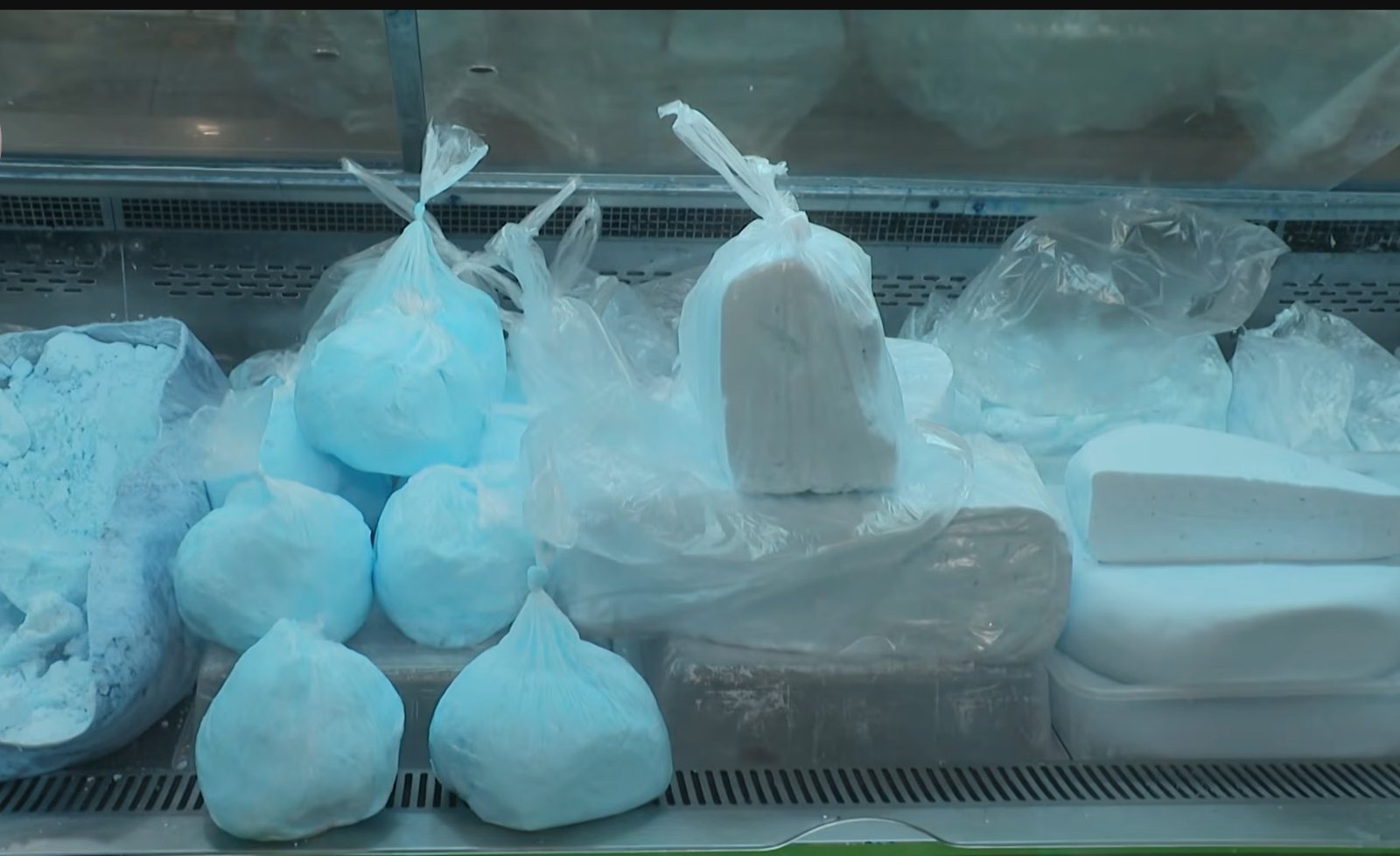
Sellers say the pressure is already visible in bazaars. Cheese is being offered at around 10 manats, butter at up to 25 manats, and cream at about 10 manats, according to prices mentioned in the report. Traders say village-made products are more expensive because of labor, transport and lower supply from rural areas.
Some sellers say demand remains strong, while the amount of product coming from villages has fallen. That forces them to buy raw materials at higher prices or prepare products themselves, increasing their own costs.
In Sheki, traders also say demand for milk, butter, cheese, cream, yogurt and shor (a sour village cheese) is only partly covered. Compared with previous years, they say, there is less product on the market, while prices continue to rise gradually.
For buyers, the increase is especially painful because dairy products are part of everyday consumption. Even when prices do not jump overnight, gradual increases are quickly felt in family spending.
The current trend suggests that dairy prices may remain under pressure in the coming months if import costs and local production expenses continue to rise.
AZE.US