AZE.US
In Azerbaijan, lawyers are warning property buyers and landowners to check the legal status of land before building a house, as unauthorized construction can lead to fines, court-ordered demolition and, in some cases, criminal liability.
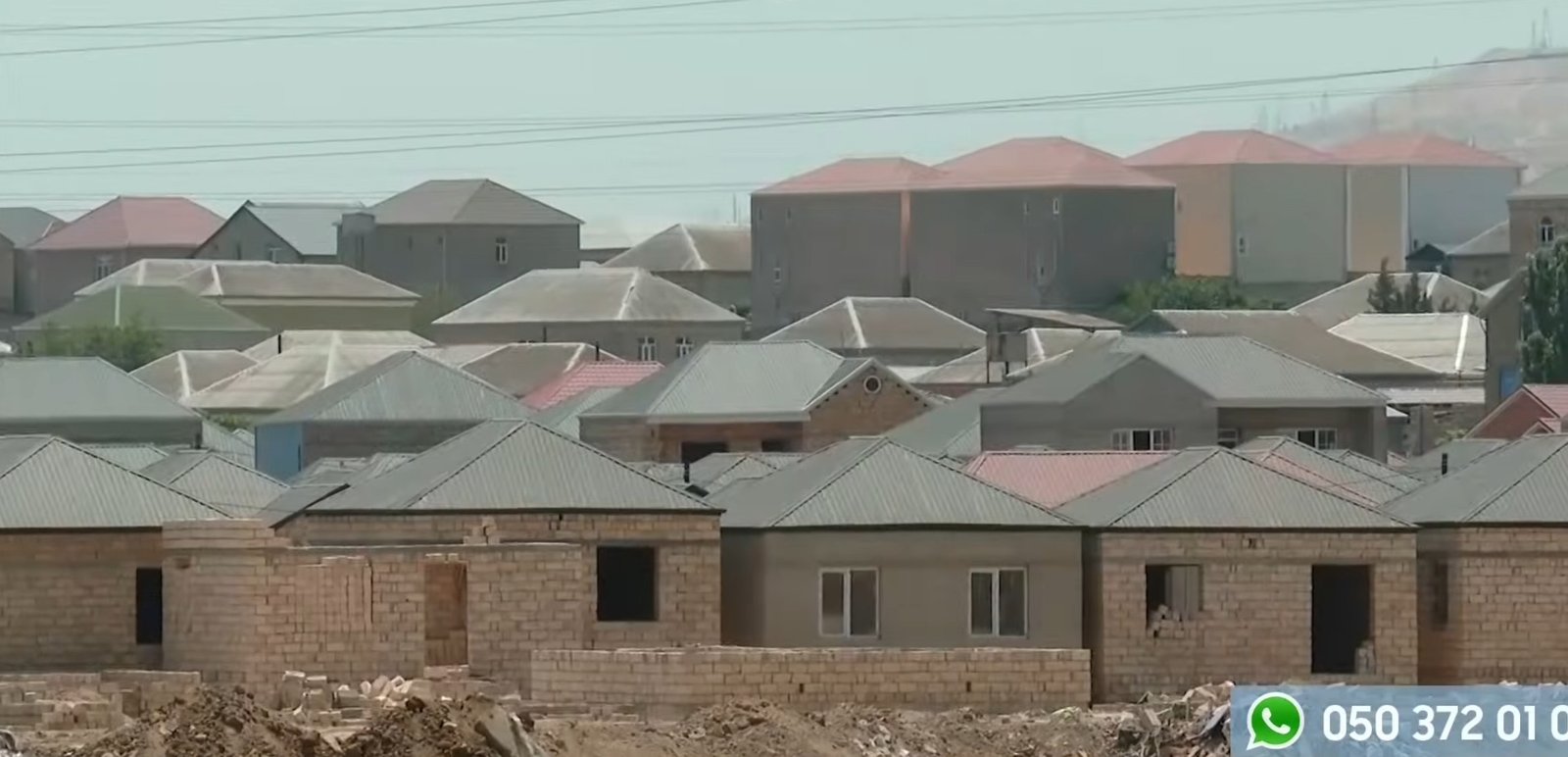
The issue affects a large part of the country’s housing stock. Experts estimate that Azerbaijan may have around 400,000 to 500,000 undocumented, unauthorized or difficult-to-register buildings. A full picture would require a broad inventory of such properties.
The most common problem involves individual houses built on land that was never intended for residential construction. Some buyers are attracted by cheaper plots and begin building without checking whether the land is officially designated for housing. If the plot is classified as agricultural land or has another non-residential purpose, a private house cannot legally be built there.
Lawyers say the key document is the extract from the state register, commonly known as the title deed. Before buying land or starting construction, the buyer must make sure the extract clearly allows the construction of an individual residential house.
If the land designation does not match the intended use, the owner may later be unable to register the house, obtain a title deed or connect it to utilities such as electricity, gas and water. Selling such a property can also become difficult, especially once the legal problem becomes clear to future buyers.
Using land for a purpose other than its official designation can bring administrative fines. Individuals may be fined up to 600 manats, officials from 1,500 to 2,000 manats, and legal entities up to 5000 manats.
But the risks do not end there. Under Article 188 of Azerbaijan’s Criminal Code, unauthorized construction or installation works may result in restriction of liberty or imprisonment for one to three years.
The punishment is tougher if the illegal construction is carried out on agricultural land. In that case, a person may face three to five years in prison.
Lawyers also point to an important distinction: these criminal penalties apply to buildings whose construction began after May 30, 2023. For undocumented private houses built before that date, demolition can only be carried out on the basis of a court decision and through the relevant state authorities.
That means an old undocumented house cannot simply be demolished by an official order on the spot. Still, owners may face a long and costly legal process if the land status is disputed or if state bodies seek demolition through the courts.
The warning is simple but serious: a cheap plot can turn into an expensive mistake. Without the right land designation, a house may remain outside the legal system - without documents, without utilities and without real protection in a court dispute.
AZE.US