AZE.US
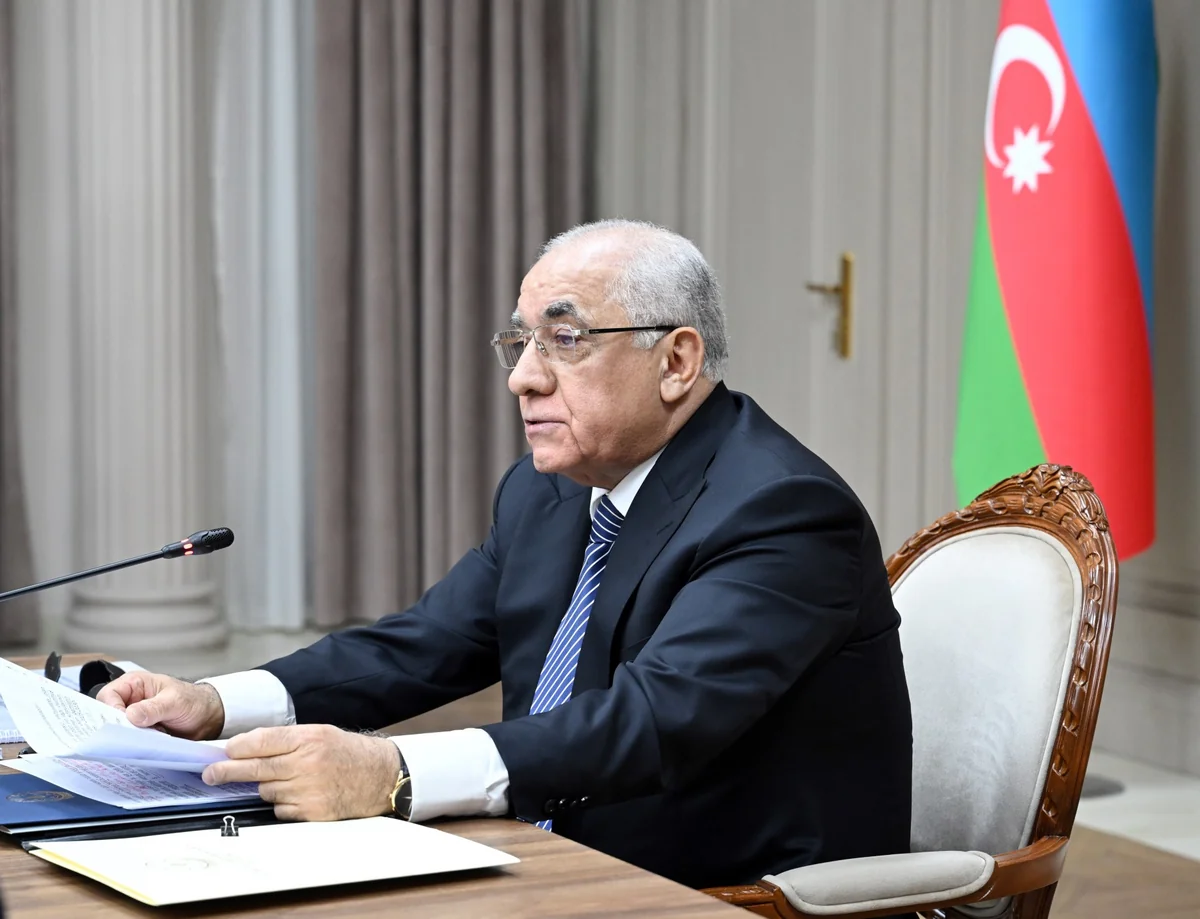
Azerbaijani opposition politician Sardar Jalaloglu has said the controversy surrounding reported property and assets linked to Prime Minister Ali Asadov raises a broader question about the way power, accountability and law enforcement function in Azerbaijan.
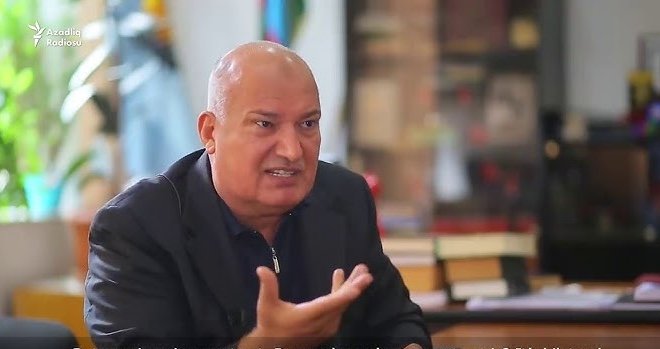
Speaking on the Bax Da youtube channel, Jalaloglu said the issue should not be reduced to one official or one list of alleged assets. In his view, the central question is how such wealth could allegedly be accumulated by senior officials while state oversight bodies, prosecutors and other institutions remained silent.
Jalaloglu said that if the published reports about Asadov’s assets are accurate, the authorities should investigate the origin of the property. If the reports are false, he added, legal steps should be taken against those who spread them. But the absence of a visible official response, he argued, reflects a larger problem.
“There is no fight against corruption in Azerbaijan. There is a fight against those who fight corruption,” Jalaloglu said.
He claimed that large-scale corruption cannot exist for years without networks of protection, silence and complicity. According to him, the appearance of such information in the media often suggests not a transparent anti-corruption process, but internal struggles among groups inside the system.
Jalaloglu also questioned why alleged information about senior officials’ wealth becomes public only at certain political moments. He said that if state bodies were functioning properly, questions about income, property and official responsibility would be addressed routinely, not only after media leaks or internal conflicts.
The politician said the problem is not only Asadov himself, but “the system that allowed this.”
He argued that law in Azerbaijan does not work automatically and that enforcement often depends on signals from above rather than legal obligation.
Jalaloglu linked the issue to wider public frustration over inequality. He pointed to ordinary citizens living on monthly salaries of 450 to 500 manats while reports about large properties, businesses and assets tied to officials continue to appear in the public sphere.
He said such contrasts damage public trust and weaken the state. When citizens see major corruption allegations treated softly or selectively, while ordinary people face strict penalties for smaller violations, the law begins to look less like a tool of justice and more like an instrument of pressure.
Jalaloglu also said corruption has direct economic consequences. He connected it to weak regional development, job shortages, monopolies, ineffective subsidies and the decline of rural areas. In his view, official claims about regional development mean little if people do not have jobs, income or a real chance to build a normal life outside Baku.
He said real development should be measured by people’s living standards, not by renovated administrative buildings, parks or formal infrastructure projects. Without employment and income, he argued, such projects do not solve the deeper social and economic problems facing the country.
Jalaloglu said the system of appointments is another part of the problem. He claimed that loyalty, family ties and political obedience often matter more than professionalism or public service.
Until the law applies equally to everyone, he said, corruption scandals will continue to look less like a fight for justice and more like a struggle among rival groups within power.
AZE.US