After Munich, One Thing Became Clear: Europe Will Have To Defend Itself

Aze.US The latest Munich Security Conference underscored a turning point for Europe: the post-World War II security model built around U.S. guarantees is weakening, forcing European states-led by Germany-to reconsider their own military responsibility and strategic autonomy. For decades, Europe’s stability rested on a simple assumption: the United States would remain the ultimate security guarantor … Read more
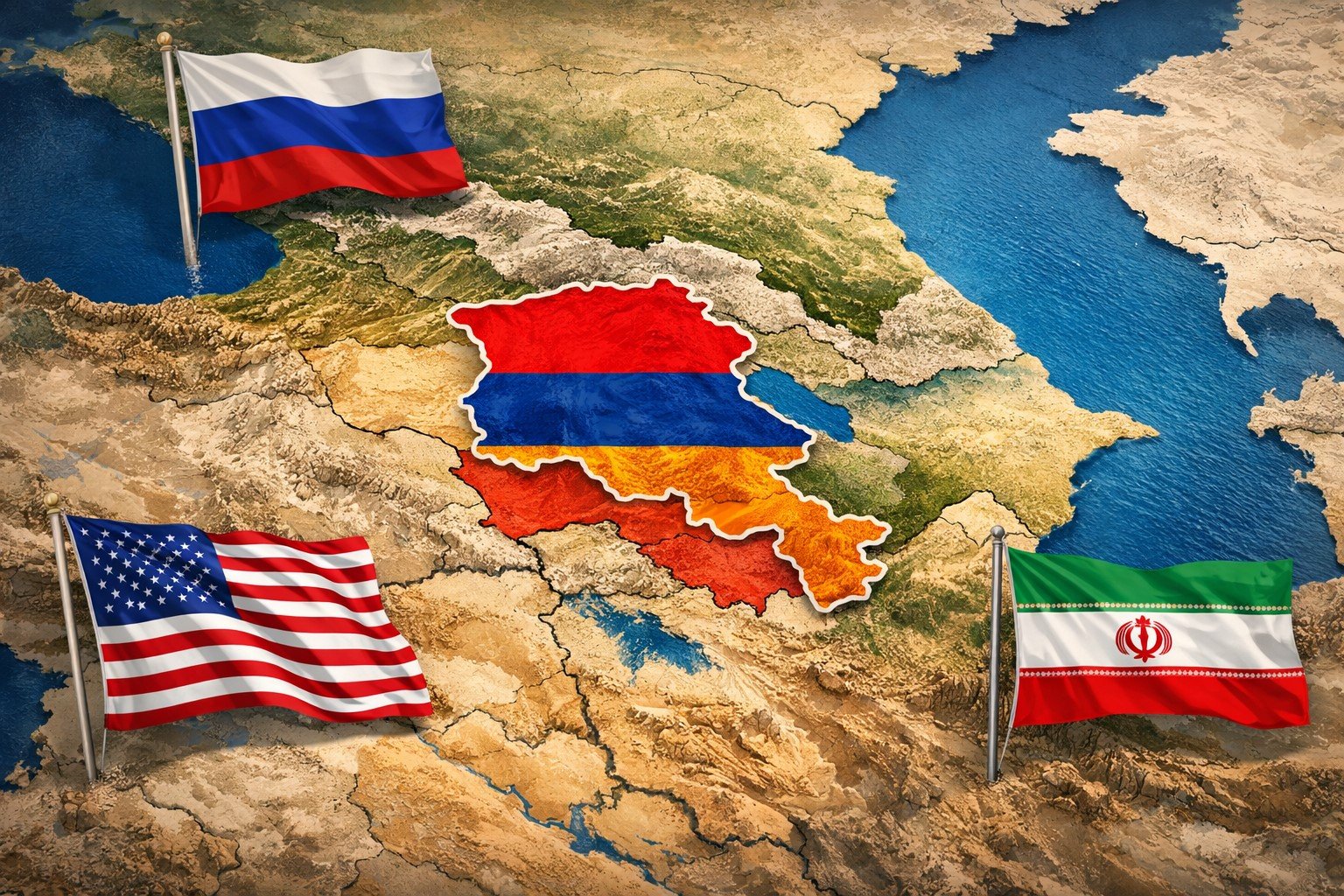

Armenia’s Strategic Shift Raises Risks as Yerevan Moves to Reduce Reliance on Russia

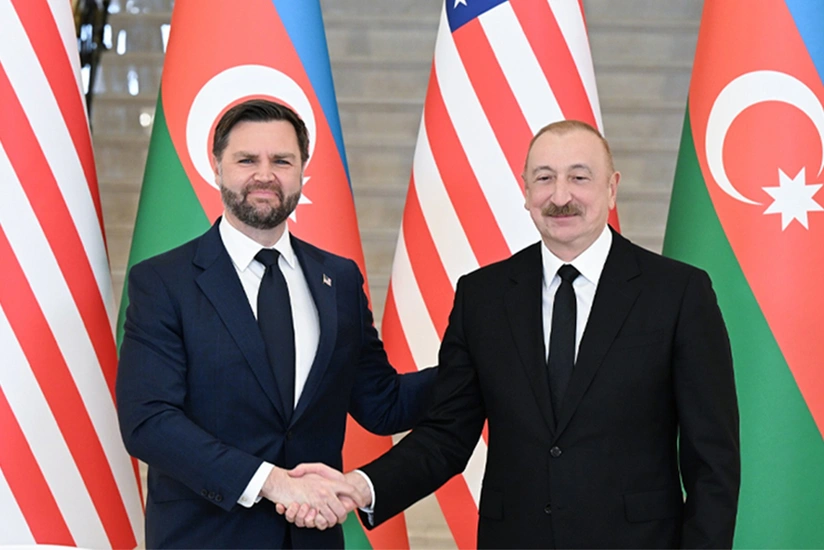
Aze.US Armenia’s deepening engagement with the United States is evolving from diplomatic outreach into a potential strategic realignment, a shift that could reshape power dynamics in the South Caucasus while exposing Yerevan to significant political and economic risks. During the recent visit of the U.S. vice president to Yerevan, the sides discussed large-scale cooperation in … Read more

After Munich, No Real Normalization Seen Between Russia and Azerbaijan

Aze.US Tensions between Moscow and Baku remain unresolved despite recent diplomatic contacts, Ukrainian political analyst Vitaliy Portnikov said, pointing to continued disputes linked to the war in Ukraine and attacks affecting Azerbaijani interests. Speaking after the Munich Security Conference, Portnikov noted that Azerbaijani President Ilham Aliyev publicly rejected the idea that repeated shelling incidents targeting … Read more

Russia Is Losing the South Caucasus

Aze.US Recent diplomatic activity surrounding Azerbaijan and Armenia suggests a structural shift in the balance of power in the South Caucasus, a region long shaped by Russian influence. The United States has moved to deepen engagement with both countries, announcing a strategic partnership with Azerbaijan that includes cooperation in security, energy, technology and the protection … Read more

Azerbaijan’s Strategic Role Expands in 2026 as Energy, Transit Corridors and Security Converge

Aze.US Azerbaijan’s regional position is increasingly defined not only by energy exports but also by its expanding role in transport connectivity, logistics corridors and geopolitical stability across the South Caucasus in 2026. For much of the past three decades, the country’s global relevance rested primarily on hydrocarbons. Today, however, infrastructure routes linking the Caspian basin … Read more

Iran Faces Slow Internal Shift Rather Than Sudden Collapse

Aze.US Rising pressure on Iran’s economy and political system is fueling renewed debate about the country’s future. Yet current trends point less to an imminent collapse than to a gradual internal transformation shaped by sanctions, regional tensions, and elite power dynamics. Iran is confronting overlapping structural challenges. International sanctions continue to restrict access to global … Read more

Can Azerbaijan Really Make Global Platforms Pay?

Aze.US A proposed digital tax reform aims to bring foreign online service providers into Azerbaijan’s VAT system. The real question is not legal design – but enforcement. Azerbaijan’s plan to require foreign digital service providers to register for tax and pay value-added tax on local sales reflects a broader global shift: governments are increasingly determined … Read more

The South Caucasus Between Negative And Positive Peace: The Economic Architecture Of Transition

By Leyla Mammadli for Aze.US The South Caucasus has entered a post-war phase. Yet this phase cannot fully be described as peace; rather, it represents a transition toward peace. The end of active conflict does not automatically produce stability. As Johan Galtung distinguished, the cessation of violence constitutes “negative peace,” while durable institutions, economic interdependence, … Read more

Russia Is Losing Its Periphery While the War Drags On

Aze.US Nearly four years after the start of the war in Ukraine, the strategic question is no longer what Moscow hoped to gain, but what it has already lost. The answer is becoming increasingly clear: beyond battlefield costs, Russia is steadily losing influence across the geopolitical space that once formed its uncontested periphery. The South … Read more

After the Wars: Why the South Caucasus Is Entering a Structural Transition

Aze.US Recent U.S. diplomatic engagement in the South Caucasus is often interpreted through the narrow lens of individual visits or short-term regional crises. A more durable reading suggests something different: the region is entering a structural transition shaped by the erosion of post-Soviet security arrangements and the gradual emergence of connectivity-driven geopolitics across Eurasia. For … Read more